A Crisis Beneath the Waves: Unprecedented Coral Bleaching Threatens Marine Ecosystems
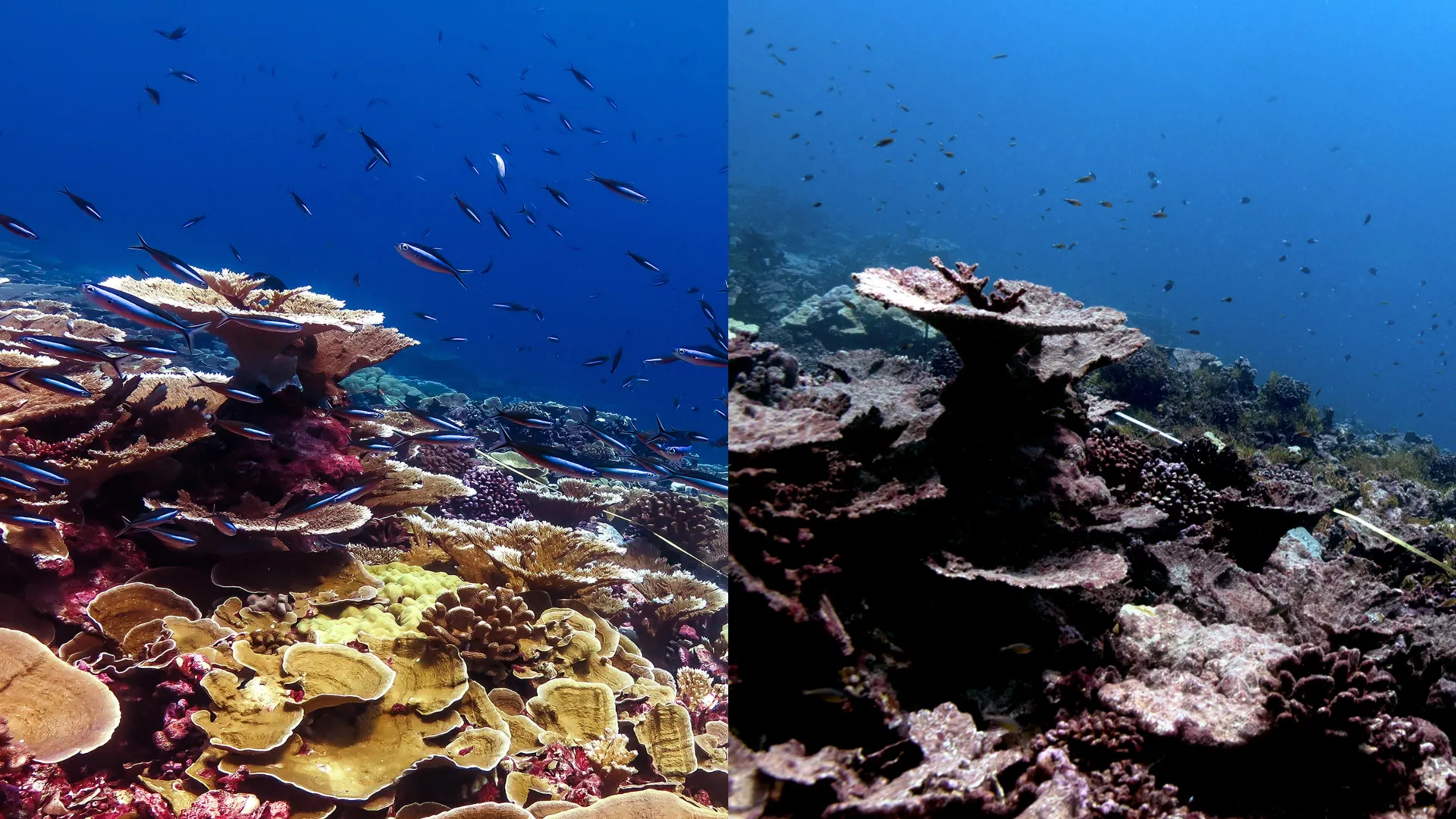
Recent research has unveiled alarming data concerning the health of the world’s coral reefs, revealing that over 50% of these vital ecosystems suffered from significant bleaching during the global marine heatwave that spanned from 2014 to 2017. This extensive study highlights the critical state of coral reefs, which are not only breathtaking underwater gardens but also essential to the health of marine biodiversity and coastal economies. The implications of this bleaching event are profound, impacting marine life, local communities, and even global economies that rely on coral reef ecosystems.
Coral reefs contribute an estimated $9.8 trillion annually to humanity through various services they provide. These include supporting fisheries, protecting coastlines from erosion, and attracting tourists. The staggering economic value underscores the importance of preserving these ecosystems, yet the recent findings paint a grim picture. The research, which involved a collaborative effort from scientists around the globe, documented that the 2014-2017 marine heatwave led to one of the most severe coral bleaching events in recorded history, with many reefs experiencing extensive mortality rates.
Bleaching occurs when corals, which have a symbiotic relationship with colorful algae known as zooxanthellae, expel these algae due to stress factors such as elevated water temperatures. This loss not only strips corals of their vibrant colors but also diminishes their capacity to obtain nutrients, leading to weakened structures and increased susceptibility to diseases. The 2014-2017 marine heatwave raised sea temperatures by an average of 1°C above normal, pushing many coral species beyond their thermal tolerance limits. The long-term consequences of such events can be devastating, as they can lead to shifts in species composition and a decline in the overall health of marine ecosystems.
The impact of coral bleaching extends beyond the immediate effects on coral health. Local fishermen, who depend on healthy reefs for their livelihoods, face significant challenges as fish populations decline due to habitat loss. Coastal communities that rely on tourism, particularly those that attract snorkelers and divers, are also at risk as bleached reefs become less appealing to visitors. The economic ripple effects could lead to job losses and increased poverty in regions where alternative livelihoods are limited. The findings of this study serve as a clarion call for urgent action to address the underlying causes of climate change, which are driving these marine heatwaves and, subsequently, coral bleaching.
Efforts to mitigate coral bleaching are underway, with scientists exploring various strategies to enhance the resilience of coral reefs. One promising approach involves breeding more resilient coral species that can withstand higher temperatures and other stressors. Additionally, establishing marine protected areas can help safeguard vulnerable reefs from overfishing and pollution, allowing ecosystems to recover more effectively. However, these measures must be complemented by global action on climate change, including reducing greenhouse gas emissions and implementing sustainable practices to protect marine environments.
The urgency of the situation cannot be overstated. With ongoing climate change, more frequent and severe marine heatwaves are expected, posing an increasing threat to coral reefs worldwide. Collaborative efforts between governments, scientists, and local communities are essential to reversing the trend of reef degradation. Public awareness and education play a critical role in fostering stewardship of these ecosystems. By informing the public about the value of coral reefs and the threats they face, we can inspire collective action to protect these irreplaceable natural wonders. The future of coral reefs hangs in the balance, and it is imperative that we act now to safeguard their existence for generations to come.