Access Gaps in Recycling: A Deep Dive into America's Plastic Waste Crisis
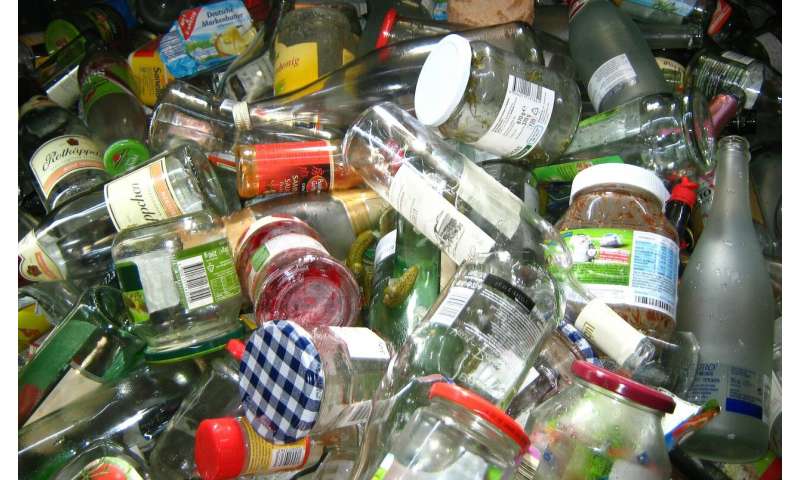
Research from the University at Buffalo has unveiled a startling reality about plastic waste management in the United States. The study reveals a consistent trend: Americans produce similar quantities of plastic packaging waste regardless of their income, education level, or geographic location. This finding raises critical questions about the efficacy of recycling efforts across different communities, particularly as disparities in recycling practices become evident. Wealthier neighborhoods and those with higher education levels tend to recycle a greater proportion of their plastic waste compared to their less affluent counterparts. This inequality highlights a significant issue in the nation's approach to sustainability and waste management.
The fundamental question emerging from this research is why access to recycling facilities and programs is so uneven across various communities. The study emphasizes that the lack of access to effective recycling infrastructure plays a pivotal role in shaping recycling behaviors. For instance, individuals living in affluent areas often benefit from well-established recycling programs, which include convenient drop-off locations, curbside collection services, and comprehensive educational resources about what materials can be recycled. In contrast, many lower-income neighborhoods frequently lack these essential services, leading to lower recycling rates and, consequently, higher levels of plastic waste ending up in landfills.
Examining the complexities of plastic waste management reveals a broader narrative about social equity and environmental justice. The inequitable distribution of recycling resources not only affects waste management practices but also underscores larger systemic issues. Communities that are already marginalized often bear the brunt of environmental burdens, including increased exposure to pollution and fewer opportunities for sustainable practices. This disproportionate impact on lower-income and less-educated populations points to a critical need for policy reform aimed at creating a more equitable recycling landscape.
Expanding access to recycling facilities is not merely a logistical challenge; it also requires a cultural shift in how waste is perceived and managed in communities. Educational initiatives can empower residents to engage in recycling practices, but they must be supported by accessible infrastructure. For example, cities and towns can explore partnerships with private recycling companies to expand services in underserved areas. Furthermore, local governments could consider implementing incentives for businesses that contribute to community recycling efforts, thereby fostering a culture of sustainability that permeates all socioeconomic strata.
The significance of increasing recycling rates goes beyond mere waste reduction; it has profound implications for environmental health and resource conservation. Plastic waste is a pervasive issue that threatens marine life, clogs waterways, and contributes to global pollution. By improving recycling access and education, communities can reduce their plastic footprint, conserve valuable resources, and mitigate harmful environmental impacts. The findings from the University at Buffalo study should serve as a clarion call for stakeholders at all levels, government, industry, and community organizations, to address these access disparities and work towards a more sustainable future.
As the conversation around plastic waste continues to evolve, it is essential for individuals, policymakers, and businesses to recognize the interconnected nature of recycling practices and social equity. Solutions must be multifaceted, addressing both the logistical barriers to recycling and the need for comprehensive education about waste management. By fostering a more inclusive recycling culture and ensuring equitable access to resources, the United States can take significant strides towards combating plastic waste. As communities rally for environmental justice, the insights from this study could ultimately lead to a more effective and fair recycling system, benefiting both the planet and its people.