Alarming Retreat: Antarctica’s Hektoria Glacier Experiences Unprecedented Collapse
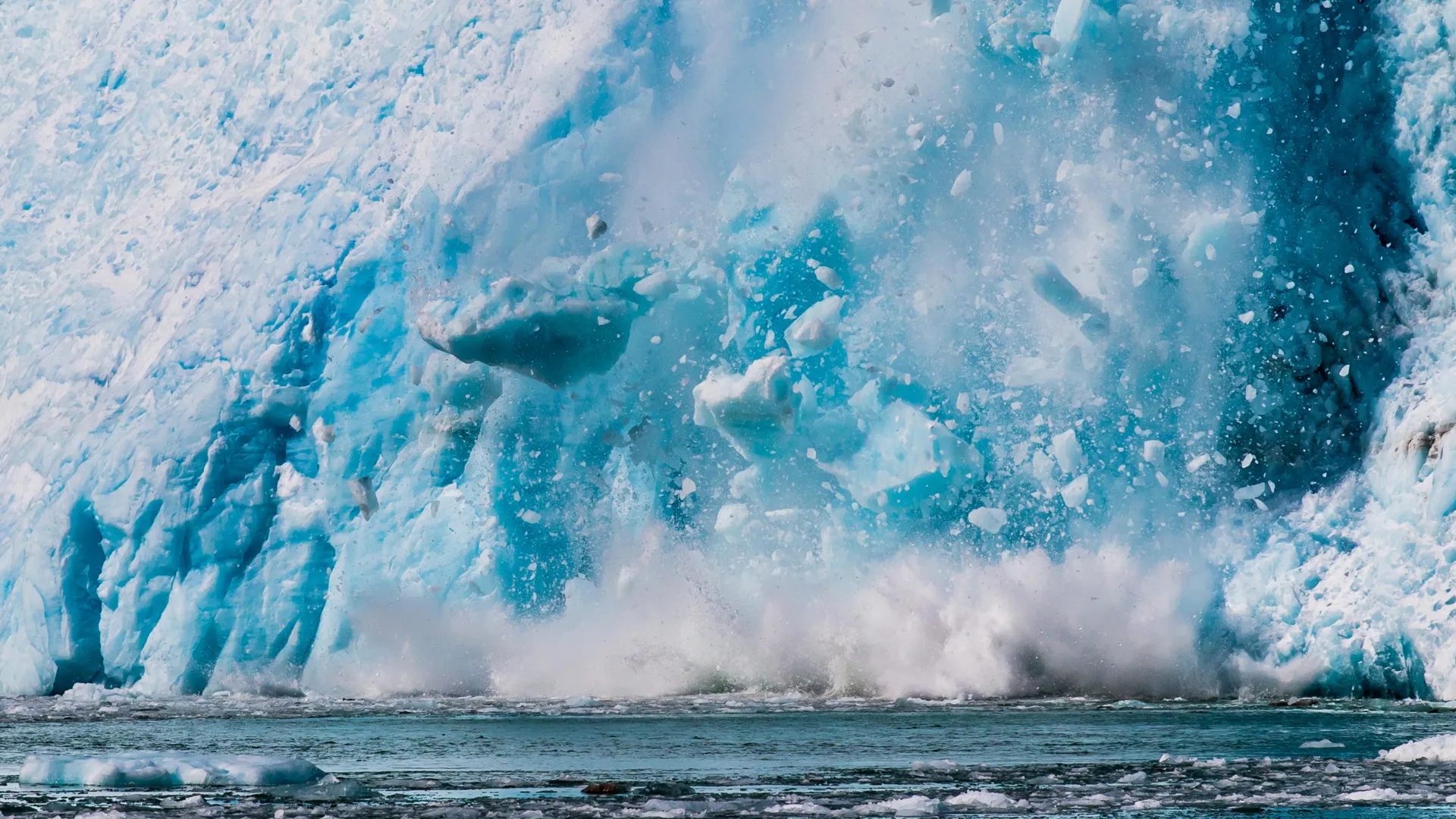
The Hektoria Glacier in Antarctica has made headlines for a staggering retreat of eight kilometers over a mere two-month period, marking an unprecedented event in glaciology. This rapid disintegration, which saw nearly half of the glacier collapse almost instantaneously, has sent shockwaves through the scientific community. Researchers have long been aware of the vulnerabilities of Antarctic glaciers, but the speed at which Hektoria has receded has raised alarm bells about the potential future of other glaciers in the region and their contributions to global sea-level rise.
Glaciers are dynamic systems, constantly influenced by a combination of atmospheric changes and the underlying geology. In the case of Hektoria, its collapse has been attributed to the unique topographical features of the underlying bedrock. Scientists discovered that a flat, underwater bedrock surface allowed the glacier to float more freely than anticipated. When a glacier floats, it can become more susceptible to fractures and breakage due to the stresses exerted by both gravitational forces and the weight of the ice itself. The observation of the glacier's rapid retreat was made possible through advanced satellite imagery and seismic data, which provided real-time insights into the glacier's behavior and movements.
The implications of such a swift glacier collapse extend far beyond the immediate area. Antarctica is home to some of the largest ice reserves on Earth, and the stability of these glaciers is crucial for maintaining global sea levels. The Hektoria Glacier's rapid disintegration serves as a stark reminder of the potential for other massive ice formations to follow suit. Scientists fear that if similar collapses occur in larger glaciers, the consequences for coastal cities worldwide could be catastrophic. Even small changes in global sea levels can lead to increased flooding, erosion, and habitat loss, particularly in low-lying areas.
Furthermore, the data collected during this event enhances our understanding of glacial dynamics under climate change. As global temperatures continue to rise, the melting of glaciers accelerates, leading to a more complex interplay between ice, ocean, and atmospheric conditions. The Hektoria Glacier’s retreat highlights the urgent need for climate scientists to refine their models of ice dynamics so they can better predict future changes. Understanding how such glaciers respond to climate variations is essential for developing effective strategies to mitigate the effects of climate change on global sea levels.
The response from the scientific community has been one of cautious urgency. Researchers are now focused on monitoring the situation closely, not only for Hektoria but for other glaciers in the region that may exhibit similar vulnerabilities. Continuous observation through satellite technology and field studies will be critical in determining the broader implications of this event. The data may also provide insights into the processes that govern glacier stability and collapse, potentially aiding in the development of predictive models that can better assess the risks posed by climate change.
In light of the Hektoria Glacier’s dramatic collapse, there is an increasing call for global action to address climate change. As the evidence mounts regarding the impacts of rising temperatures on polar ice, it becomes increasingly clear that significant policy changes are needed to curb greenhouse gas emissions and slow the pace of climate change. The events in Antarctica serve as a stark warning that the time for action is now, as the repercussions of inaction will be felt for generations to come. Scientists and policymakers alike must work collaboratively to ensure that we are prepared for the challenges that lie ahead, as the fate of glaciers like Hektoria will undoubtedly shape the future of our planet.