Alaska's Arctic: The Dawn of a New Era in Wildfire Activity
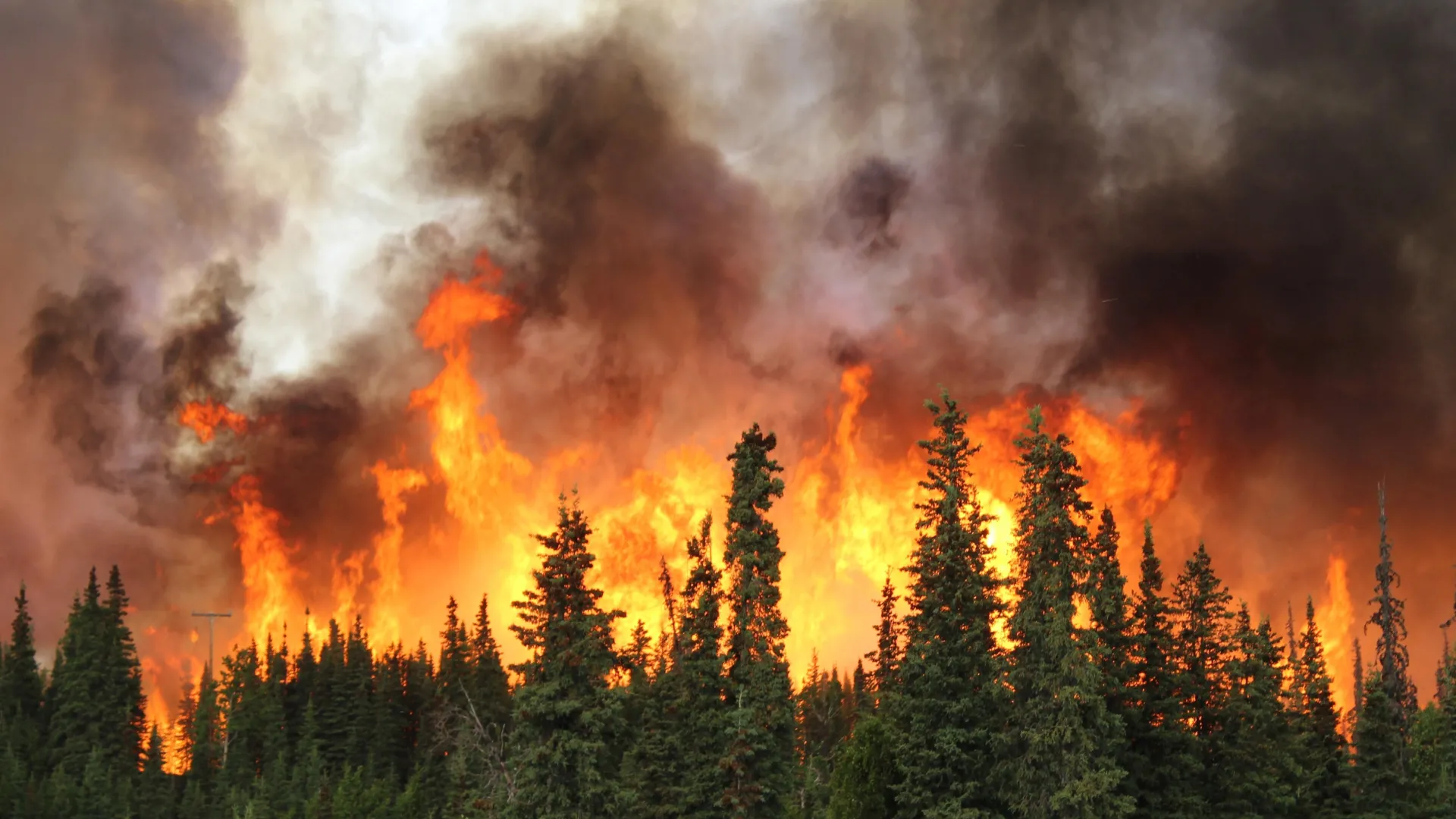
Wildfires have historically been a rare occurrence in the frigid expanse of Alaska's North Slope. The region, with its extreme cold and frozen tundra, has long been insulated from the types of wildfires that devastate more temperate ecosystems. However, this stability is being shattered as climate change continues to transform the Arctic landscape. Recent research indicates that Alaska’s Arctic is on the brink of a significant shift, entering what experts are calling a new and perilous era of wildfire activity. This alarming trend is underscored by data showing that fire activity has surged to unprecedented levels over the last 70 years, with implications that extend far beyond the immediate region.
The roots of this fire phenomenon can be traced back to the mid-20th century when rising temperatures began to alter the delicate balance of this Arctic ecosystem. Thawing permafrost and drier soils have created an environment where vegetation, particularly shrubs, can thrive. These changes have set the stage for fires to ignite more easily and spread rapidly across the landscape. Scientists studying peat cores and employing satellite imagery have revealed a stark increase in wildfire frequency and intensity since the 1950s, suggesting that the Arctic is not merely experiencing temporary fluctuations but is entering a new climate regime.
The significance of these findings is profound. Wildfires in the Arctic do not only pose immediate threats to local wildlife and communities; they also release substantial amounts of carbon dioxide and methane, potent greenhouse gases that exacerbate global warming. The carbon stored in Arctic soils and peatlands has long been considered a buffer against climate change. However, as wildfires become more frequent, this carbon is released back into the atmosphere, creating a feedback loop that accelerates warming. This cycle raises critical concerns about the future of our planet’s climate and the potential for tipping points that could lead to irreversible changes in the Earth’s systems.
In addition to contributing to global climate change, increased wildfire activity in Alaska’s Arctic threatens local ecosystems and Indigenous communities. The traditional ways of life for many Native Alaskan groups are closely tied to the land and its resources. As wildfires destroy habitats and alter landscapes, these communities face challenges to their food security and cultural practices. The smoke from these fires can also impact air quality, leading to health issues for those living in proximity to the flames. This intersection of environmental change and socio-economic challenges illustrates the complex realities faced by people in the Arctic as they navigate this new fire era.
The scientific community continues to monitor and study these changes closely, as understanding the dynamics of fire in the Arctic is crucial for predicting future trends. Researchers emphasize the importance of integrating local knowledge and scientific inquiry to develop effective response strategies. As climate change continues to unfold, the need for adaptive management practices becomes increasingly pressing. Strategies that include controlled burns, habitat restoration, and community engagement are essential to mitigate the impacts of wildfires while fostering resilience in both ecosystems and human populations.
Efforts to address the emerging wildfire crisis in Alaska’s Arctic are not just a local concern but a global imperative. The effects of climate change and increased fire activity are interlinked, affecting weather patterns, sea level rise, and biodiversity worldwide. As nations grapple with the consequences of a warming planet, the situation in Arctic Alaska serves as a stark reminder of the urgent need for climate action. The world must confront these challenges head-on, recognizing that the fires of the Arctic could very well illuminate the path forward for global climate policy. The stakes have never been higher, and the time to act is now.