Alaska's Coastal Ice: A Vanishing Shield Against Climate Change
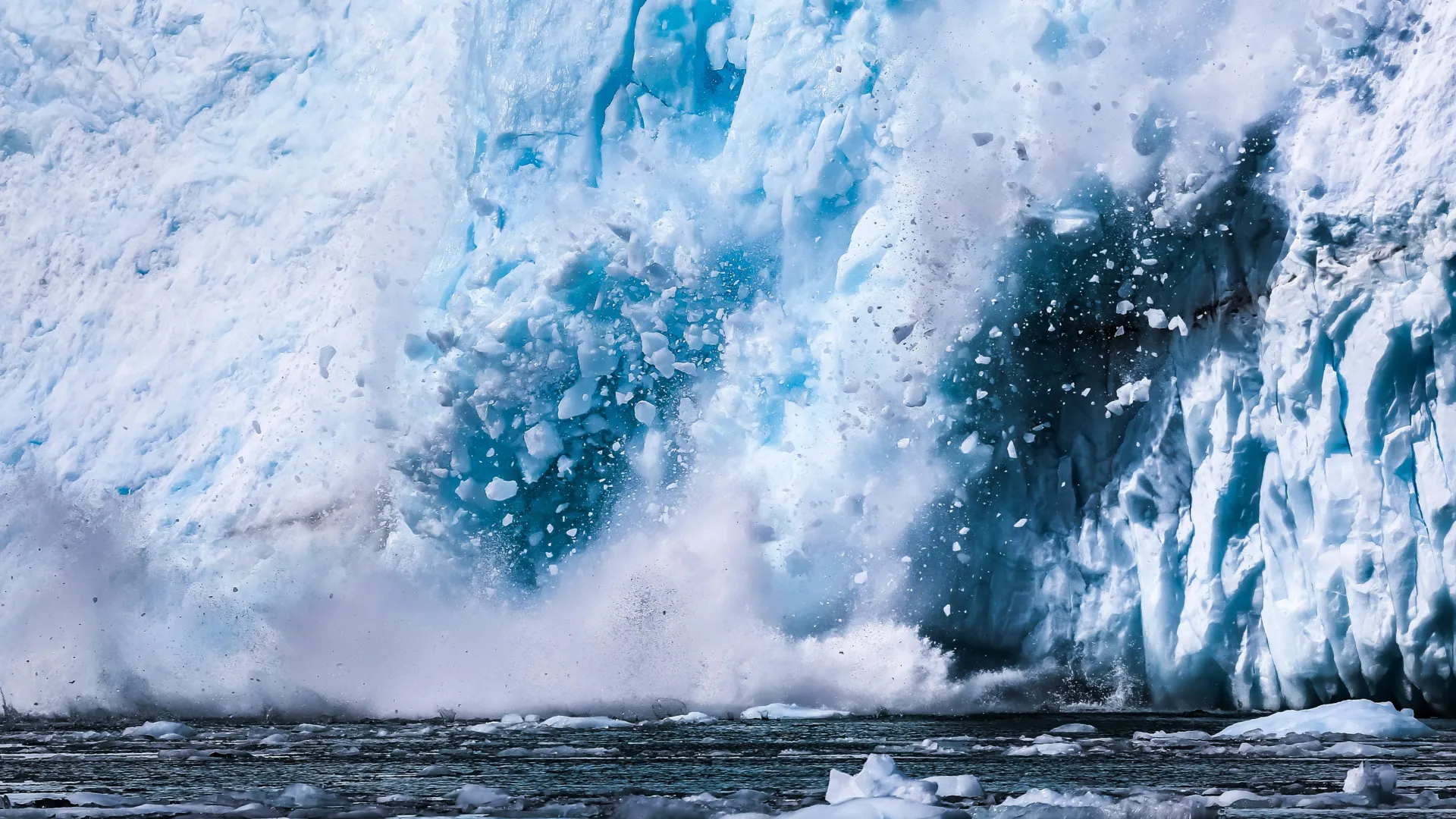
Recent observations reveal an alarming trend along Alaska’s coast, where stable sea ice is retreating at an unprecedented rate. Over the past few decades, the duration of the ice season has contracted significantly, with formations occurring later in the fall and break-up happening earlier in the spring. This phenomenon is particularly evident in the Beaufort Sea, an area that has historically maintained a stable ice cover. The implications of this rapid decline extend far beyond the icy surface, affecting local communities who rely on these seasonal changes for their survival, economic stability, and cultural practices.
The shrinking ice season poses immediate challenges for indigenous communities, whose traditional lifestyles are intricately tied to the rhythms of the Arctic environment. Hunting, fishing, and travel across the ice have become increasingly hazardous as the ice becomes thinner and more unstable. For instance, hunters who once relied on solid ice for safe passage are now facing the threat of open water or weakened ice, which increases the risk of accidents. This not only endangers lives but also disrupts the cultural practices that have been passed down through generations, as families struggle to adapt to new and unpredictable conditions.
Scientific research highlights that the retreat of sea ice is a direct consequence of climate change, driven primarily by rising global temperatures. The Arctic region is warming at approximately twice the rate of the rest of the planet, leading to a cascade of environmental changes. The loss of sea ice not only alters local ecosystems but also has wider implications for global weather patterns. Sea ice acts as a reflective barrier, helping to cool the ocean and maintain climate stability. As it diminishes, darker ocean waters absorb more sunlight, exacerbating warming trends and contributing to further ice loss in a feedback loop that scientists are continuing to study.
One of the critical aspects of this issue is the impact on coastal erosion. As the protective ice buffer disappears, coastal regions become more vulnerable to the forces of wind and waves, leading to increased erosion rates. This phenomenon threatens infrastructure, homes, and the very land that communities have occupied for centuries. The U.S. Army Corps of Engineers has reported that some coastal towns are at risk of being washed away entirely if action is not taken to address these challenges. This represents not only a loss of land but also a loss of heritage, as communities face the possibility of relocation.
Additionally, the ecological ramifications of vanishing ice are profound. Marine species that depend on stable ice environments for breeding and feeding are facing uncertain futures. For example, species such as seals and polar bears rely on sea ice for hunting and resting. The decline of these species could disrupt entire food webs, affecting everything from local fisheries to the health of marine ecosystems. As scientists continue to monitor these changes, they emphasize the need for proactive measures to protect both the environment and the communities that depend on it.
The situation in Alaska serves as a microcosm of broader global climate challenges. The rapid changes observed in the Arctic are indicative of what many other regions may face as temperatures continue to rise. Addressing these issues requires a multi-faceted approach, combining local knowledge with scientific research to develop sustainable strategies for adaptation. As policymakers and community leaders come together to confront these challenges, the urgency of the situation cannot be overstated. The time for action is now, as the fate of both the ice and the communities that depend on it hangs in the balance.