Ancient Carbon Unleashed: The Hidden Dangers of Congo Basin Blackwater Lakes
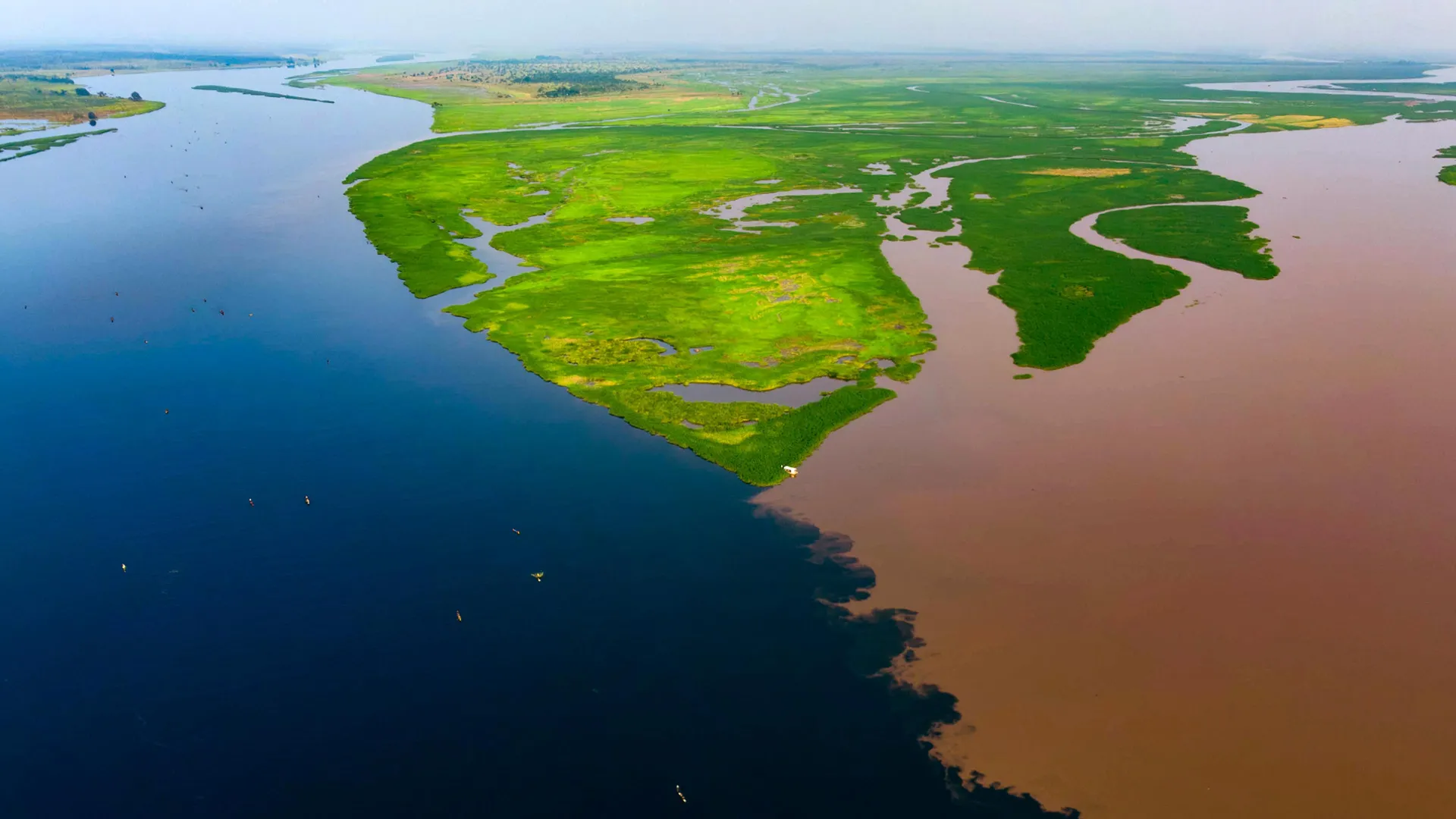
Deep in the heart of Africa lies the Congo Basin, a region renowned for its rich biodiversity and dense rainforests. However, beneath the surface of this ecological treasure trove, vast peatlands serve as ancient carbon reservoirs that have been accumulating carbon for thousands of years. Recent research has revealed alarming findings regarding these blackwater lakes, indicating that they may be releasing substantial amounts of carbon dioxide into the atmosphere. This phenomenon could have significant implications for global climate change and biodiversity conservation, as it underscores the fragile balance of these ecosystems and their role in the Earth’s carbon cycle.
The Congo Basin is home to some of the largest peatlands on the planet, which are formed by the accumulation of partially decayed plant material in waterlogged conditions. These peatlands act as carbon sinks, storing carbon that would otherwise contribute to the greenhouse gas effect and climate change. However, the study of Africa's largest blackwater lakes has brought to light a concerning issue. Researchers have discovered that these lakes are not only releasing carbon derived from recent vegetation but are also unearthing ancient carbon that has been sequestered in the peat for millennia. This release poses a double threat to efforts aimed at mitigating climate change, as it adds to the carbon already emitted from human activities.
The process through which this ancient carbon is liberated from the peatlands involves various ecological and hydrological dynamics. Blackwater lakes, characterized by their dark, tea-colored waters rich in organic matter, are typically low in nutrients. However, changes in hydrology, such as shifts in rainfall patterns or human-induced alterations to the landscape, can disrupt the delicate equilibrium of these ecosystems. When water levels drop or the peat becomes exposed, the stored carbon can be oxidized and released as carbon dioxide or methane, both potent greenhouse gases. The implications of this process are particularly concerning given the ongoing impacts of climate change, which are expected to exacerbate such disturbances.
Understanding the scale of carbon emissions from the Congo Basin’s peatlands is crucial for global climate strategies. The region is estimated to store approximately 30 billion metric tons of carbon, making it a vital component of the Earth’s climate system. If these carbon reserves begin to leak, the consequences could be dire, not just for the local environment but for global climate stability. The cumulative effects of carbon released from these lakes could significantly alter carbon budgets, leading to increased warming and further destabilizing weather patterns worldwide. As nations strive to meet climate targets outlined in agreements like the Paris Accord, the potential for ancient carbon emissions from the Congo Basin must be factored into climate modeling and policy decisions.
The findings emphasize the importance of conserving the Congo Basin’s unique ecosystems as well as the need for comprehensive research to monitor changes in carbon dynamics. Protecting these wetlands and their surrounding environments is essential for maintaining their carbon storage capacity. Sustainable land-use practices, alongside restoration efforts for degraded peatlands, can bolster the resilience of these ecosystems against climate change. Furthermore, international collaboration is necessary to address the challenges posed by these vulnerable regions. Investments in research and conservation initiatives can help mitigate the risks associated with carbon release and ensure that these critical ecosystems continue to function as carbon sinks for generations to come.
As scientists continue to delve into the complexities of the Congo Basin's blackwater lakes, it becomes increasingly evident that the preservation of these ecosystems is crucial for both local biodiversity and global climate health. The release of ancient carbon from peatlands serves as a stark reminder of the interconnectedness of ecosystems and climate systems. It urges policymakers, conservationists, and the global community to pay closer attention to the delicate balance between human activity and natural processes. Addressing the challenges of climate change necessitates a holistic understanding of how carbon cycles through these ecosystems and the potential consequences of disrupting this balance. Only through informed action can we hope to safeguard the Congo Basin and its invaluable contributions to our planet's climate stability.