Ancient Forests Beneath the North Sea: DNA Reveals Doggerland's Surprising Greenery
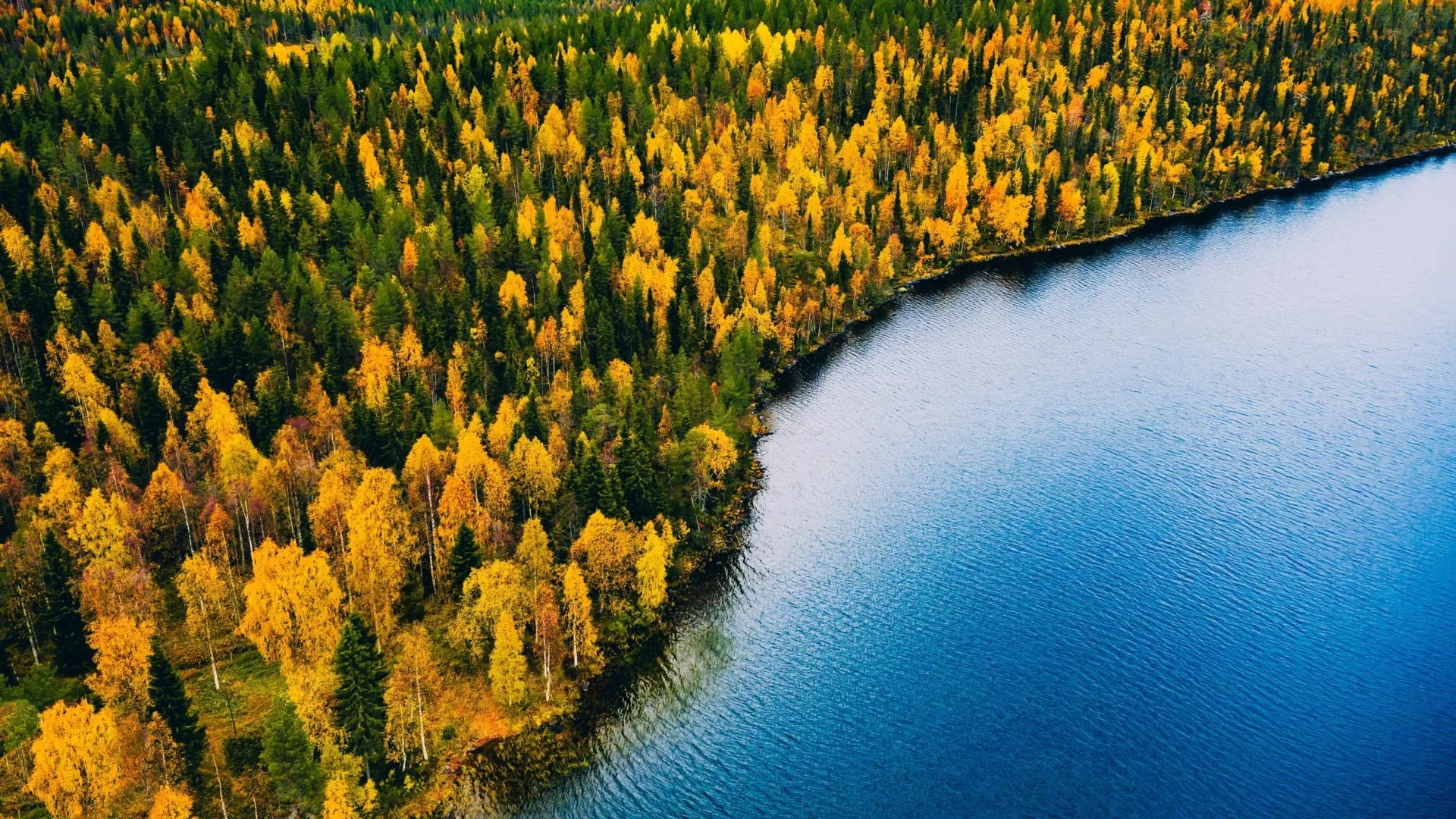
Long before rising seas swallowed the landmass known as Doggerland, this drowned region connecting Britain to continental Europe was home to forests of oak, elm, and hazel that flourished far earlier than scientists had ever imagined. Analysis of ancient DNA preserved in seabed sediments has revealed that these woodlands were already thriving more than 16,000 years ago, pushing back the timeline of post-glacial forest recovery in northern Europe by several thousand years. Even more remarkably, researchers detected traces of a tree species previously believed to have vanished from the region hundreds of thousands of years earlier, suggesting that pockets of ancient biodiversity persisted through the ice ages in ways paleobotanists are only beginning to appreciate.
Doggerland has fascinated archaeologists and earth scientists for decades because it represents a vast, now-submerged landscape that once linked Britain to the rest of Europe during and after the last glacial maximum. When ice sheets reached their greatest extent around 20,000 years ago, enormous volumes of water were locked up on land, lowering global sea levels by as much as 120 meters and exposing what is today the shallow floor of the North Sea. Hunter-gatherer communities moved across this terrain, following herds of deer, hunting seabirds, and gathering wild plants. As the climate warmed and the ice retreated, sea levels rose, and by roughly 8,000 years ago Doggerland had been almost entirely submerged. Its final remnants may have been lost dramatically to a tsunami triggered by a massive underwater landslide along the Norwegian coast.
Extracting genetic material from seabed sediments is a remarkable feat of modern science. Environmental DNA, often shortened to eDNA, refers to small fragments of genetic material that organisms shed into their surroundings through skin cells, pollen, leaves, feces, and other biological debris. When this material settles into layers of mud and is quickly buried, it can be preserved for tens of thousands of years, especially in cold or oxygen-poor conditions. Researchers drill cores into the seabed, carefully preventing contamination, and then extract and sequence the DNA using modern high-throughput technology. By comparing the recovered fragments to reference databases, scientists can identify which species were present in any given layer and reconstruct how local ecosystems changed over time.
The new Doggerland analysis reveals a far more complex and biodiverse landscape than the sparse tundra many scientists had previously envisioned for the immediate post-glacial period. Rather than a slow, gradual recovery of vegetation after the ice retreated, the eDNA record suggests that some tree species may have persisted through glacial periods in small refugia, pockets of relatively mild microclimate where plants could survive despite harsh regional conditions. When warming resumed, these refugia provided a ready source of seeds and pollen, allowing forests to expand quickly into newly opened terrain. The presence of a species thought to have disappeared hundreds of thousands of years ago is particularly striking and will prompt a reassessment of how long trees can persist in marginal environments.
Findings of this kind have major implications for how scientists understand ecosystem resilience in the face of climate change. Modern conservation efforts often focus on preserving large, contiguous areas of habitat, and for good reason, but the Doggerland evidence suggests that small refugia can play an outsized role in maintaining biodiversity during periods of rapid environmental change. As today's ecosystems face the pressures of warming, drought, and shifting seasonal patterns, identifying potential modern refugia and protecting them could prove essential for allowing species to persist and eventually recolonize degraded landscapes. The ancient past offers a powerful case study in how nature navigates severe disruption over thousands of years.
Human history in Doggerland is also enriched by the new research. People who inhabited the region during the Mesolithic period hunted within these forests, harvested plants, fished the rivers that flowed across what is now the seabed, and built seasonal camps near the water's edge. Artifacts occasionally dredged up in fishing nets, including stone tools, carved bone implements, and even human remains, speak to a rich cultural life that has been almost entirely lost to the sea. The genetic evidence of ancient forests helps paleoanthropologists reconstruct what foods were available, what resources shelters were built from, and how communities might have moved seasonally in response to local ecology. Piece by piece, Doggerland is being rebuilt in scientific imagination, a vanished world of oak canopies, winding rivers, and human footprints, now preserved only in DNA fragments locked beneath the North Sea.
Future expeditions plan to recover additional cores from deeper and more extensive areas of the former Doggerland, with the goal of producing a high-resolution map of its vanished ecosystems across tens of thousands of years. Researchers hope to combine genetic data with pollen analysis, microfossil studies, and sedimentary geochemistry to produce an unprecedented picture of a lost European landscape. Underwater surveys using multibeam sonar and autonomous vehicles are identifying ancient river channels, shorelines, and possible human habitation sites that will guide targeted sampling. As these efforts progress, Doggerland is being transformed from a vague concept into a richly detailed prehistoric world, offering insights that touch archaeology, ecology, and climate science all at once.