Ancient Indian Poetry Unveils Surprising Truths About Historical Landscapes
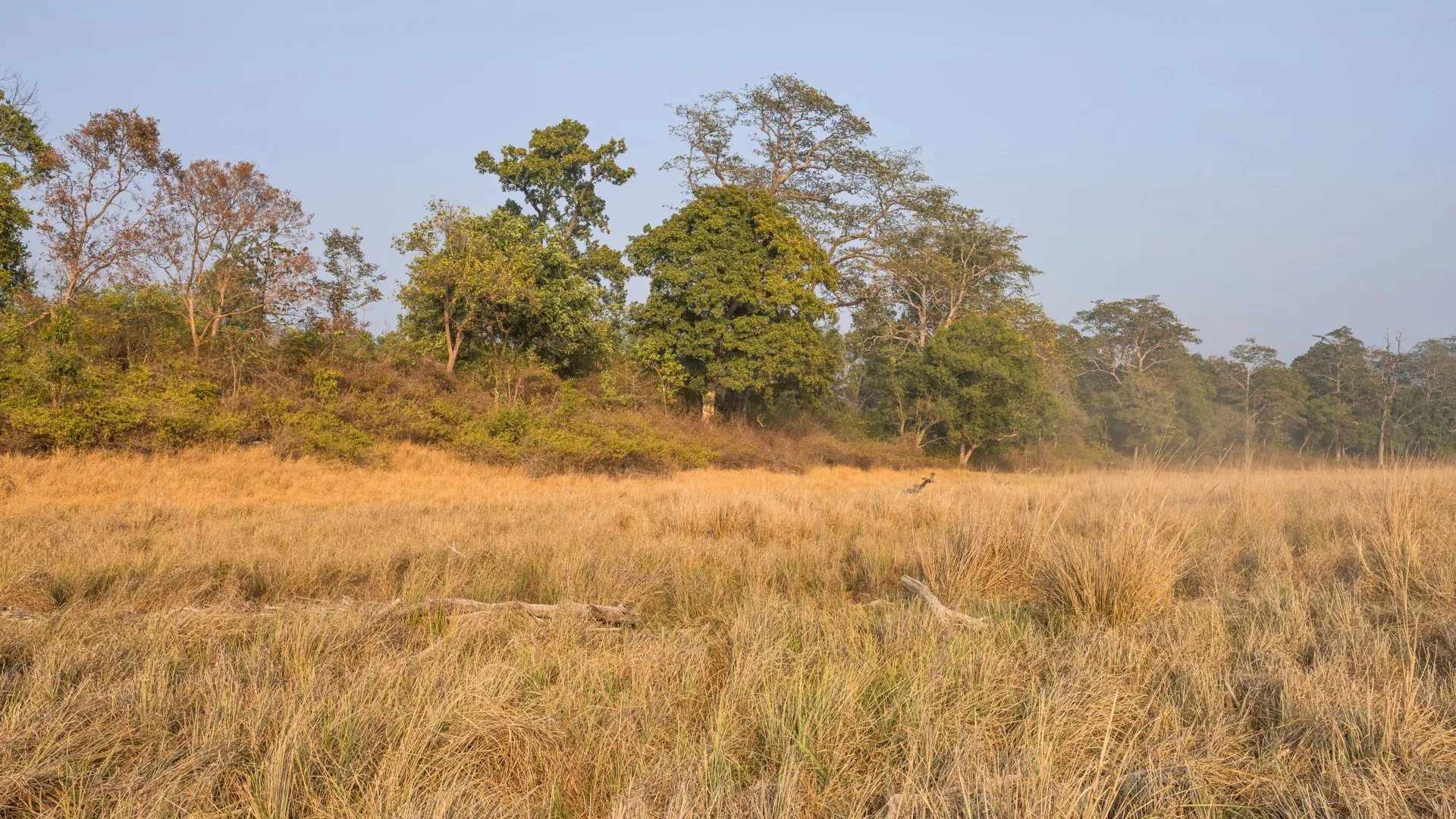
Recent research has illuminated an intriguing intersection between literature and environmental science, revealing that centuries-old Indian poems and folk songs hold valuable insights into the region's ecological history. Scholars have discovered that these poetic descriptions, dating back to the 1200s, portray landscapes characterized by thorny trees and expansive grasslands. This compelling evidence suggests that the savannas of western India are not merely remnants of deforested areas, as previously believed, but rather ancient ecosystems that have thrived for centuries. Such findings not only challenge long-held assumptions about the region's historical biodiversity but also have profound implications for modern conservation strategies.
The texts referenced in this study are part of a rich tapestry of Indian literature, often overlooked by environmental scientists. These poems, composed by various authors over the centuries, vividly depict the flora and fauna that once flourished in the region. Descriptions of thorny acacia trees, open savannas, and the wildlife that inhabited these areas paint a picture that aligns remarkably well with current ecological studies. This alignment indicates that the landscapes chronicled in these ancient works have persisted through time, offering a counter-narrative to the prevailing view that equates historical human activity with widespread environmental degradation.
Understanding these historical landscapes is crucial for effective conservation efforts today. The revelation that these ecosystems are not merely vestiges of forests lost to human expansion prompts a re-evaluation of how conservationists approach land management. Instead of focusing solely on reforestation as a means to restore ecological balance, it may be more beneficial to recognize and preserve the unique characteristics of grassland and savanna ecosystems. This shift in perspective could lead to strategies that prioritize the preservation of native species and ecosystems that have evolved over millennia, fostering a more sustainable interaction between human populations and their environments.
Furthermore, this discovery underscores the importance of integrating different fields of study in environmental research. By combining literary analysis with ecological science, researchers have uncovered a wealth of knowledge that could otherwise remain hidden. This interdisciplinary approach highlights the need for scientists to engage with cultural narratives and historical texts, as they can provide context that enriches our understanding of current environmental conditions. Such collaborations could pave the way for innovative conservation techniques that are informed by both scientific data and cultural heritage.
The implications of this research extend beyond academic circles, touching on broader themes of sustainability and environmental ethics. As the world grapples with climate change and biodiversity loss, understanding the historical context of ecosystems can empower communities to engage in more meaningful conservation practices. By recognizing the value of ancient landscapes and their enduring legacy, societies can work towards a more equitable relationship with nature. This not only helps to preserve biodiversity but also fosters a deeper appreciation for the cultural narratives that have shaped our understanding of the environment.
In conclusion, the discovery of these ancient Indian poems as a lens into the ecological past offers a promising avenue for rethinking conservation practices. It encourages a dialogue between the past and present, urging us to respect and protect the diverse ecosystems that continue to sustain life. As we move forward in our efforts to combat environmental challenges, integrating cultural narratives with scientific inquiry will be essential in crafting effective and holistic conservation strategies that honor both nature and heritage.