Antarctica's Melting Glaciers: A False Dawn for Carbon Capture?
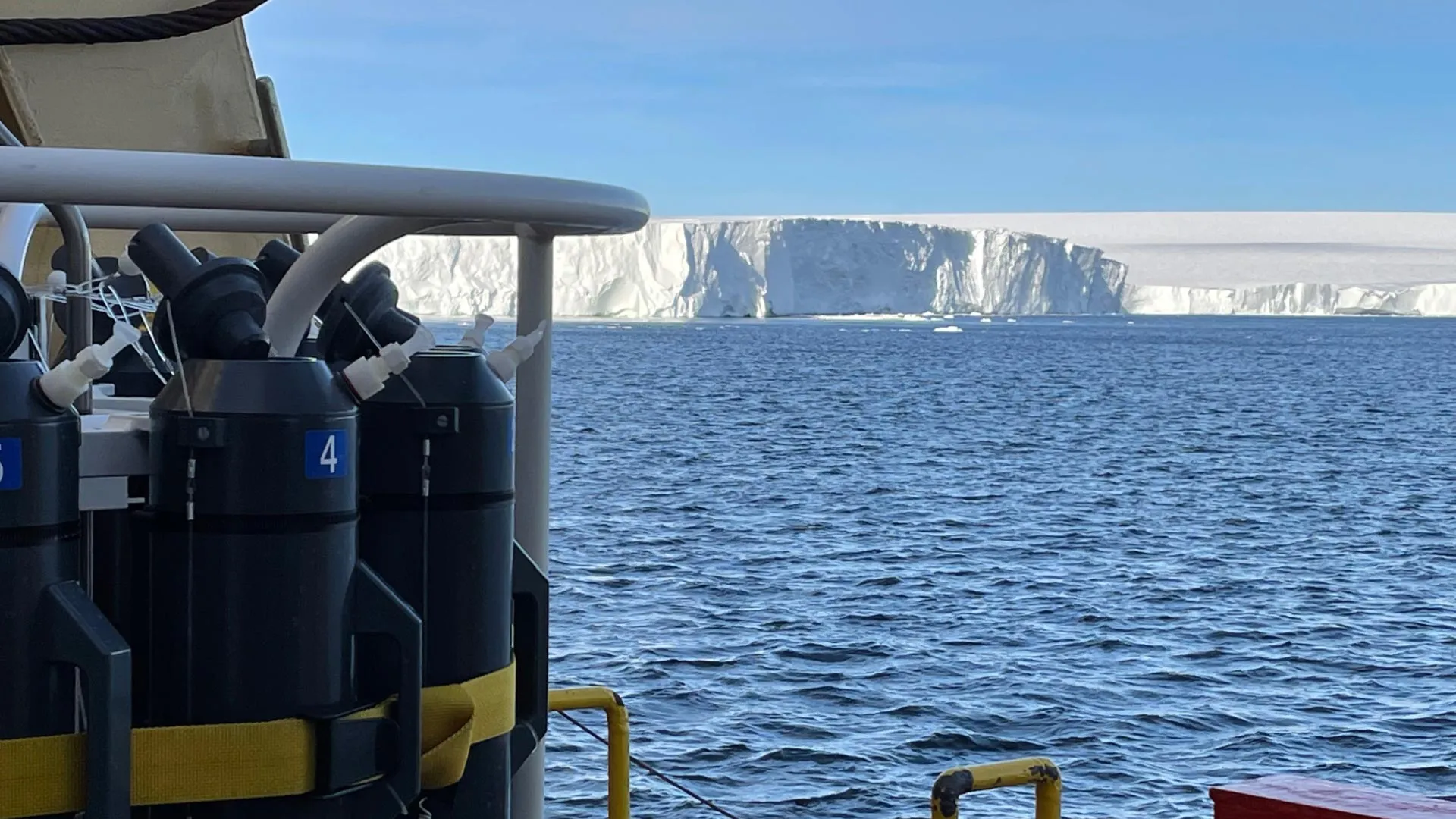
Recent revelations from Antarctica have cast a shadow over a once-promising climate hypothesis. Scientists had long speculated that the melting glaciers of the Antarctic would release significant amounts of iron into the Southern Ocean. This iron, in turn, was believed to fuel algae blooms capable of drawing down atmospheric carbon dioxide, a critical greenhouse gas contributing to climate change. However, new field data from West Antarctica suggests that this theory may not hold as much water, or iron, as previously thought. Instead, researchers have found that the meltwater from these glaciers contributes far less iron than anticipated, raising important questions about the role of Antarctica in the global climate system.
The initial hope was rooted in the concept of biogeochemical cycling, where essential nutrients like iron are cycled through the ocean's ecosystems. Iron is a limiting nutrient in many oceanic regions, meaning that its scarcity can restrict the growth of phytoplankton, the microscopic marine plants crucial for carbon capture. Algae blooms, fueled by iron, can absorb carbon dioxide during photosynthesis, effectively acting as a natural mechanism for mitigating climate change. Thus, the theory held that as Antarctic glaciers continued to melt due to rising global temperatures, they would release iron into the surrounding waters, triggering these blooms and providing a potential buffer against climate change.
Recent field studies have dispelled this optimistic view. Researchers found that the iron released from melting glaciers is minimal compared to the iron sourced from deep ocean waters and marine sediments. This finding was particularly surprising, as it suggests that the anticipated increase in iron availability due to glacial melt may not significantly alter the dynamics of carbon capture in the Southern Ocean. The implications of this discovery are profound, as they challenge existing models that incorporate the notion of glacier-derived iron as a major player in oceanic carbon cycling. The reality is more complex; while melting ice does introduce some iron, the majority of it appears to come from deeper ocean layers, where iron-rich waters circulate and interact with sediment.
This new understanding underscores a critical point: while Antarctica's glaciers are indeed melting at alarming rates due to climate change, their contribution to ocean nutrient cycling may be less beneficial than previously thought. The melting ice sheets are primarily a harbinger of rising sea levels and increased global temperatures. The loss of ice not only contributes to rising ocean levels but also alters marine ecosystems and disrupts the delicate balance of oceanic life. The anticipated benefits of glacier melt in terms of nutrient provision could be overshadowed by the negative impacts of losing extensive ice cover, which plays a vital role in regulating Earth’s climate.
As scientists continue to investigate the intricate relationships between glacial melt, ocean chemistry, and atmospheric carbon levels, it becomes increasingly evident that our understanding of these processes is still evolving. The Southern Ocean is complex and dynamic, influenced by a myriad of factors including temperature, salinity, and currents. Future research will need to focus on these interactions to accurately assess how climate change is reshaping our planet's oceans and the role they play in carbon sequestration.
The implications of these findings extend beyond the Southern Ocean and Antarctica; they resonate with global climate policy and efforts to mitigate climate change. Relying on natural processes, such as phytoplankton blooms, to offset carbon emissions may not be as effective as once hoped. This reinforces the urgent need for comprehensive strategies to reduce greenhouse gas emissions at their source. As the climate crisis continues to unfold, understanding the nuanced effects of glacial melt on ocean ecosystems will be paramount in developing informed and effective climate action plans. The recent data serves as a reminder that while nature offers pathways to mitigate climate change, these pathways are fraught with complexity and vulnerability, necessitating a greater focus on reducing emissions rather than relying on uncertain natural processes.