Beavers: Nature's Unsung Heroes in the Battle Against Climate Change
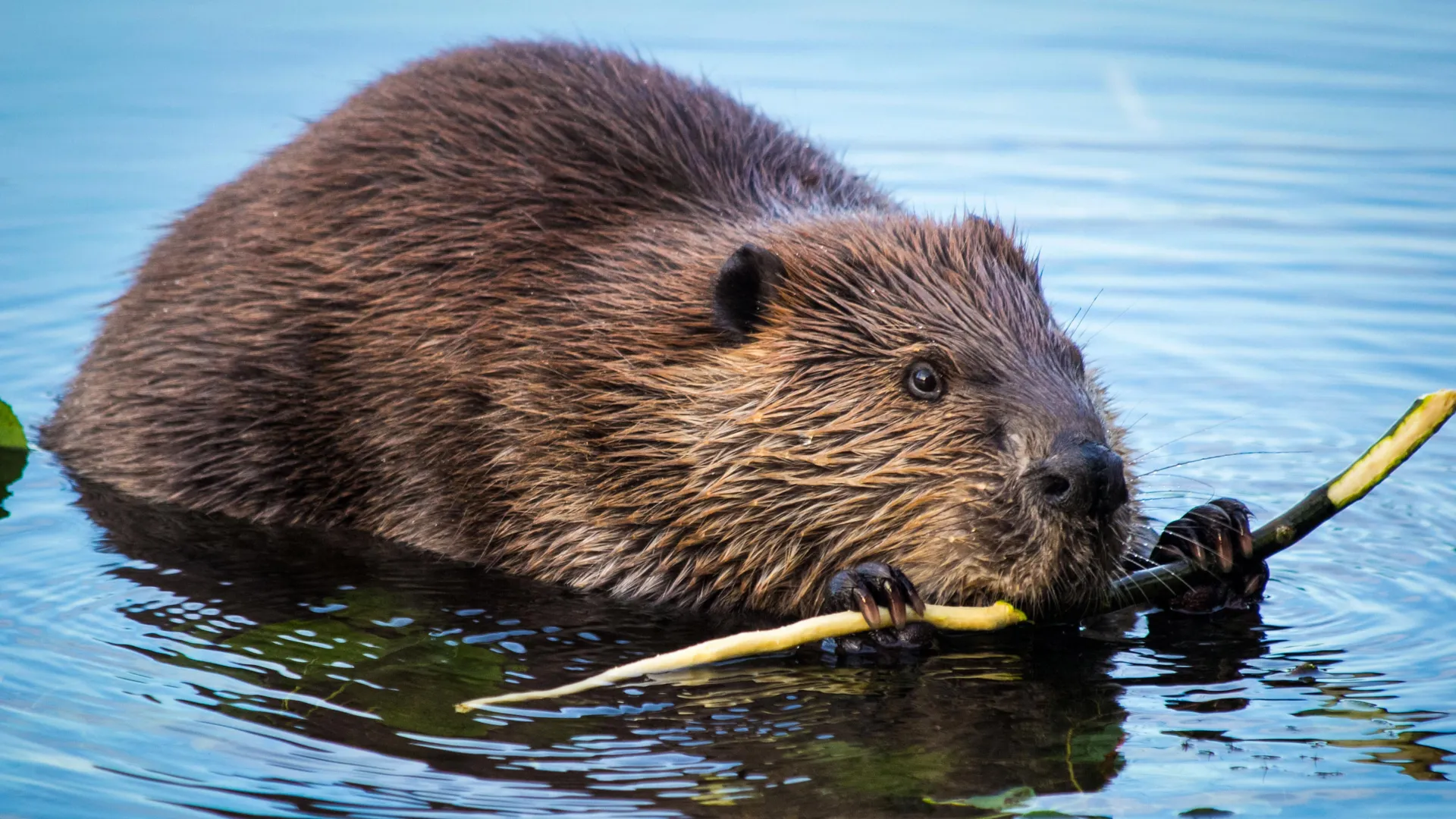
Recent research has illuminated the remarkable impact that beavers, often considered mere nuisances, can have on the environment. These industrious rodents are contributing significantly to the fight against climate change through their natural behaviors. By constructing dams and creating wetlands, beavers not only alter local ecosystems but also enhance the carbon storage capacity of these landscapes. A study conducted over 13 years in Switzerland found that a beaver-created wetland was able to sequester over a thousand tonnes of carbon, which is up to ten times more than areas that lack beaver activity. This surprising revelation positions beavers as valuable allies in mitigating climate change effects.
The ecological engineering performed by beavers is a fascinating process that begins with the construction of dams. As beavers build these structures using wood, mud, and other natural materials, they create ponds that can flood surrounding areas. This flooding transforms streams into wetlands, leading to a cascade of ecological benefits. Wetlands serve as vital ecosystems that support biodiversity, improve water quality, and provide habitats for a variety of species. More importantly, these wetlands play a crucial role in carbon cycling. When organic matter accumulates in flooded areas, it gets buried under layers of sediment, which effectively traps carbon in the soil. This process not only reduces atmospheric carbon dioxide levels but also creates conditions that facilitate the growth of plants, further enhancing carbon uptake.
The significance of beaver activity extends beyond carbon sequestration. Their dams can help regulate water flow, mitigate flooding, and improve groundwater recharge, all of which are essential functions in maintaining healthy landscapes. In regions prone to drought, beaver-created wetlands can retain water during dry periods, providing a consistent water source for plants and animals. Conversely, these wetlands can also help absorb excess rainwater, reducing the risk of flooding downstream. This dual role in water management makes beavers an integral part of resilient ecosystems, particularly in the face of climate change, which is leading to more extreme weather patterns.
This newfound understanding of beavers as ecological agents has prompted a reevaluation of their role within conservation strategies. Historically, beavers have been viewed primarily as pests, with their activities leading to conflicts with landowners and agricultural interests. However, as the urgency of climate change grows, the potential benefits of beaver populations are becoming increasingly apparent. Conservationists and land managers are now advocating for the protection and reintroduction of beaver populations in suitable habitats, recognizing their ability to enhance ecological resilience and contribute to carbon management strategies.
Scientific research supports these conservation efforts, emphasizing that restoring beaver populations can yield significant environmental dividends. Studies have shown that areas with healthy beaver populations not only exhibit improved carbon storage but also enhanced biodiversity. The presence of beavers creates complex habitats that benefit numerous species, including fish, amphibians, and birds. This biodiversity is crucial for ecosystem stability and resilience, particularly as climate change continues to exert pressure on natural systems.
As society grapples with the reality of climate change, the role of beavers as natural climate solution providers becomes more relevant. Their ability to create and maintain wetlands presents a low-tech, nature-based approach to carbon sequestration that complements other climate mitigation strategies. The importance of integrating natural processes into climate action plans cannot be overstated. By harnessing the ecological services provided by beavers, communities can enhance their efforts to combat climate change while simultaneously fostering healthier ecosystems. This innovative approach highlights the need for a paradigm shift in how we view wildlife and their contributions to environmental health, positioning beavers as essential allies in our collective fight against climate change.