China's 15th Five-Year Plan: A New Chapter in Climate Strategy and Energy Transition
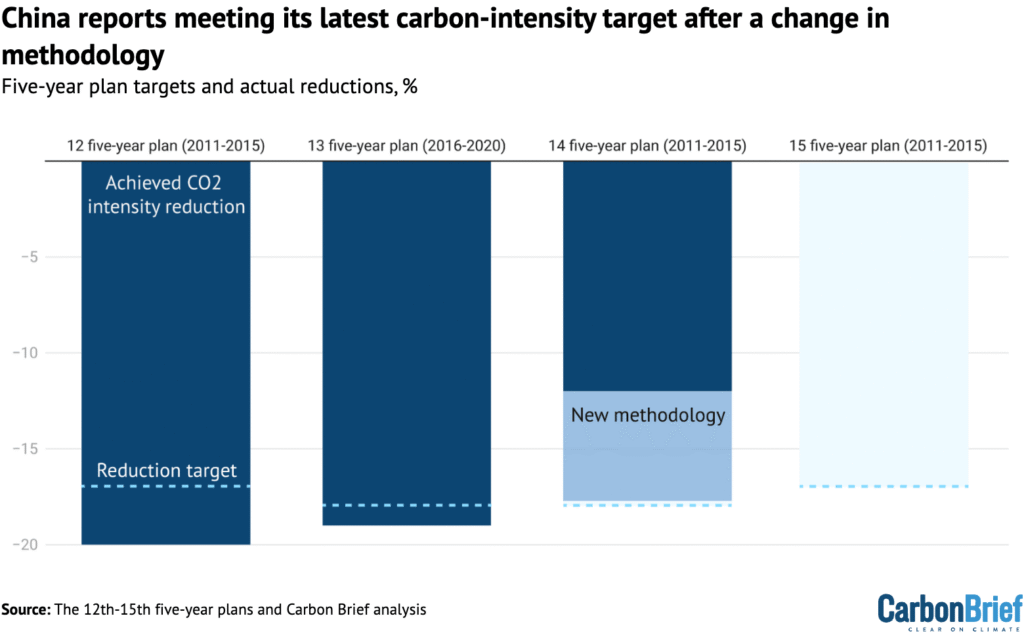
China has recently unveiled a draft of its 15th five-year plan, which sets the strategic framework for the nation’s socio-economic development from 2026 to 2030. This plan is particularly significant as it outlines key measures to address climate change and energy security, a dual challenge that has become increasingly pressing in recent years. With global temperatures rising and the impacts of climate change becoming more evident, the world is looking closely at how major economies like China will navigate their energy transitions while also ensuring economic growth and energy stability. The plan contains specific targets aimed at reducing carbon intensity, supporting clean energy initiatives, and addressing the role of coal in the country's energy mix.
A notable aspect of the draft plan is its commitment to reducing carbon intensity by 17% during the five-year period from 2026 to 2030. Carbon intensity, a measure of carbon dioxide emissions per unit of GDP, has become a critical metric for assessing a country’s progress in mitigating climate change. However, the plan also revises the calculation basis for this key indicator, raising questions about the implications for actual carbon emissions. While the commitment to reducing carbon intensity signals a continued focus on climate action, it becomes essential to consider how this new framework will be implemented in practice. Analysts have expressed concerns that the absence of an absolute cap on carbon emissions could undermine the potential effectiveness of these goals, particularly as China continues to grapple with its energy security needs.
The draft plan also reaffirms China's dedication to expanding its clean energy sector, emphasizing the importance of solar power, electric vehicles, hydrogen, and new energy storage technologies. This commitment highlights the nation’s aspiration to lead in the global clean energy market, positioning itself not only as a consumer of renewable technologies but also as a provider of affordable clean-energy solutions worldwide. As the world's largest emitter of greenhouse gases, China’s role in the transition to a low-carbon economy is crucial. The plan outlines specific targets for increasing the share of non-fossil energy in total energy consumption to 21.7% by 2030, which underscores the government’s ambition to diversify its energy sources and reduce reliance on coal and oil.
Coal continues to be a contentious issue within the plan, as it remains a significant component of China's energy landscape. The government has signaled intentions to promote the peak usage of coal and oil, yet it stops short of providing a concrete timeline for this transition. The focus on “clean and efficient” coal use indicates a tension between achieving climate objectives and ensuring energy security, particularly in light of China's rapid economic growth and industrial demands. As the nation seeks to balance these competing priorities, the path forward may involve a gradual phasing out of coal, coupled with increased investments in cleaner energy sources.
China's approach to global climate governance is also an essential consideration in the context of the 15th five-year plan. The document communicates a desire to enhance China's role in international climate discussions, portraying the country as a responsible player in providing global public goods, including affordable clean energy technologies. The plan suggests that China is willing to take on a leadership position in global climate initiatives, which could influence international cooperation on emission reductions and the sharing of technology. This shift may be particularly important as the world prepares for critical climate negotiations and seeks collaborative solutions to pressing environmental challenges.
As the details of the plan continue to evolve, it is clear that the 15th five-year plan represents a critical moment for China’s climate strategy and energy transition. The outcomes of the National People’s Congress and the Chinese People’s Political Consultative Conference, where these plans are typically finalized, will provide further clarity on the specific policies and measures that will be implemented. Observers are keenly awaiting the finalized version of the plan, which is expected to set the tone for China's approach to climate action and energy security in the coming years. The implications of this plan extend far beyond China, as the decisions made will have a profound impact on global efforts to address climate change and transition to a sustainable energy future.