China's Clean Energy Sector: A Driving Force for Economic Growth by 2025
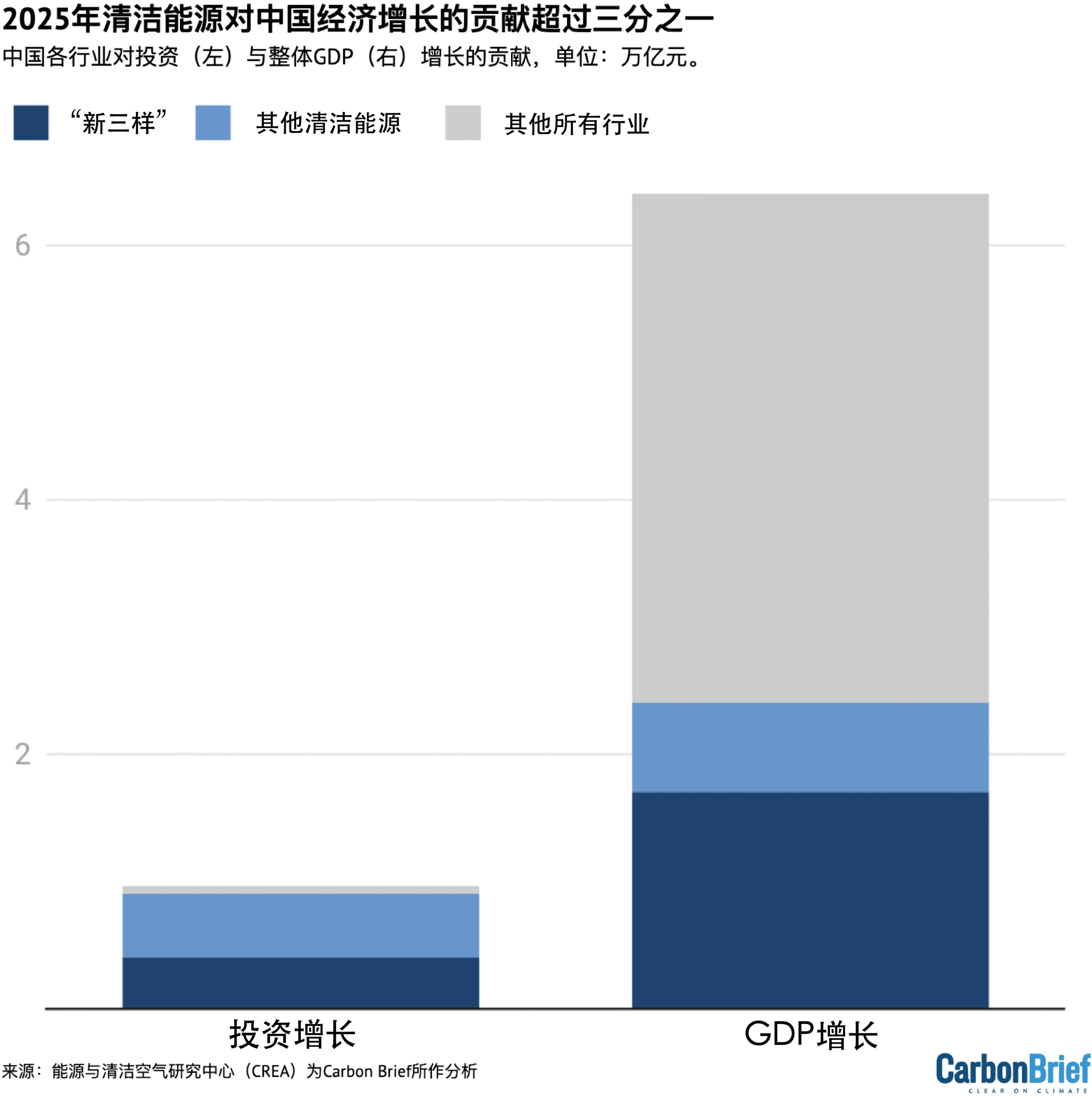
Projections indicate that by 2025, China's clean energy sector, encompassing solar power, electric vehicles, and other renewable technologies, will contribute over one-third of the nation's GDP growth. This significant forecast underscores the accelerating pace of investment in clean energy, which is anticipated to fuel more than 90% of overall investment growth during this period. According to a recent analysis conducted by Carbon Brief, based on official data and industry reports, the clean energy industry in China is expected to reach a staggering output of 15.4 trillion yuan, approximately 2.1 trillion USD, representing about 11.4% of the national GDP. This figure is comparable to the economic scale of Brazil or Canada, revealing the monumental shift towards renewable energy sources in the world's most populous country.
The analysis sheds light on the remarkable expansion of the clean energy sector in China, which is poised to nearly double in size from 2022 to 2025. Should it be treated as an independent economy, the clean energy sector would rank as the eighth largest globally, highlighting its growing significance on the world stage. The clean energy industry is projected to support China's GDP growth target of around 5%, with forecasts suggesting that without this sector, the real GDP growth rate would dwindle to only 3.5% in 2025. Clearly, the clean energy industry is not only a vital player in China's economic landscape, but it also serves as a critical engine of growth amid global economic uncertainties.
Electric vehicles, batteries, and solar power technologies are identified as the core components of China's clean energy economy, contributing approximately two-thirds of the sector's added value and attracting more than half of the industry's total investment. By 2025, investments in clean energy are expected to reach 7.2 trillion yuan, which is about four times the amount allocated for fossil fuel extraction and coal power investments during the same timeframe. The surge in investments reflects a substantial commitment to transitioning towards sustainable energy sources, which positions China as a global leader in the clean energy revolution.
Despite the rapid growth forecasted for China's clean energy sector, challenges loom on the horizon, particularly concerning solar energy. The introduction of new pricing mechanisms under document 136 has led to a deceleration in the growth of solar power installations, with government targets appearing significantly lower than the robust expansion seen in recent years. If this trend of slowing growth persists, there is a risk that the clean energy sector may transform from being a driver of economic growth into a potential drag on the economy, exacerbating issues such as overcapacity in the industrial sector and intensifying international trade tensions.
Nonetheless, even amid a cautious outlook from the central government regarding clean energy targets over the next five years, local government initiatives and investments from state-owned enterprises may still propel the clean energy industry towards continued substantial growth. The findings of this analysis build upon previous assessments of clean energy contributions in 2023 and 2024, illustrating a sector that outpaces the overall economy and solidifies its role as a cornerstone of China's future.
The economic implications of this analysis are profound. The clean energy sector's performance is not only critical for meeting national growth targets but also for addressing climate change and reducing reliance on fossil fuels. As the world grapples with the consequences of climate change, China's transition to a clean energy economy may serve as a model for other nations aiming to balance economic growth with environmental responsibility. The emphasis on electric vehicles and renewable energy sources aligns with global trends towards sustainability, offering insights into how strategic investments in technology and infrastructure can drive economic and environmental progress simultaneously. As we approach 2025, the world will be watching closely to see how these developments unfold in China and their potential ripple effects on the global economy.