Climate Change Intensifies Fire Risk in Southern South America: A Deep Dive into the Recent Wildfires
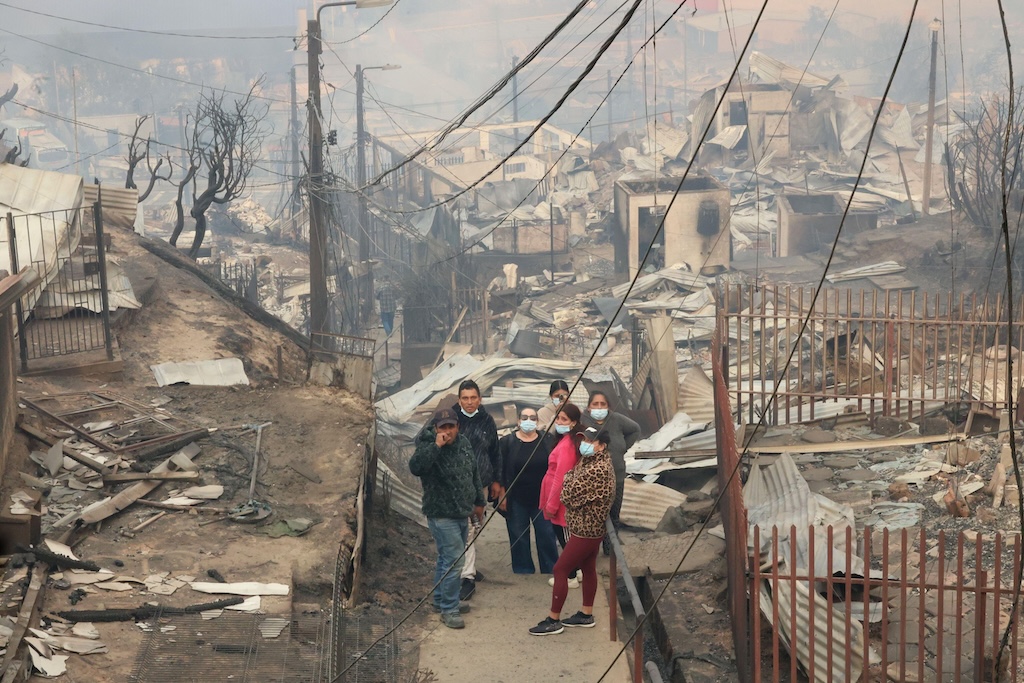
Recent wildfires in Chile and Argentina have drawn global attention, highlighting the severe impacts of climate change on weather patterns and ecosystems. A rapid attribution study by the World Weather Attribution (WWA) service reveals that the extreme weather conditions leading up to the fires, characterized by hot, dry, and windy days, were approximately three times more likely due to human-induced climate change. This alarming statistic underscores the growing urgency to address climate change, as these wildfires not only threaten lives but also devastate vast landscapes, including native forests and grasslands.
The wildfires that swept through various regions of South America in January had devastating consequences. In Chile alone, the fires claimed 23 lives, displaced over 52,000 residents, and destroyed more than 1,000 homes. The infernos also ravaged approximately 45,000 hectares of land, which included native and planted forests, shrublands, and grasslands. The destruction was not limited to the immediate loss of life and property; it also had long-term implications for biodiversity and the environment. With increasing frequency and intensity of such fires predicted in the future, the ramifications of climate change are becoming alarmingly clear.
The WWA study indicated that the conditions conducive to these wildfires are projected to occur every five years in the current climate, a stark contrast to a hypothetical world without human-induced emissions, where such conditions would have been significantly rarer. The intensity of rainfall during the fire season has diminished by about 20-25% in the affected areas due to climate change, creating an environment ripe for wildfires. The lead author of the study, Prof. Friederike Otto from Imperial College London, emphasized that the primary driver behind the increased fire risk is anthropogenic warming. As fossil fuel consumption continues, these dangerous trends are expected to persist, posing an ongoing threat to regions already vulnerable to extreme weather.
The wildfires in Patagonia, particularly in the northern Patagonian Andes of Argentina, illustrate the dire consequences of these weather changes. Researchers noted that the last significant rainfall recorded before the fires broke out was in mid-November 2025. The dry conditions, coupled with extreme heat, created an ideal landscape for fires to ignite and spread rapidly. For instance, in early January, the region experienced 11 consecutive days of extreme temperatures, marking one of the longest warm spells in 65 years. The parched vegetation and reduced soil moisture served as abundant fuel for the fires, enabling them to thrive and expand quickly.
The impact of these wildfires extended beyond the immediate destruction. In southern Chile, wildfires erupted in January, affecting the Biobío, Ñuble, and Araucanía regions. The fires, which began near Concepción, reached temperatures exceeding 37 degrees Celsius in nearby cities, exacerbating the situation further. The fires not only consumed vast areas of forest but also significantly increased the land burned across the country, tripling the amount compared to the previous year. In this context, the expansion of non-native species, such as Monterey pine and Eucalyptus, has contributed to creating highly flammable landscapes in Chile, making it crucial to reevaluate land management practices.
Wildfires are complex phenomena influenced by various factors, including atmospheric moisture, wind speed, and fuel availability. To evaluate the specific impact of climate change on wildfire risk, researchers focused on a metric known as the Hot Dry Windy Index (HDWI), which combines maximum temperature, relative humidity, and wind speed. Although this index does not encompass every variable affecting wildfire intensity, it serves as a reliable predictor of short-term, dry, fire-prone conditions. The study analyzed two separate regions: one along the coast and foothills of the Andes in central Chile and another spanning the Chilean-Argentine border in Patagonia. The findings from these analyses emphasize the critical relationship between climate change and increased wildfire risks, highlighting the urgent need for policy measures and community preparedness to mitigate future disasters.
The findings of this study are a wake-up call for governments and communities alike. As global temperatures continue to rise, the risks associated with wildfires will likely escalate, affecting not only local ecosystems but also the health and safety of populations in vulnerable regions. Immediate actions, such as enhancing fire management practices, restoring natural ecosystems, and adopting sustainable land-use strategies, are essential to mitigate the impacts of climate change. With the clock ticking, it is imperative for all stakeholders to collaborate in addressing the root causes of climate change to protect both human lives and the environment from the devastating effects of wildfires.