Climate Chronicles: Fires, Ice, and Global Commitments in Flux
A week marked by extreme weather events has underscored the stark realities of climate change, showcasing the dual threats of intense heat and severe cold. In Australia, a blistering heatwave has pushed temperatures to nearly 50 degrees Celsius, prompting authorities to issue urgent warnings as bushfires rage out of control. This alarming situation has drawn attention not only for its immediate dangers but also for its implications as global patterns of extreme weather become increasingly pronounced. The Australian Open tennis tournament has had to reschedule matches and activate emergency protocols, highlighting how climate-related disruptions are infiltrating even the world of sports. Experts are linking these extreme heat events to the broader context of climate change, which has been shown to increase the frequency and intensity of such phenomena, making them not just occasional occurrences but alarming indicators of a warming planet.
Conversely, the United States has recently grappled with a severe winter storm that swept across the southern and eastern regions, resulting in widespread power outages and the cancellation of thousands of flights. Reports indicate that more than 870,000 people were left without electricity, while at least seven fatalities have been attributed to the storm's harsh conditions. This juxtaposition of extreme heat in Australia and frigid temperatures in the U.S. raises critical questions about the complexities of climate dynamics. Some climate skeptics have seized on such winter storms as evidence against global warming, but scientists emphasize that climate change can indeed lead to both extremes: hotter summers and colder winters. This phenomenon is part of a growing body of research that suggests climate change can disrupt typical weather patterns, leading to unexpected cold spells even as the planet's overall temperature rises.
On the international stage, the United States' recent formal exit from the Paris Agreement has reignited discussions about global climate commitments. One year after announcing its intention to withdraw, the U.S. stands as the only nation to abandon this crucial pact aimed at combating climate change. As the world grapples with the implications of this departure, the focus shifts to how it might influence global efforts to reduce greenhouse gas emissions. While the current administration is embroiled in debates over climate policy, concerns persist that the weakening of federal climate regulations could hinder the progress needed to address the climate crisis effectively. The Trump administration's proposed repeal of the “endangerment finding”, a legal framework underpinning many climate regulations, has faced delays, as officials worry about its robustness against legal scrutiny. This situation underscores the complexities of climate governance in the U.S. and the potential setbacks in the fight against climate change.
In Europe, a contrasting narrative emerges as ten nations have united to forge a landmark agreement aimed at accelerating the rollout of offshore wind farms by the 2030s. This pact not only signifies a commitment to renewable energy but also the establishment of a comprehensive power grid in the North Sea. Such initiatives are crucial for the continent's transition to a low-carbon economy, advancing both energy security and environmental sustainability. The commitment to renewable energy sources is a positive indicator of how nations can collaborate to combat climate change, providing a model for others to follow. Alongside this, a significant trade deal between India and the EU promises to enhance economic ties while maintaining a focus on environmental standards, as officials assure that it will not disrupt existing carbon border adjustment mechanisms.
The recent judicial ruling in the Netherlands adds another layer to the global climate narrative. A court in The Hague found that the Dutch government had failed to adequately assist vulnerable communities in adapting to the impacts of climate change, marking a critical moment in climate justice. The court's decision mandates the government to set binding emission reduction targets within 18 months, reinforcing the notion that governments must take responsibility for their contributions to climate change and its effects on marginalized populations. Such legal precedents could inspire similar actions in other nations, amplifying the call for accountability and proactive measures in the face of climate challenges.
As the global community continues to grapple with the multifaceted issues of climate change, fresh research highlights the urgency of the situation. Recent studies indicate that emissions from thawing permafrost and wildfires could significantly reduce the remaining carbon budget needed to limit global warming to 1.5 degrees Celsius. The implications of this research are profound, suggesting that time is running out for countries to act decisively. Furthermore, projections indicate that the number of people exposed to extreme heat conditions could nearly double if global temperatures rise by 2 degrees Celsius, emphasizing the need for immediate and robust action.
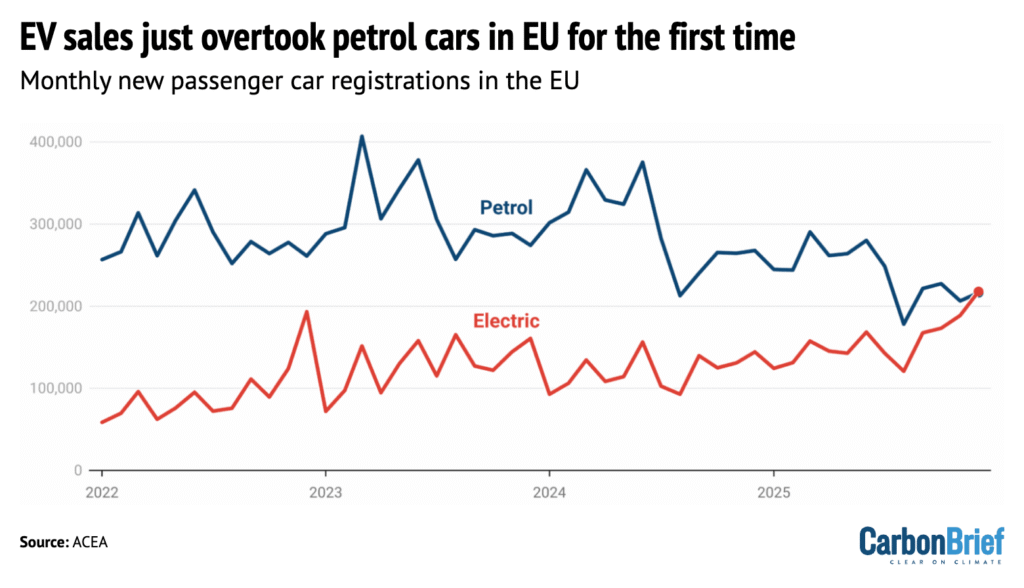
Amidst these challenges, there are glimmers of hope in the form of technological advancements. The electric vehicle market in the European Union has reached a notable milestone, with sales of electric vehicles surpassing those of conventional petrol cars for the first time. This shift represents a significant step towards reducing carbon emissions from the transportation sector, a key contributor to global warming. As the world navigates the complexities of climate change, from extreme weather events to international agreements and technological breakthroughs, the interconnectedness of these issues becomes increasingly clear. Each development serves as a reminder that addressing climate change will require concerted efforts at all levels, from individual actions to global cooperation.