Climate News Roundup: Davos Discourse, Renewable Energy Milestones, and the Fight Against Climate Change
The World Economic Forum in Davos, Switzerland, served as a backdrop for a fiery discourse on climate change, particularly driven by former President Donald Trump’s recent remarks. Trump made headlines with claims suggesting that China dominates global wind power production, stating that he had not encountered any wind farms during his visits to the country, and labeling buyers of Chinese renewable energy products as 'stupid.' This contention was quickly countered by Chinese officials, who highlighted the nation's significant advancements in renewable energy. According to recent data, China leads the world in wind energy capacity, accounting for approximately 40% of global wind generation by 2024. Such statements reflect a misunderstanding of the current energy landscape, where countries prioritize renewable technologies not only for their environmental benefits but also for energy security. The implications of these discussions extend beyond mere rhetoric, influencing global perceptions and international cooperation in tackling climate change.
Significantly, the European Union celebrated a historic milestone, with wind and solar energy sources surpassing fossil fuels in electricity generation for the first time in 2025. Reports indicate that nearly 30% of the EU's electricity came from renewable sources, outpacing coal, gas, and oil combined. This shift is a testament to the EU’s commitment to a greener future and highlights the growing role of renewable energy in the global energy mix. As many nations grapple with the dual challenges of energy security and climate change, this achievement provides a model for others to follow. The transition to renewables is not merely a matter of environmental necessity but a crucial step towards achieving energy independence and sustainability in an era marked by geopolitical tensions and energy crises.
The effects of climate change are becoming increasingly evident in various regions around the globe, underscoring the urgent need for action. In southern Africa, Mozambique has been reeling from catastrophic floods that have claimed the lives of over 112 individuals. Recently, the country experienced an unprecedented rainfall event, receiving 250mm within just 24 hours. South African President Cyril Ramaphosa linked the disaster to climate-induced changes, drawing attention to the correlation between extreme weather events and global warming. This situation is a stark reminder of the human cost of climate change, particularly in vulnerable regions where communities often lack the resources to effectively respond to such crises. The economic toll of climate-related disasters continues to rise, with a UN report estimating that drought-related damages amount to $307 billion annually, further emphasizing the need for robust climate finance solutions.
Meanwhile, significant strides are being made in the realm of low-carbon technologies. The UK government has unveiled a substantial £15 billion initiative aimed at deploying low-carbon technologies within homes, focusing on innovations such as rooftop solar panels and heat pumps. This investment not only contributes to the national goal of reducing greenhouse gas emissions but also fosters economic growth through job creation in the green tech sector. Initiatives like these are crucial in paving the way for a sustainable future and facilitating the transition towards carbon neutrality. As households increasingly adopt green technologies, the cumulative impact can lead to a significant reduction in energy consumption and dependence on fossil fuels.
Scientific endeavors continue to play a pivotal role in understanding the complexities of climate change. Recent explorations on the Thwaites Glacier in Antarctica are shedding light on how warming ocean waters are eroding this colossal ice mass. Researchers have faced logistical challenges due to adverse weather conditions but are committed to deploying equipment that will enhance our understanding of glacier dynamics and their contributions to sea-level rise. The Thwaites Glacier is often referred to as a 'doomsday glacier' due to its potential to release massive amounts of freshwater into the ocean, exacerbating global sea-level rise. The findings from these studies will be critical in informing policy decisions and climate adaptation strategies worldwide.
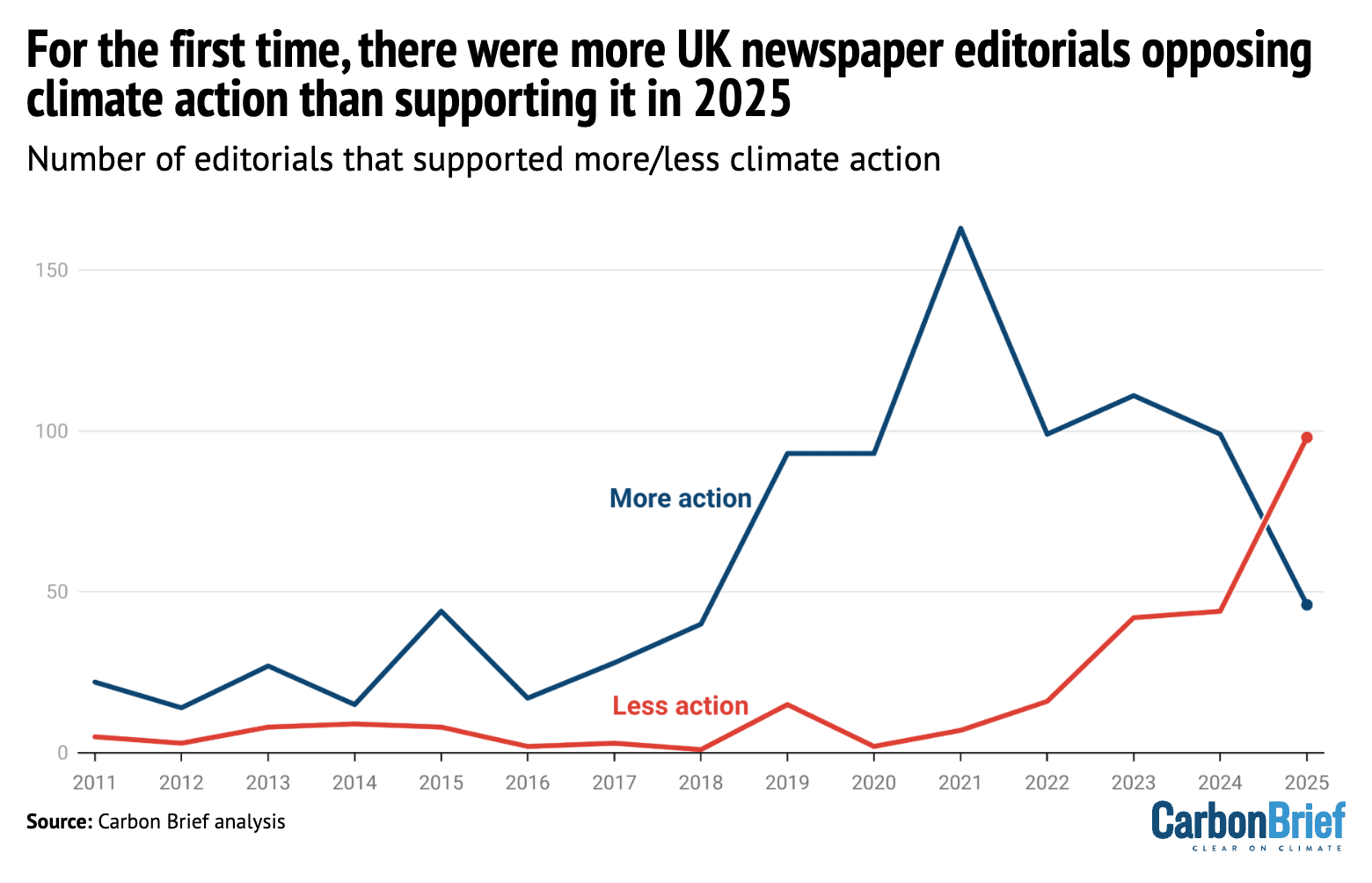
During a time when climate action is increasingly under scrutiny, particularly in political spheres, it is essential to remain informed about the evolving landscape of climate policies and public opinion. An analysis from Carbon Brief revealed a concerning trend in the UK, where editorials opposing climate action outnumbered those in support for the first time in 15 years. This shift, primarily observed in right-leaning media outlets, signifies a growing backlash against climate initiatives, potentially hindering progress towards net-zero goals. Engaging in constructive dialogue about climate solutions and fostering a shared understanding of the urgency of the climate crisis remains vital as we navigate this complex, multifaceted challenge.
As the world looks toward future climate negotiations and actions, the need for international cooperation remains paramount. The recent adoption of a landmark oceans treaty, which aims to bolster protections for marine biodiversity, serves as a hopeful sign of collective action despite the backdrop of retreating commitments from some nations. This treaty, which entered into force without the participation of the United States, underscores the importance of safeguarding our oceans in the fight against climate change. The ongoing challenges presented by climate change require a unified global response, and the development of robust international laws will be essential to address the intricate relationship between human activity and environmental sustainability.