Climate Update: Repeal of Endangerment Finding and UK’s Unyielding Rainfall
Recent developments in climate policy and weather patterns paint a complex picture of our global climate landscape. The Trump administration's decision to repeal the 2009 'endangerment finding' marks a significant shift in environmental regulation in the United States. This landmark ruling had established that greenhouse gases pose a threat to public health, providing a legal framework for regulating emissions over the past two decades. The recent repeal not only raises concerns among environmentalists but also sets the stage for a legal battle, with several environmental groups already signaling intentions to challenge this decision in court. The outcome of these legal proceedings will likely hinge on the judgment of the Conservative-majority Supreme Court, making the stakes particularly high for future climate policy in America. This repeal reflects the ongoing tension between economic interests and environmental protection, underscoring the challenges faced in the pursuit of sustainable climate solutions.
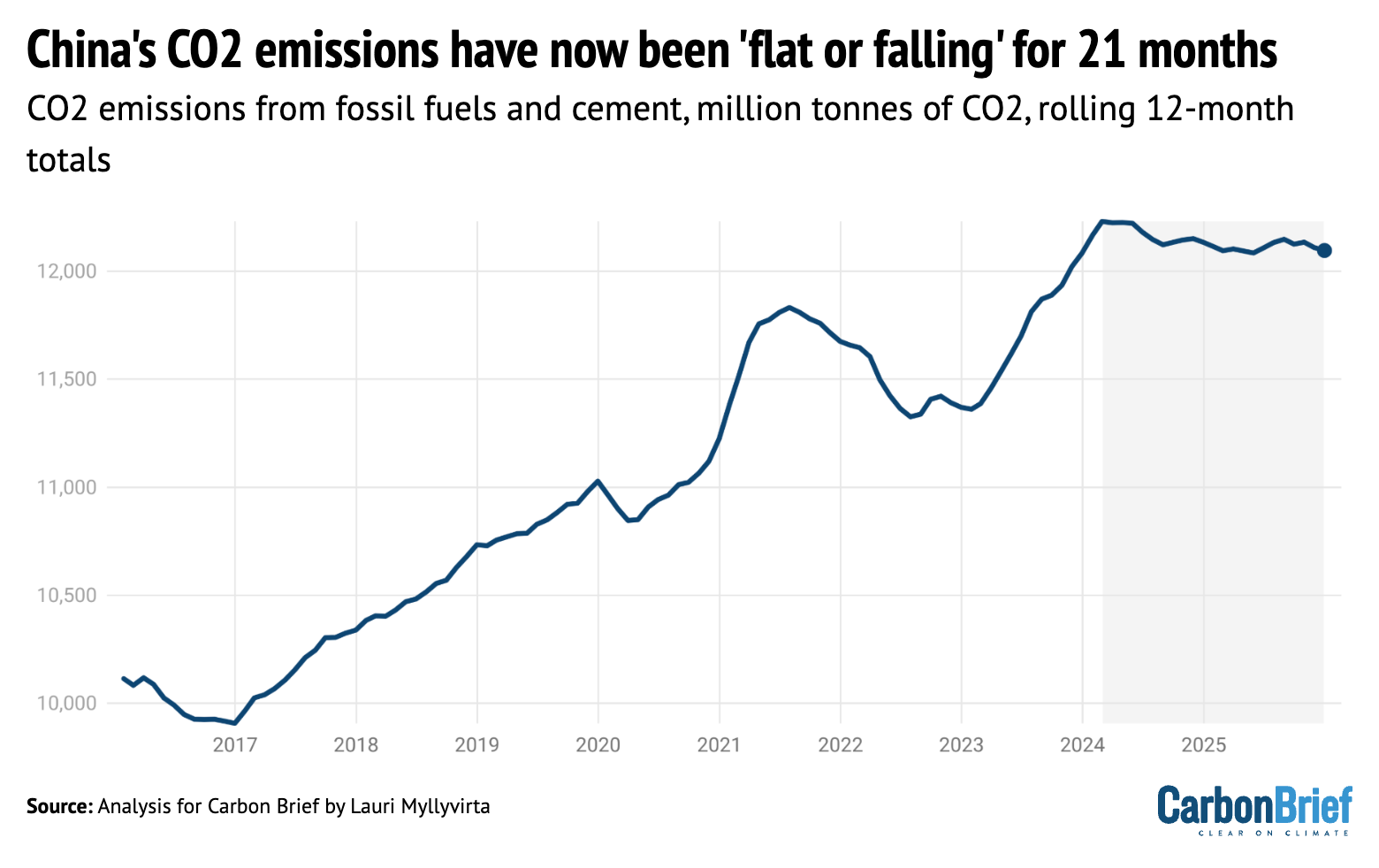
Simultaneously, the global climate narrative is evolving, as illustrated by recent reports on emissions trends in China. A significant analysis indicates that China’s carbon dioxide emissions have remained flat or declining for 21 consecutive months, a trend attributed to reductions in key sectors such as power, transport, and cement. This development is crucial, as China is the world's largest emitter of greenhouse gases and its policies significantly influence global climate outcomes. The consistency of this decline suggests a potential shift in China’s industrial practices and a growing commitment to addressing climate change. However, the long-term implications of these changes remain to be seen, particularly in the context of global cooperation on climate initiatives and the need for substantial emission reductions worldwide.
The impact of climate change is not only evident in policy decisions but also in extreme weather events across the globe. The UK, for instance, has been grappling with relentless rainfall that has led to widespread flooding and weather records being shattered. According to the Met Office, some regions experienced daily rainfall throughout January, and Northern Ireland recorded its wettest January in nearly 150 years. This incessant rain has resulted in over 200 active flood alerts across England and Wales, particularly affecting rural areas like Gloucester and Worcester. Such extreme weather events are increasingly being linked to climate change, as warmer air holds more moisture, leading to heavier and more frequent precipitation. Understanding these connections is vital for communities and policymakers alike, as they prepare for future climate scenarios.
The implications of flooding extend beyond immediate damage to property and infrastructure. Agricultural sectors are particularly vulnerable, with storms causing millions of euros in damage to farmland in regions like southern Spain and Portugal, where recent weather events have forced thousands to evacuate their homes. This situation highlights the growing economic risks associated with climate change, as extreme weather can disrupt food supply chains and threaten the livelihoods of farmers. Reports from the Intergovernmental Science-Policy Platform on Biodiversity and Ecosystem Services (IPBES) emphasize that undervaluing nature in business decisions exacerbates these risks, suggesting a need for more sustainable practices that account for environmental costs. As the world grapples with these challenges, the interplay between climate science and economic strategy becomes increasingly critical.
Recent scientific studies further illuminate the urgency of addressing climate change. Research indicates that human-caused climate change has made extreme weather events, such as the hot, dry, and windy conditions observed in regions like Chile and Argentina, significantly more likely. Additionally, concerning trends in coral bleaching highlight the ongoing threat to marine ecosystems, with a new study revealing that over half of the world's coral reefs experienced bleaching during a three-year period from 2014 to 2017, with a new global bleaching event commencing in 2023. These findings underscore the delicate balance of our ecosystems and the cascading impacts of climate change on biodiversity, which in turn affect human health and livelihoods.
As the global community continues to navigate these unprecedented challenges, the need for concerted action and robust policy frameworks becomes ever more apparent. Climate talks led by figures such as UN climate chief Simon Stiell emphasize the potential for climate action to bring stability amid geopolitical uncertainties. With the COP31 climate summit on the horizon, addressing these pressing issues will be vital for shaping a sustainable future. The intersection of weather patterns, regulatory decisions, and scientific findings not only informs public discourse but also calls for a proactive approach to climate adaptation and mitigation strategies. As the world faces a critical juncture, the necessary changes must be embraced to safeguard both people and the planet for generations to come.