Debunking the Myths: The Reality of North Sea Oil and Gas Exploration
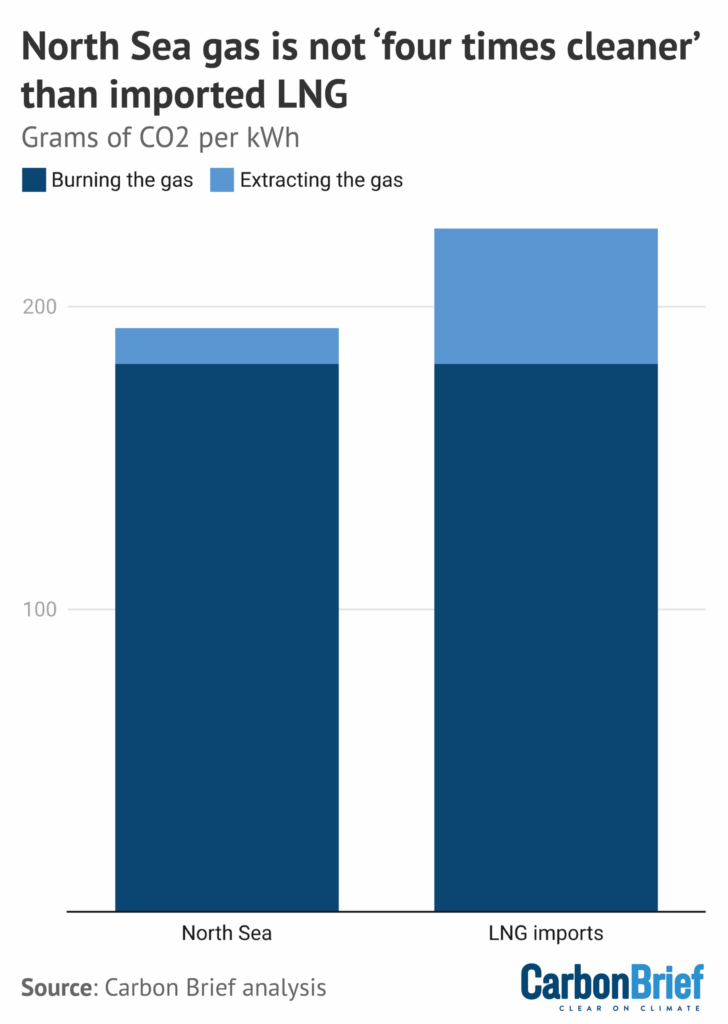
Amidst the backdrop of rising global energy prices triggered by geopolitical tensions, particularly the ongoing conflict in Iran, discussions surrounding the future of oil and gas extraction in the North Sea have gained renewed urgency. This dialogue has seen a resurgence in calls for increased drilling activity, with various public figures and media outlets arguing that such measures could mitigate energy costs and bolster national energy security. However, a closer examination reveals that many of these assertions are based on misconceptions and a misunderstanding of the current energy landscape. As the world grapples with the dual challenges of energy security and climate change, it is crucial to differentiate fact from fiction regarding the North Sea's role in the UK's energy future.
Arguments that reopening the North Sea to new oil and gas exploration would lead to lower energy bills are fundamentally flawed. Numerous experts in the energy sector have been vocal in pointing out that the UK’s energy prices are largely determined by international markets. Consequently, any additional output from the North Sea would have a negligible effect on overall pricing. The Climate Change Committee, an independent body advising the UK government, has noted that increased extraction from the North Sea is unlikely to materially influence global oil or gas prices. Even in the most optimistic scenarios, new fields would only contribute a minor fraction of the energy required to meet European demand. This reality underscores the importance of recognizing the interconnectedness of global energy markets and the limitations of domestic production in influencing consumer prices.
The notion that the UK is a resource-rich nation that has somehow chosen dependency on foreign energy sources also warrants scrutiny. The North Sea, once a prolific source of oil and gas, is now considered a mature basin, with production in decline for several decades. Most of the easily accessible reserves have already been extracted. While it is possible to slow the decline in production through new drilling, the economic viability of these new projects is contentious. Thus, the claim that the UK has chosen to remain dependent on imports overlooks the geological and economic realities of North Sea oil and gas extraction. The transition to renewable energy sources presents a more sustainable and effective pathway for ensuring energy security in the long term, particularly as the global community shifts towards decarbonization initiatives.
The environmental implications of further drilling in the North Sea cannot be ignored. Climate scientists and advocates have long warned about the dire consequences of fossil fuel dependency, emphasizing the urgent need to limit production in order to meet international climate targets. Prominent figures, including the UN Secretary-General and various environmental organizations, have echoed calls for a transition to cleaner energy sources as both a moral imperative and a practical necessity. With the UK having committed to ambitious climate goals, including net-zero emissions by 2050, continued investment in fossil fuels conflicts with the broader objective of reducing greenhouse gas emissions and combating climate change.
It is also essential to address the recurring claim that new drilling licenses in the North Sea would lead to a significant increase in job creation and economic revenue for the Treasury. While it is true that energy sectors can create jobs, the reality of the current labor market and the nature of oil and gas extraction suggest that the number of new jobs created would be limited. Many positions in the fossil fuel industry are highly specialized and do not necessarily translate into a large influx of new employment opportunities. Additionally, as the world moves towards renewable energy, the potential for job creation in the green sector could far exceed what fossil fuels can provide, highlighting the need for a strategic pivot in workforce development and investment in sustainable industries.
The narrative that the UK stands alone in banning new oil and gas licenses is misleading. Many nations worldwide are grappling with the complex balance between energy independence and climate commitments. As countries increasingly recognize the finite nature of fossil fuels and the pressing urgency to address climate change, the focus is shifting towards renewable energy solutions that promise to deliver not only energy security but also a sustainable future. The UK’s proactive stance on limiting new fossil fuel exploration reflects a growing global consensus on the necessity of transitioning to cleaner energy sources, rather than clinging to outdated practices that may perpetuate environmental harm.
In conclusion, the debate over North Sea oil and gas extraction is multifaceted, encompassing economic, environmental, and geopolitical dimensions. Disentangling the myths surrounding this issue is vital for informed public discourse and policy-making. As the UK navigates the challenges of energy security in an uncertain global landscape, embracing a sustainable energy transition will be far more beneficial than pursuing further fossil fuel exploration. The road ahead lies in innovation, investment in renewable resources, and a commitment to reducing carbon footprints, rather than relying on outdated and misleading narratives about the North Sea.