Decoding Earth's Magnetic Past: Insights into Chaotic Shifts from 600 Million Years Ago
The history of Earth's magnetic field is a subject of great intrigue for scientists. Approximately 600 million years ago, our planet's magnetic field exhibited unpredictable and chaotic fluctuations that puzzled researchers for decades. These anomalies were not merely random disturbances; they were a stark departure from the more stable magnetic behaviors seen in other geological periods. Recent studies have illuminated these ancient phenomena, suggesting that beneath the chaotic surface, there may have existed a deeper, organized structure guiding these magnetic changes.
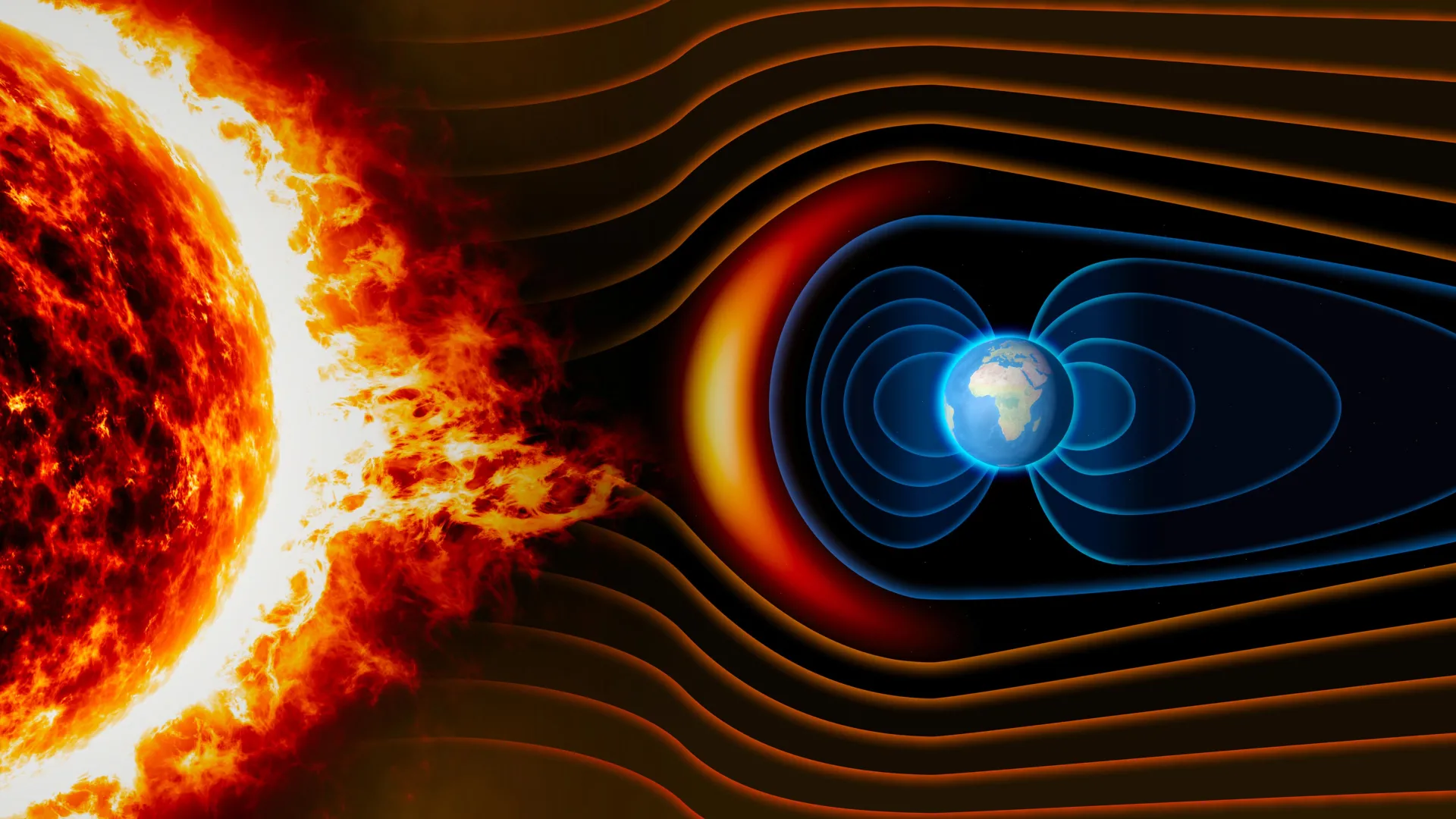
Understanding the dynamics of Earth's magnetic field is essential for multiple reasons. The magnetic field serves as a protective barrier against solar winds and cosmic radiation, shielding life on our planet from harmful radiation. Its strength and structure have significant implications for navigation, both for wildlife and human-made technologies. Historically, shifts in the magnetic field have been linked to various geological and climatic events, making the study of its ancient behavior vital for understanding Earth's evolution and the life it harbored.
The recent findings indicate that during this tumultuous period, the magnetic field underwent rapid, dramatic shifts. Researchers discovered that rather than being a random sequence of events, these irregularities may have conformed to broader, organized patterns. This revelation comes from analyzing ancient rock samples and magnetic signatures preserved in different geological layers. The study employed advanced modeling techniques that allowed scientists to simulate the behavior of the magnetic field under various conditions, shedding light on the potential influences at play during those ancient times.
Geologically, this era coincides with significant evolutionary milestones. The time frame aligns with the Ediacaran period, a time marked by the emergence of multicellular life forms. The interplay between Earth's magnetic field and biological evolution raises important questions. Did the magnetic fluctuations influence the evolutionary trajectory of early life? How did these changes affect the atmospheric conditions, and what role did they play in the development of complex ecosystems? Answering these questions may provide insights into the resilience of life and its adaptability to changing conditions over geological timescales.
The research team behind these findings emphasizes the importance of continuing to study magnetic field variations throughout Earth's history. Understanding past magnetic behaviors not only sheds light on ancient climates and geological processes but also equips scientists with the knowledge needed to predict future shifts. Given the current understanding of climate change and its potential impacts on Earth’s geomagnetic field, this research has profound implications for contemporary environmental challenges. Increased solar activity, changes in climate patterns, and their interplay with geomagnetic phenomena could shape the future of life on Earth, making it imperative that we continue to explore and understand the past.
As scientists delve deeper into the mysteries of Earth's magnetic history, the implications extend beyond geology and biology. The intricate relationships between magnetic fields, climate, and life provide a complex portrait of our planet's past. This research not only contributes to the academic community's understanding of Earth's magnetic behavior but also serves as a poignant reminder of the interconnectedness of natural systems. As we confront modern challenges related to climate change, the lessons learned from the ancient magnetic field can inform our strategies for sustainability and resilience in the face of an ever-changing world.