Decoding Earth's Water Cycle: The Role of Isotopes in Understanding Global Circulation
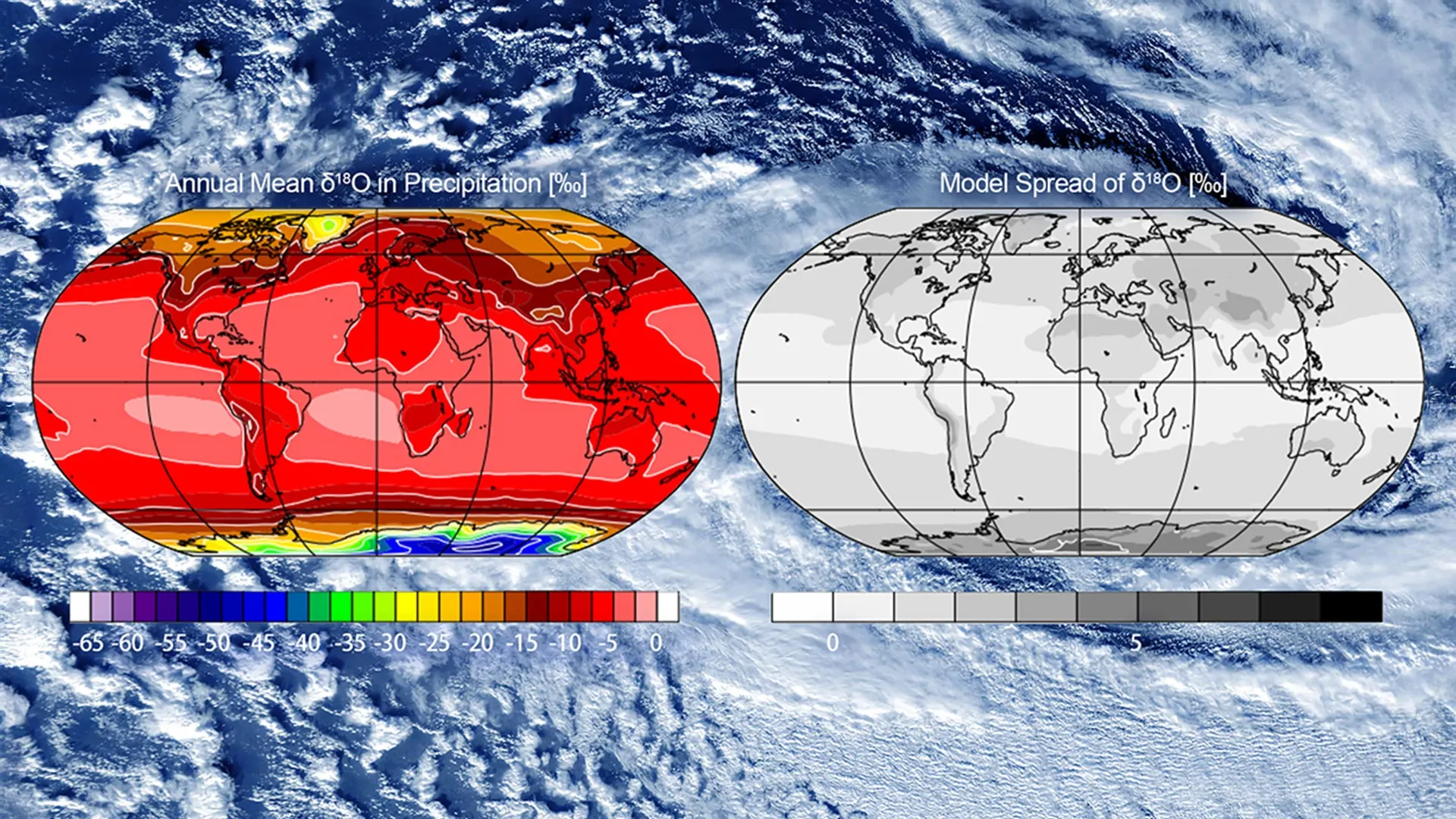
Recent advancements in climate science have unveiled a groundbreaking method for tracing the movement of water around our planet. Researchers have harnessed the power of isotopes, which are variations of elements that have the same number of protons but different numbers of neutrons, to uncover the hidden pathways of water as it transitions through various states and locations. By focusing on the isotopes of hydrogen and oxygen, scientists are able to track the evaporation and condensation processes that are critical to the global water cycle. This innovative approach promises to enhance our understanding of climate patterns and the distribution of freshwater resources across the globe.
The significance of this research cannot be overstated. Water is a fundamental component of Earth's climate system, influencing weather patterns, ecosystems, and human livelihoods. The ability to trace the journey of water molecules through the atmosphere, oceans, and land can provide invaluable insights into how climate change is affecting precipitation patterns and the availability of freshwater. For instance, shifts in water circulation can lead to severe droughts in some regions while causing flooding in others. By understanding these patterns more thoroughly, policymakers and scientists can develop better strategies for water management and climate adaptation.
Utilizing eight advanced climate models, researchers created a comprehensive ensemble that simulates the global water cycle with unprecedented accuracy. This ensemble approach allows scientists to account for a range of variables and conditions that can affect water movement. The isotopic composition of water changes predictably as it evaporates from bodies of water and re-condenses in the atmosphere. Heavier isotopes, such as deuterium (a hydrogen isotope), tend to evaporate less readily than their lighter counterparts, providing a unique fingerprint that can be tracked through various stages of the water cycle. By analyzing these isotopic signatures, scientists can ascertain where water has traveled and how it interacts with different environmental factors.
The methodology developed in this study showcases the power of interdisciplinary collaboration. Integrating insights from physics, chemistry, and meteorology, researchers were able to create a holistic model that captures the complexities of the water cycle. This collaborative effort highlights the importance of advancing our scientific tools and techniques to address pressing environmental challenges. As climate change continues to impact global weather patterns, understanding water circulation will be crucial for predicting future climatic shifts and their consequences.
The implications of this research extend beyond scientific curiosity. Water scarcity is becoming an increasing concern in many parts of the world, exacerbated by climate change, population growth, and unsustainable water management practices. By utilizing isotopes to map water movement, scientists can identify regions that may face potential water shortages or flooding risks. This information can inform water conservation efforts and guide infrastructure development, ensuring that communities are better prepared to face the challenges posed by changing climate conditions.
As we look to the future, the importance of precise climate modeling cannot be overstated. The ability to accurately simulate water circulation patterns will be essential for developing effective climate strategies, particularly in regions vulnerable to extreme weather events. The research on isotopes and their role in understanding the water cycle represents a significant step forward in climate science. It not only enhances our knowledge of how water moves across the globe but also equips us with the tools necessary to tackle the complex challenges of climate change and ensure the sustainability of our vital freshwater resources.