Economic Reckoning: The Double Impact of Marine Heatwaves on Tropical Cyclones
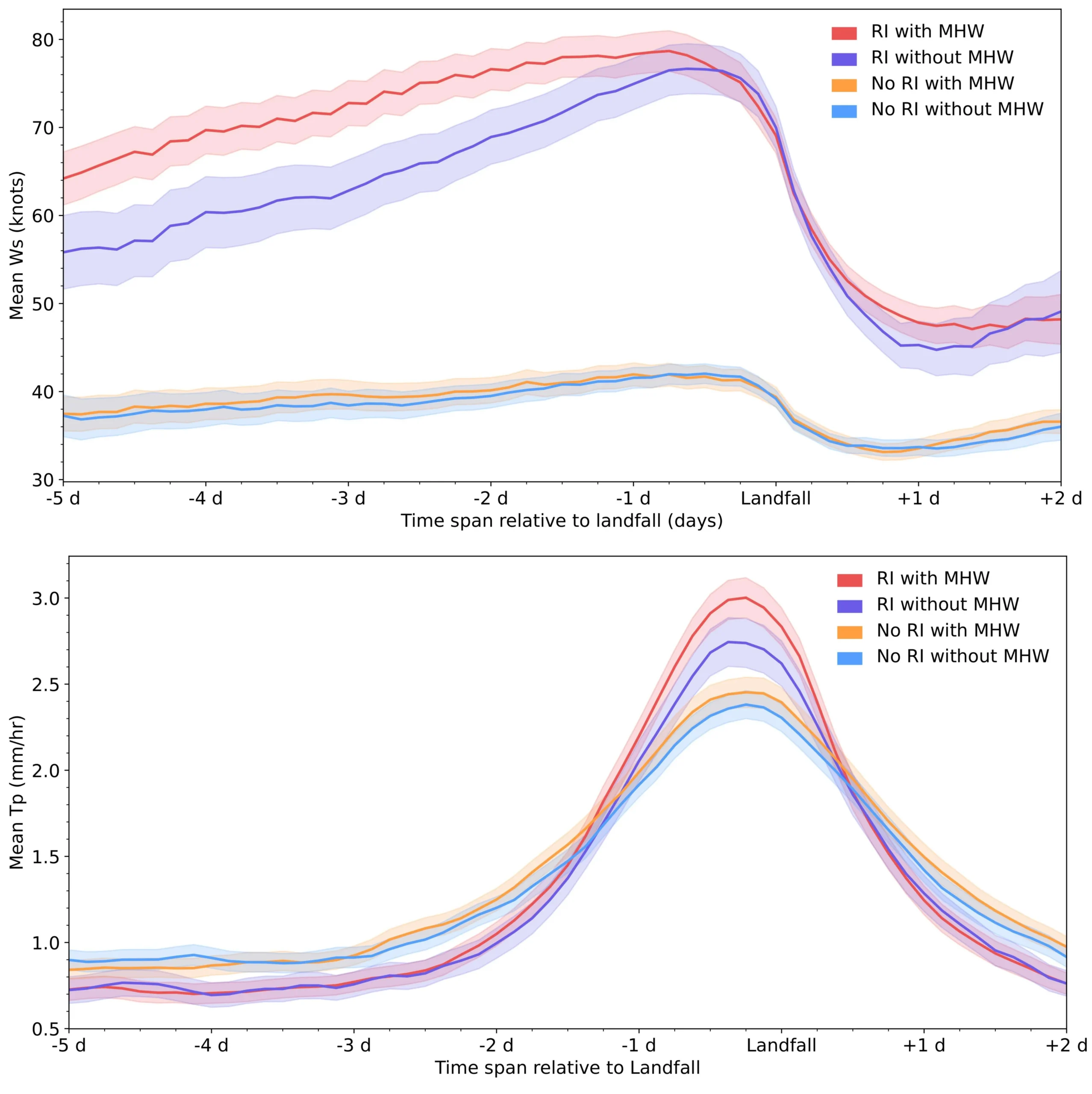
Recent research has unveiled a startling correlation between marine heatwaves and the escalating economic toll of tropical cyclones. A comprehensive study published in the journal Science Advances evaluates nearly 800 tropical cyclones that have occurred globally from 1981 to 2023. The findings reveal that storms which rapidly intensify while traversing unusually warm ocean waters can incur economic damages almost double that of their counterparts. Specifically, these storms are responsible for an eye-opening 93% increase in economic losses. The implications of this research are profound, as they underscore the urgent need for enhanced forecasting and preparedness strategies in the face of a warming climate.
Rapid intensification of tropical cyclones, a phenomenon defined as a swift increase in wind speed of at least 30 knots, significantly elevates the storm's destructive potential. Tropical cyclones, which include hurricanes, cyclones, and typhoons depending on their region, are already known for their capacity to wreak havoc upon landfall. The economic ramifications of these storms are severe, contributing to six of the top ten most financially damaging disasters recorded between 1900 and 2024, according to the climate catastrophe insights from Aon. The study reveals that high winds, torrential rainfall, and devastating storm surges are key contributors to these losses, and rapid intensification acts as an amplifying factor in this equation.
Marine heatwaves, periods of abnormally high ocean temperatures, are increasingly prevalent due to climate change. These warm waters serve as a fuel source for tropical cyclones, enhancing their strength and increasing the likelihood of rapid intensification. Dr. Hamed Moftakhari, an associate professor of civil engineering at the University of Alabama and one of the authors of the study, likens marine heatwaves to a gas station for storms, stating that abundant hot water supercharges cyclones as they pass over it. The interaction between marine heatwaves and rapid intensification has not been globally assessed until now, leaving a significant gap in understanding how these two phenomena contribute to economic damages.
Utilizing the International Best Track Archive for Climate Stewardship (IBTrACS), the researchers identified 1,600 storms that made landfall during the study period. They matched 789 of these storms with economic loss data from the Emergency Events Database and other reputable sources, allowing for a deeper analysis of the relationship between marine heatwaves, rapid intensification, and economic impacts. The study found a modest rise in the number of marine heatwave-influenced cyclones globally since 1981, though with notable regional variations. The northern Atlantic Ocean, the north Indian Ocean, and the eastern Pacific Ocean's northern hemisphere basin exhibited clear upward trends, raising concerns about the future frequency and intensity of such storms in these regions.
The implications of this research extend beyond mere statistics; they signal an urgent reevaluation of current strategies for climate adaptation and disaster preparedness. As marine heatwaves are expected to become more frequent in a warming world, understanding their interactions with tropical cyclones is vital for mitigating future economic losses. The study suggests that policymakers and disaster management agencies should incorporate this knowledge into their planning processes, refining predictions and enhancing preparedness for the more intense storms that are likely to occur.
As the global community grapples with the realities of climate change, the findings of this study provide critical insights into how rising ocean temperatures can exacerbate the impacts of tropical cyclones. The dual threat of rapidly intensifying storms fueled by marine heatwaves presents a significant challenge for coastal communities and economies. By acknowledging and addressing the relationship between these phenomena, we can better equip ourselves to face an uncertain future, safeguarding both lives and livelihoods in the wake of increasingly ferocious tropical storms.