Exploring the Depths: New Discoveries and Challenges Beneath the Pacific Ocean
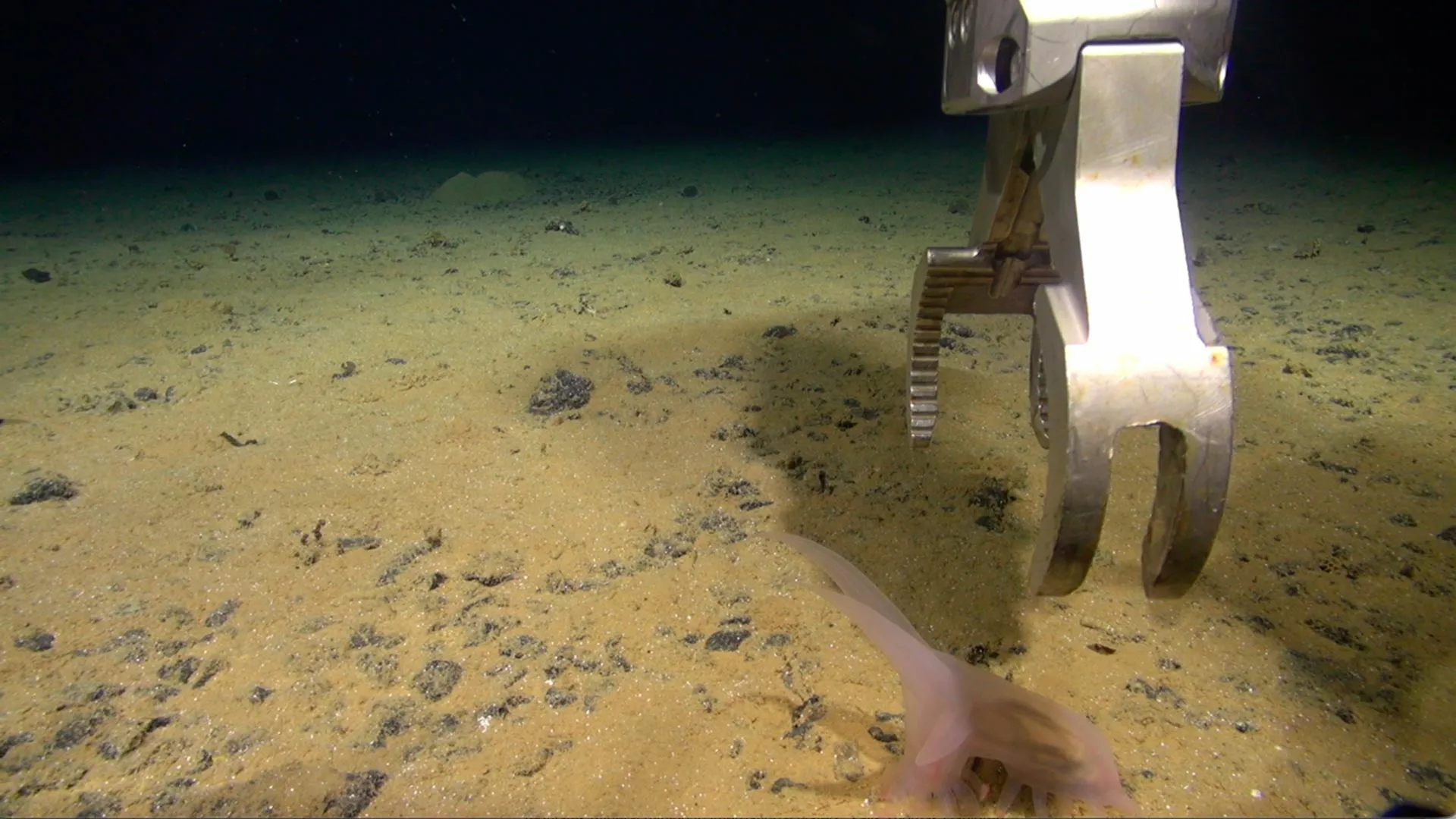
The Pacific Ocean, often perceived as a vast expanse of water, holds secrets beneath its surface, many of which remain undiscovered. Recent research has shed light on the rich biodiversity found on the deep seabed, revealing nearly 800 new species over an extensive five-year study. As demand for critical metals increases, the implications of these findings become crucial. The potential for deep-sea mining poses a double-edged sword, promising resource extraction while raising concerns for the fragile ecosystems that reside in one of the planet's most remote habitats.
Scientists embarked on this ambitious journey to explore the deep Pacific seabed, focusing on areas that may soon be subjected to mining operations. The allure of critical metals, such as cobalt and nickel, has intensified due to their essential roles in modern technology, particularly in the creation of batteries for electric vehicles and renewable energy systems. This growing demand has led to an urgent need for comprehensive assessments of the ecological impacts of potential mining activities. The research team dedicated 160 days at sea, deploying advanced technology and methodologies to document the diversity of life that thrives in these dark, cold environments, some of which have remained untouched by human activity until now.
The discovery of nearly 800 species, many of which are entirely new to science, emphasizes the richness of the deep-sea ecosystem. These findings not only highlight the complexity of life in these extreme conditions but also raise questions about the resilience of these organisms to external stressors, such as mining. The deep-sea environment is characterized by unique adaptations that allow life to flourish in conditions of high pressure, low temperatures, and complete darkness. Understanding these adaptations is essential, as they may hold keys to both biodiversity conservation and the sustainability of future resource extraction initiatives.
Test mining conducted during the study revealed some concerning trends. Although the overall impact on animal abundance and diversity was smaller than initially feared, the results indicated a significant reduction in both metrics. This suggests that even limited mining activities can disrupt established ecosystems, with the potential for long-term consequences that are not yet fully understood. The disturbance of habitats can lead to changes in community structure, species interactions, and the resilience of these ecosystems to future environmental changes, including climate fluctuations.
The importance of this research extends beyond the immediate findings. It provides a critical framework for informing policy decisions regarding deep-sea mining. The balance between resource extraction and environmental protection is delicate, and this study lays the groundwork for future regulations that could help mitigate the impacts of mining. Effective management strategies must be developed to ensure that these unique ecosystems are preserved while still allowing for sustainable resource utilization. Engaging with stakeholders, including scientists, policymakers, and industry representatives, is essential to create a comprehensive approach that prioritizes ecological integrity.
As the world grapples with the challenges of resource scarcity and the urgent need for sustainable development, the lessons learned from these deep-sea explorations are invaluable. The discoveries made in the Pacific Ocean serve as a reminder of the importance of protecting our planet's biodiversity, particularly in areas that are still relatively unexplored. Ongoing research will be crucial for understanding the full implications of human activities in these environments and for developing strategies to minimize harm. The ocean’s depths may hold answers to some of our most pressing challenges, but unlocking these secrets requires a commitment to conservation and responsible stewardship of our natural resources.