Global Climate Talks Stalled: IPCC Faces Challenges Over Assessment Timeline
The complexities of global climate negotiations have once again come to the forefront as the Intergovernmental Panel on Climate Change (IPCC) faces significant hurdles regarding the timeline for its upcoming seventh assessment report, known as AR7. A recent gathering in Bangkok, which saw around 330 delegates from over 100 nations convene, highlighted the stark divisions among countries on crucial issues, particularly regarding the publication schedule of the three-part report. This impasse not only reflects the ongoing struggle for consensus in addressing climate change, but also raises questions about the broader implications for international climate policy and action in the coming years.
At the heart of these discussions is the timeline for the AR7 reports, which will cover critical aspects of climate change including physical science, impacts and adaptation, and mitigation strategies. The reports are intended to inform global efforts and policies aimed at combating climate change, particularly in the wake of the second global stocktake process set to conclude in 2028. This process under the United Nations Framework Convention on Climate Change (UNFCCC) aims to assess collective progress toward the goals established in the Paris Agreement. However, ongoing disagreements have left the timeline for AR7 publication in a state of limbo, as previous meetings in Lima, Hangzhou, Sofia, and Istanbul failed to yield agreement.
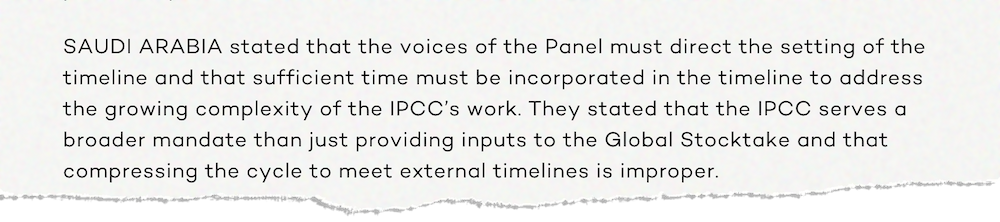
Discussions at the Bangkok meeting revealed a division between nations advocating for the early completion of the AR7 reports and those arguing for a prolonged timeline. A coalition of countries, representing both developed and developing nations, pushed for a synchronized release of the reports in 2028 to ensure their findings could directly inform the global stocktake. This alignment is seen as vital for enhancing the effectiveness of national climate commitments and ensuring they are based on the latest scientific evidence. In contrast, a group of nations, including China, India, and Saudi Arabia, expressed the need for additional time to review the reports before their publication, a stance that raises concerns about the timely availability of critical climate science to guide policy decisions.
The IPCC's chair, Professor Jim Skea, characterized the outcomes of the Bangkok meeting as "frustrating and disappointing." He noted that while some formal decisions were made, they largely served to defer critical decision-making rather than advance it. This sentiment underscores the challenging dynamics involved in international climate negotiations, where differing national interests often complicate the path to consensus. The failure to resolve these issues at IPCC-64 is not just an administrative setback; it reflects the broader tensions and competing priorities that nations face as they grapple with the urgent need for climate action amidst a backdrop of geopolitical instability and economic uncertainty, particularly in light of recent global energy shocks.
The importance of timely and cohesive climate science cannot be overstated. As countries prepare for the next round of climate negotiations, the findings from the AR7 reports are expected to play a pivotal role in shaping the narrative around climate change mitigation and adaptation strategies. The ongoing deadlock raises critical questions about the ability of the international community to rally around a common agenda as the climate crisis continues to intensify. The outcome of these discussions will not only dictate the future of the AR7 reports but will also have lasting implications for global climate governance, national policies, and ultimately, the health of our planet.
As the IPCC moves forward, informal consultations and contact groups have been established to explore potential pathways toward consensus. However, the skepticism expressed by some delegations regarding the effectiveness of informal discussions highlights the challenges ahead. The need for a structured and inclusive dialogue remains paramount, as countries must work collaboratively to bridge their differences and prioritize the urgent need for climate action. As the clock ticks down to the next global stocktake, the stakes have never been higher. The hope is that nations can find common ground to ensure that the IPCC's AR7 reports are not only timely but also serve as a cornerstone for meaningful climate action in the years to come.