Global Glaciers in Crisis: The Alarming Decline of Ice Mass by 2025
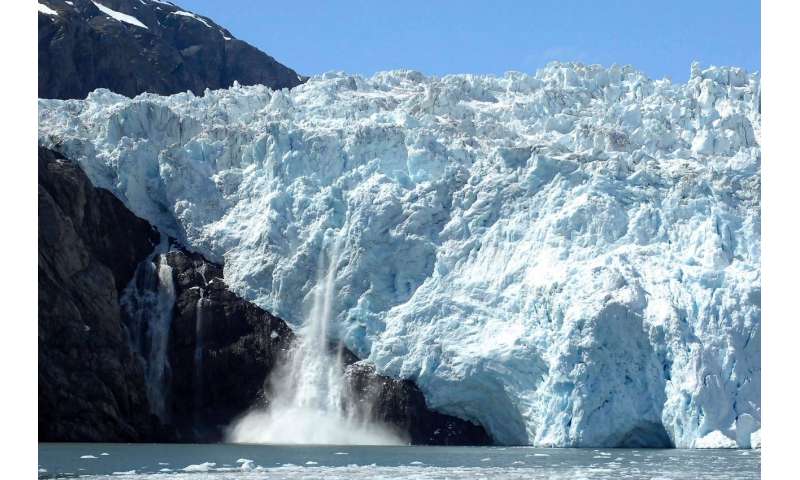
The world’s glaciers, once majestic symbols of nature's power, are facing unprecedented decline, raising alarm bells among climate scientists and environmentalists alike. A recent comprehensive study published in the Climate Chronicles series of Nature Reviews Earth & Environment reveals that 2025 marked one of the most catastrophic years on record for global ice loss. This alarming trend highlights not only the urgent effects of climate change but also poses significant implications for global sea levels, ecosystems, and human livelihoods.
The study showcases a detailed assessment of glacier mass change across the globe, demonstrating that glaciers are losing ice at an accelerating rate primarily due to rising temperatures. Over the past few decades, climate change has intensified, resulting in warmer atmospheric and oceanic conditions. As a direct consequence, glaciers are melting faster than they can replenish through snowfall, creating a concerning imbalance. This process is most pronounced in regions such as the Himalayas, the Andes, and the polar regions, where glacial retreat is visible to the naked eye.
The implications of this rapid glacial decline are multi-faceted and deeply concerning. Glaciers serve as vital freshwater reservoirs, supplying water to millions of people around the world. As these ice masses continue to shrink, communities that rely on glacial meltwater for drinking, agriculture, and hydropower face increasing vulnerability. Particularly in densely populated regions of Asia, such as India and Pakistan, the reduction of glacial sources threatens agricultural productivity and water security, which could lead to heightened geopolitical tensions as nations vie for dwindling resources.
From an ecological perspective, glacial melt impacts not only human populations but also a multitude of species that depend on these environments. As glaciers recede, habitats are altered, and the delicate ecosystems that thrive in cold environments face disruption. Species such as the snow leopard and various endemic plant species may be unable to adapt quickly enough to the changing conditions, leading to declines in biodiversity. The loss of glaciers also contributes to rising sea levels, which poses a threat to coastal communities globally. Even a slight increase in sea level can have devastating effects, from flooding to increased saltwater intrusion, jeopardizing freshwater supplies and agriculture in low-lying areas.
The recent findings underscore the urgent need for action to mitigate climate change. While the world has made some strides in addressing greenhouse gas emissions, the pace and scale of these efforts remain insufficient to counteract the rapid changes occurring in the climate system. Policymakers and scientists are calling for enhanced international collaboration to implement sustainable practices, reduce carbon footprints, and protect vulnerable ecosystems. Public awareness and education about the significance of glaciers and their role in the global climate system are also crucial for motivating collective action.
In conclusion, the findings from this pivotal study shine a spotlight on a critical aspect of climate change that requires immediate attention. The rapid decline of glaciers worldwide, with 2025 marking a particularly devastating milestone, serves as a stark reminder of the ongoing environmental crisis. By understanding the implications of this phenomenon and committing to proactive measures, society can work towards a more sustainable future, safeguarding not only glaciers but also the myriad of life and resources that depend on them.