Gray Whales Face New Challenges as Migration Patterns Shift to San Francisco Bay
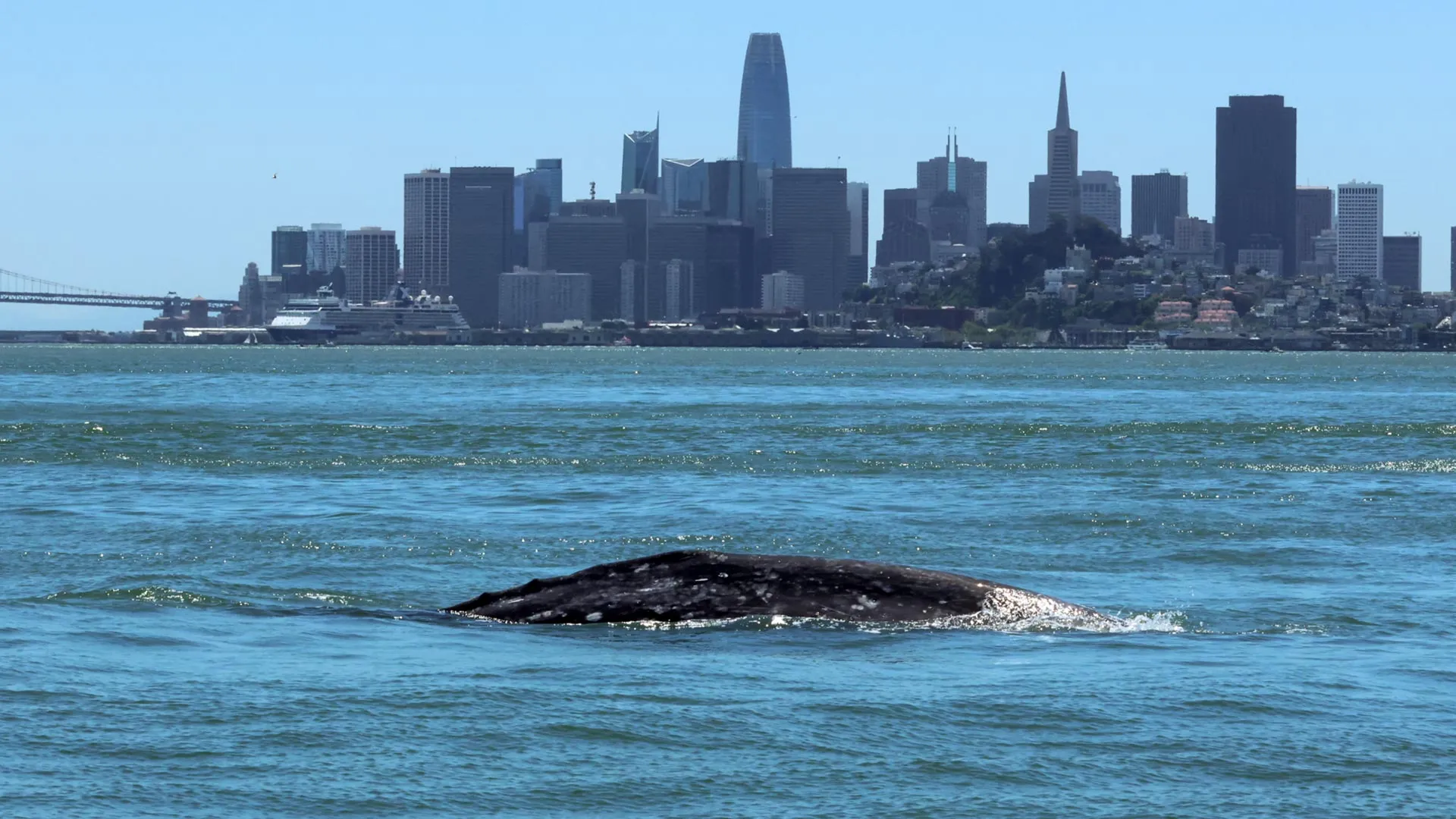
The majestic gray whales, known for their long migrations from the Arctic to warmer waters, are facing unprecedented challenges as they alter their traditional pathways. Recent observations indicate a notable increase in these marine giants entering San Francisco Bay, a significant deviation from their established migratory routes. This shift raises alarms among scientists and conservationists alike, as it highlights the broader impacts of climate change on marine ecosystems and the species that rely on them.
The primary driver behind this change appears to be the disruption of the gray whales' food supply in their Arctic feeding grounds. As climate change accelerates, the Arctic regions are experiencing rapid warming, leading to shifts in the distribution and availability of essential prey such as amphipods. The loss of sea ice and changes in oceanic conditions are forcing gray whales to adapt their foraging strategies, often leading them into more populated and hazardous waters like San Francisco Bay. This not only complicates their feeding habits but also exposes them to new risks that threaten their survival.
Recent studies have revealed that nearly one in five gray whales entering the Bay do not make it out alive. Collisions with vessels present a significant threat, particularly in the busy and often foggy waters of the Bay. Ship traffic in San Francisco is notoriously heavy, and the combination of reduced visibility and the whales' unexpected presence creates a perilous situation. The stark reality is that these gentle giants, which can reach lengths of up to 50 feet and weigh as much as 40 tons, are vulnerable to human activity in ways that were not previously anticipated. This alarming statistic underscores the urgent need for wildlife management strategies that account for the changing behaviors of these animals.
The implications of gray whales' altered migration patterns extend beyond the immediate threats they face. The presence of these whales in San Francisco Bay can disrupt local ecosystems and affect other marine species. For example, the competition for food resources may intensify as gray whales seek nourishment in areas traditionally inhabited by smaller marine mammals and fish. This shift also poses a challenge for researchers and conservationists who must adapt their strategies to protect both the whales and the delicate balance of marine life in the Bay.
Efforts are underway to mitigate the risks associated with gray whale entries into San Francisco Bay. Various organizations are exploring the implementation of vessel speed restrictions and better navigation practices to reduce the likelihood of collisions. Additionally, public awareness campaigns aim to educate boaters and the general public about the presence of these whales and the importance of marine conservation. By fostering a culture of respect and care for marine life, communities can play a vital role in ensuring the safety and sustainability of these magnificent creatures.
The challenges faced by gray whales in San Francisco Bay serve as a stark reminder of the broader impacts of climate change on marine ecosystems. As temperatures rise and habitats shift, many species will be forced to adapt to new environments, often with perilous consequences. Understanding the complexities of these changes is crucial for developing effective conservation strategies. Continuous research and monitoring are essential to grasp the full scope of how climate change is reshaping the lives of gray whales and other marine species. As stewards of the oceans, humanity must rise to the challenge of protecting these magnificent creatures and their habitats, ensuring that they can continue to thrive in a rapidly changing world.