How Extreme Weather Patterns Are Impacting the Survival of Nesting Birds
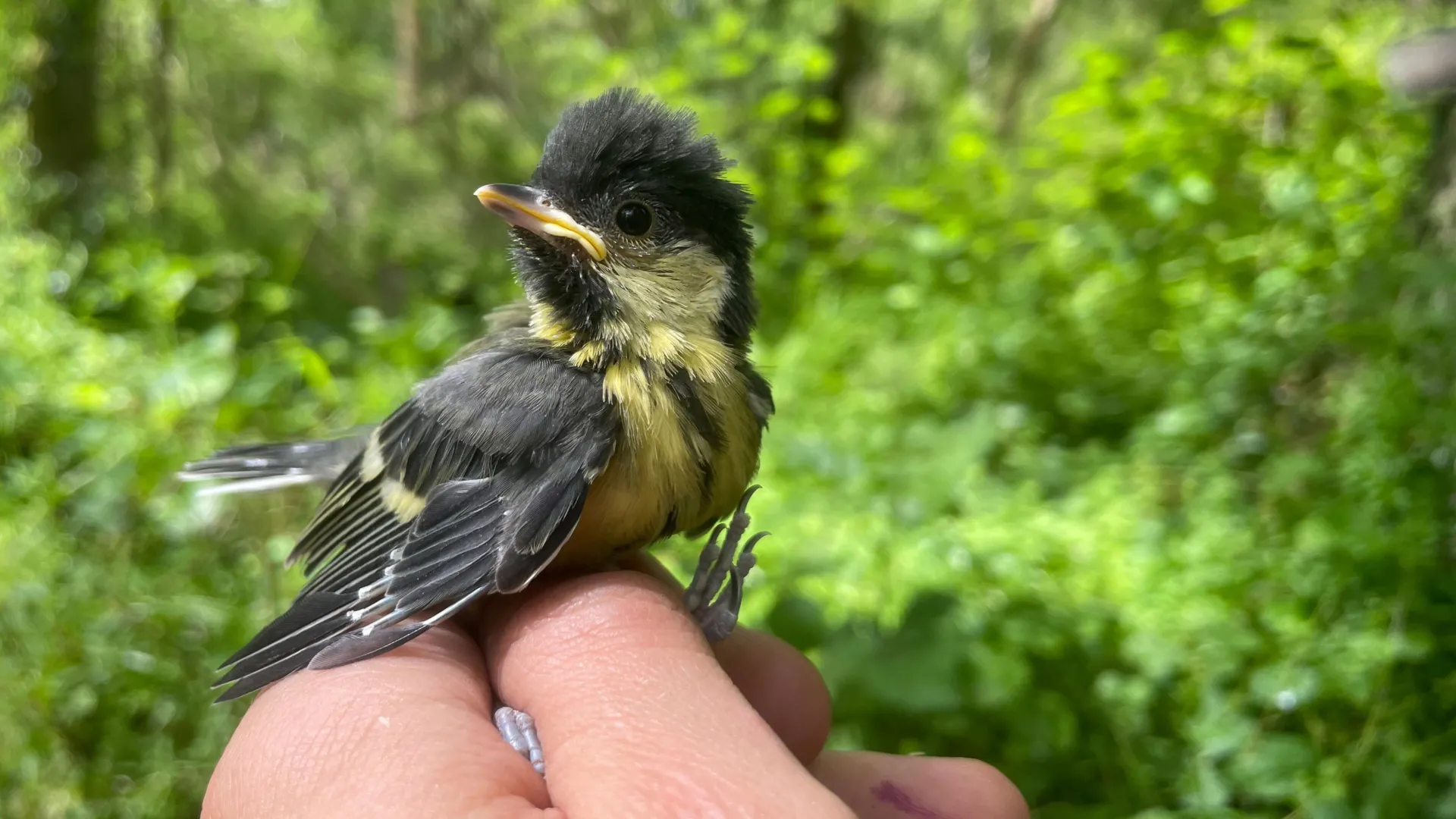
A recent long-term study spanning sixty years has unveiled the profound effects of extreme weather on the survival of baby birds, particularly focusing on the great tit species. This comprehensive analysis, which includes data from over 80,000 individual birds, highlights how climatic fluctuations can significantly influence the fate of nestlings. It is crucial to recognize that the trends observed in this research mirror broader ecological changes driven by climate change, offering insights into the challenges faced by avian species in a rapidly warming world.
Extreme weather events manifest in various forms, including sudden cold snaps and heavy rainfall, both of which pose significant threats to young birds in their critical early stages of development. For instance, cold spells that occur shortly after hatching can drastically reduce the body mass of nestlings. This reduction in body mass is not merely a matter of size; it directly correlates with the survival rates of these young birds. Heavier nestlings tend to have better chances of surviving to fledging, as they are more resilient to the rigors of predation and the challenges presented by their environment. The study underlines how these weather extremes can create a precarious balance for the survival of species that depend on specific environmental conditions.
Heavy rainfall later in the development of nestlings can also have detrimental effects. Excess moisture can lead to conditions that are unfavorable for feeding, as the abundance of insects, a primary food source for young birds, can be adversely affected. When the ground is saturated, insect activity tends to decrease, thereby limiting the food available for hungry chicks. The availability of food is critical during the nestling stage, where rapid growth is necessary for the young birds to develop the strength needed to leave the nest. The study illuminates how adverse weather can disrupt the delicate feeding dynamics, ultimately impacting the overall health and survival of the next generation of birds.
Interestingly, the research also reveals a silver lining in the form of moderate warm spells. These temporary periods of increased temperatures can enhance insect activity, providing a boost in feeding opportunities for nestlings. This phenomenon helps counteract some of the negative impacts of colder or wetter conditions. Birds that breed earlier in the season benefit from these warm spells, as they are more likely to capitalize on the peak insect abundance, leading to healthier and more robust chicks. The timing of breeding is thus shown to be a critical factor in the resilience of bird populations, providing a strategic advantage against the unpredictability of weather extremes.
The findings of this study have significant implications, particularly in the context of global climate change. As weather patterns continue to shift, the frequency and intensity of extreme weather events are expected to rise, posing increasing risks to various wildlife species. With birds being sensitive indicators of environmental health, understanding their responses to these changes can provide essential insights into the broader implications for ecosystem stability. Conservation efforts may need to adapt to these emerging challenges by focusing on timing and habitat management to mitigate the impacts of extreme weather on vulnerable species.
As we reflect on the lessons from this extensive research, it becomes evident that the future of many bird species may depend on our ability to understand and respond to climatic changes. The study of great tits serves as a poignant reminder of the interconnectedness of climate, ecology, and the survival of species. Effective conservation strategies must consider not only the immediate threats posed by extreme weather but also the long-term impacts of changing climate patterns on breeding success and nestling survival. By prioritizing research and conservation efforts that account for these dynamics, we can help ensure the resilience of bird populations in the face of an uncertain future.