India's New Climate Pledge: A Transformative Step Toward Sustainable Development
India has recently unveiled an ambitious new target aimed at reducing its emissions intensity by 47% below 2005 levels by the year 2035. This announcement, which constitutes a crucial update to India's nationally determined contributions (NDC) under the Paris Agreement, comes at a time of growing global concern over climate change and its far-reaching impacts. The pledge was made public in a government press release on March 25, following approval from the Indian cabinet. It is noteworthy that the release of this NDC had been anticipated since last year, creating significant interest among environmentalists, policymakers, and the general public alike.
The updated commitment from India, which stands as the world's third-largest emitter of greenhouse gases, arrives during a period marked by an ongoing global energy crisis, exacerbated by geopolitical tensions such as the conflict in Iran. This crisis has led to considerable gas shortages in India, highlighting the urgent need for a shift toward more sustainable energy sources. In addition to its emissions intensity target, India has committed to ensuring that non-fossil energy sources will account for 60% of its installed electricity-generating capacity by 2035. This represents a substantial increase from the previous target of approximately 50% by 2030, reflecting a clear intention to transition toward renewable energy sources.
One of the most significant aspects of India's updated climate pledge is the increased commitment to carbon sinks, primarily forests, which are vital in the battle against climate change. The government aims to enhance the amount of carbon dioxide absorbed by these natural resources. This is the first increase in such targets since India initially pledged to the Paris Agreement, underlining a growing recognition of the importance of natural ecosystems in mitigating climate change impacts. However, some critics have raised concerns that while these targets may appear ambitious on the surface, they may not fully capture India's potential for clean energy growth. There is apprehension that the targets set may inadvertently allow for an acceleration in emissions and fail to adequately address deforestation issues.
The specifics of India's new climate pledge have sparked discussions about the implications for the country's energy sector and broader environmental policies. The emissions intensity target, although a step forward, presents a complex challenge. It allows for the possibility that as India's economy continues to expand, total emissions may still rise even if emissions per unit of economic output decline. This target is contingent on several factors, including the overall size of India's economy in 2035, which the International Energy Agency (IEA) suggests will grow at an average rate of 6.1% per year, more than any other major country. Critics argue that this growth could result in limited real reductions in emission levels, potentially undermining the effectiveness of the pledge.
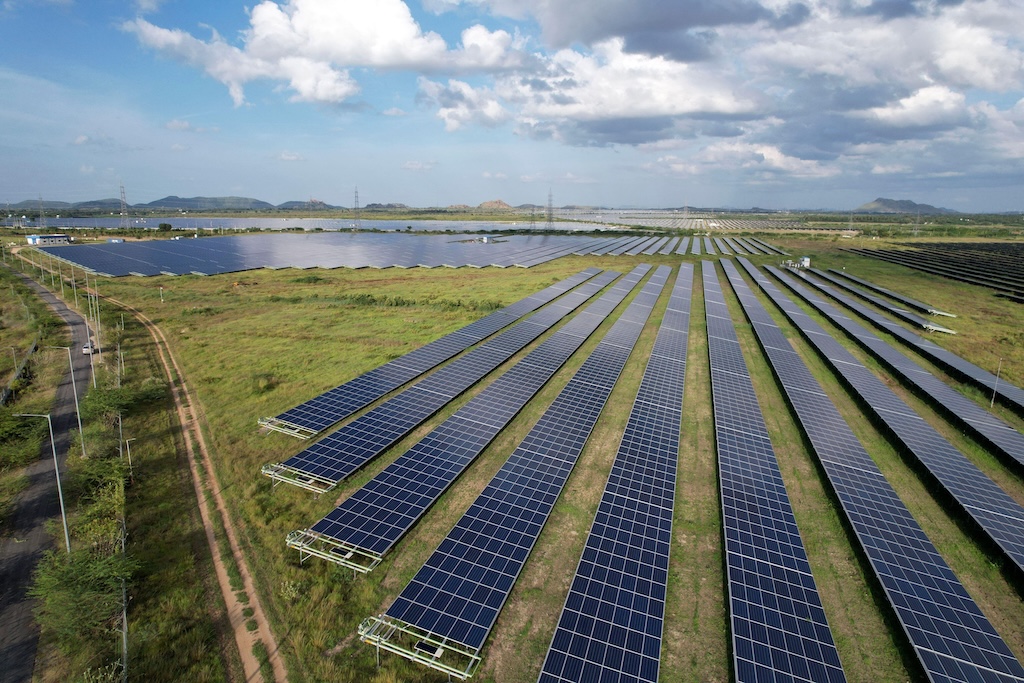
The commitment to achieve 60% non-fossil fuel energy sources by 2035 is seen as a positive development in the context of India's energy transition. The country's progress in renewable energy capacity has been notable, with existing policies likely sufficient to meet this new goal ahead of schedule. Reports indicate that as of early 2026, non-fossil sources already constituted over 52% of India's installed capacity, and projections suggest that reaching 70% by 2035 could be achievable. This shift toward renewable energy not only addresses climate change but also enhances energy security and resilience against global energy market fluctuations.
Despite the potential benefits, the political landscape surrounding India's climate commitments is complex. The new pledge arrives amid diverse reactions from climate experts and stakeholders. Some have praised India for taking a proactive stance, arguing that the country is contributing more than its fair share to global climate efforts, particularly considering its relatively low historical emissions. Others, however, emphasize that the targets might not fully capitalize on India's potential for clean energy innovation and could lead to missed opportunities for more ambitious climate action. As the international community awaits the formal publication of India's NDC by the United Nations, the significance of this pledge cannot be overstated. It marks a critical juncture in India's climate strategy and its role in the global fight against climate change, underscoring the importance of balancing economic growth with environmental sustainability.