Land, Not Oceans, Is the Overwhelming Source of the Microplastics Drifting Through Earth's Atmosphere
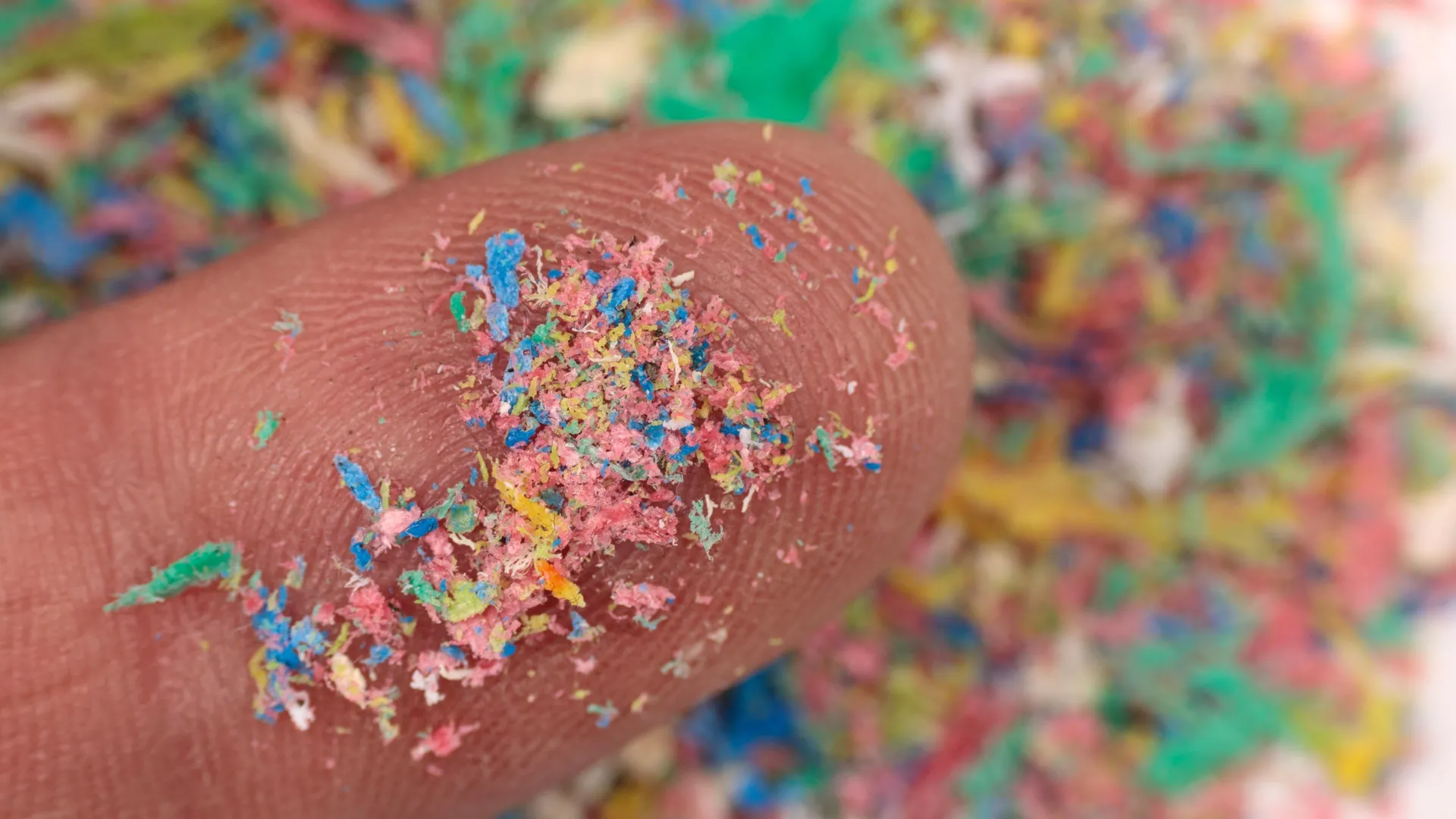
Microplastic pollution has become one of the most pervasive environmental legacies of the plastic age, turning up in Arctic snow, the bottom of the Mariana Trench, human placentas, and the high atmosphere above remote mountain ranges. Until recently, researchers believed that much of the plastic drifting on the winds originated from the surface of the ocean, where foam generated by breaking waves was assumed to fling tiny fragments into the air. A new and carefully constructed study has now overturned that picture, concluding that land based sources emit more than twenty times as many microplastic particles into the atmosphere as the oceans do. The findings force a reassessment of global plastic budgets and highlight the primacy of terrestrial emissions in addressing the problem.
The research team combined high resolution atmospheric modeling with updated emission inventories drawn from traffic wear, textile shedding, agricultural films, construction dust, and waste handling. Tire wear alone emerged as one of the largest single sources, because every rotation of a tire grinds off tiny rubber fragments that mix with asphalt and brake dust. Synthetic fibers released during laundry cycles, particularly from fleece and athletic wear, contribute another substantial flux, as do dust plumes rising from landfills, construction sites, and dry agricultural fields coated with plastic mulch. Once airborne, these particles can remain aloft for days and travel thousands of kilometers, explaining why even pristine high altitude environments show measurable contamination.
Another equally important finding concerns the total mass of plastic in the atmosphere. Previous studies suggested that hundreds of thousands of tons of microplastic were circulating through the global air mass at any given time. The new analysis concludes that earlier estimates were substantially too high, in some cases by a factor of three or more. The correction reflects improved accounting for how quickly particles fall out of the atmosphere after being lofted, and better representation of the physical processes that scavenge fragments into rainfall and onto vegetation. A smaller standing inventory does not mean the problem is less serious, it simply means that emissions are continuously replenishing a pool of airborne particles that are rapidly redistributed.
Scientists have been concerned for years about the potential health consequences of inhaled plastic particles, especially at the nanoscale where fragments can cross biological membranes more easily. Epidemiological evidence is still emerging, but laboratory studies have linked chronic exposure to inflammation, oxidative stress, and disruption of endocrine signaling. Workers in textile factories, tire manufacturing plants, and waste processing facilities are likely to face higher exposures than the general public, and populations living close to busy roads or industrial corridors may also be affected. Understanding the true sources and sinks of airborne microplastics is therefore not simply an academic exercise, it is essential for designing interventions that target the pathways of greatest risk.
The implications for policy are substantial. If the ocean were the main source of atmospheric microplastics, the path forward would lie primarily in reducing the amount of plastic flowing into the sea, which is already a focus of international negotiations. Because land is the dominant source, however, reductions will require a far broader agenda that reaches into transportation, textiles, agriculture, waste management, and urban planning. Potential measures include improved tire formulations that shed less material, filters on washing machines and in urban stormwater systems, restrictions on single use plastics, better capture of fugitive emissions from landfills, and research into substitutes for plastic mulches in agriculture. Each intervention will have its own costs and tradeoffs, and effective policy will need to weigh them against the scale of the exposure they prevent.
Looking ahead, the new estimates provide an essential baseline for monitoring progress. Plastic production is projected to continue growing over the coming decades, which means that without decisive action the pool of atmospheric particles will expand even if individual emission rates hold steady. International negotiations on a Global Plastics Treaty, currently underway, could set binding limits on virgin plastic production and require producers to take responsibility for the full life cycle of their products. Whether the treaty ultimately reflects the science outlined in this research will depend on how forcefully governments respond to the revised picture of where the plastic in our air actually comes from. For the public, the study is a reminder that the plastic problem is not someone else's beach, it is the road outside the front door, the laundry room down the hall, and the farmland beyond the city limits.
Public awareness of the microplastic issue has grown rapidly over the past decade, driven by striking images of plastic pollution in oceans and waterways and by health concerns that hit close to home. The new findings may shift some of that attention away from beach cleanups and bottle deposit schemes toward more systemic questions about how the economy produces and manages plastic. Individual choices such as reducing single use purchases and choosing natural fibers still matter, but they will not suffice without complementary changes in urban transport systems, agricultural practices, and industrial regulation. The picture that emerges is one of a problem deeply embedded in the way modern societies work, requiring a response that is similarly integrated and sustained across every sector that touches the plastic life cycle.