Meet the New Voices of Climate Science: Carbon Brief's 2026 Contributing Editors
Carbon Brief, a leading source of climate science and policy news, is enhancing its editorial team with a selection of distinguished academics for the 2026 cohort of contributing editors. This team is composed of experts across various fields, including climate science, biodiversity, energy, and policy. Their role is pivotal in ensuring that the platform remains at the forefront of climate discourse by keeping abreast of the latest scientific findings and policy developments. Each contributing editor brings a unique set of skills and experiences that will not only enrich the content of Carbon Brief but also help maintain the integrity of the information provided to readers.
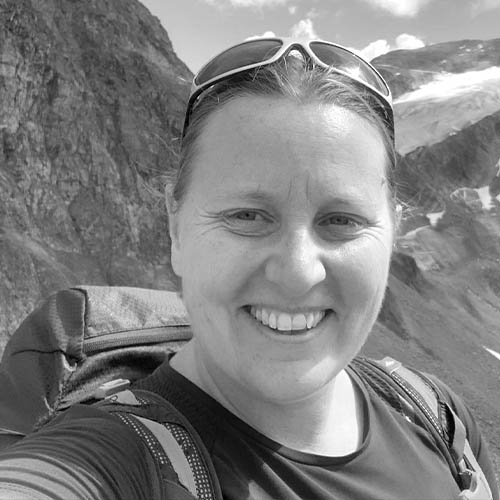
Prof. Bethan Davies, a prominent glaciologist from Newcastle University, leads the charge in understanding the complexities of glacial responses to climate change. Her extensive work spans multiple geographical regions, including Antarctica and the British-Irish Ice Sheet, where she investigates how these ice masses are influenced by rising global temperatures. As a lead author for the Intergovernmental Panel on Climate Change's upcoming seventh assessment report, Prof. Davies is at the cutting edge of climate science. Her insights will be invaluable for Carbon Brief, especially considering the critical role that glaciers play in global sea level rise and climate feedback mechanisms. Additionally, her leadership in initiatives like the Diversity in Polar Science Initiative underscores her commitment to broadening the representation of voices within the scientific community.
Dr. Joanna Depledge brings over two decades of experience in environmental negotiations to the editorial team. As a fellow at the Cambridge Centre for Environment, Energy and Natural Resource Governance, she possesses a wealth of knowledge about the intricacies of global climate policy. Having worked directly with the UN Framework Convention on Climate Change, Dr. Depledge has a nuanced understanding of international climate agreements and their implications for national policies. Her involvement with Cambridge Zero and the production gap report positions her as a key figure in discussions surrounding climate action and mitigation strategies. Her expertise will help Carbon Brief navigate the often-complex intersections of science, policy, and public discourse.
Dr. Gabriela Di Giulio, with her academic background that bridges journalism and environmental science, offers a unique perspective on the dynamic interplay between society and climate change. As an associate professor at the University of São Paulo, her research delves into how environmental crises shape socio-cultural contexts. This is particularly relevant as communities worldwide grapple with the impacts of climate change. Her focus on climate adaptation and communication of risks will enhance Carbon Brief's ability to address the societal dimensions of climate science, promoting a more holistic understanding of the challenges we face.
Prof. Erich Fischer, a climate scientist at ETH Zurich, has dedicated his research to analyzing changes in climate extremes and their human impacts. With his experience as a lead author for the most recent IPCC assessment reports, Prof. Fischer's contributions will be crucial in contextualizing the scientific data within broader climate narratives. His work on attribution science, understanding the links between climate change and specific weather events, will allow Carbon Brief to provide readers with clearer insights into how climate change manifests in real-world scenarios. The ability to translate complex scientific findings into accessible language is essential for fostering an informed public and enabling effective climate action.
The expertise of Prof. Sabine Fuss, a leader at the Potsdam Institute for Climate Impact Research, further strengthens the editorial team. Her focus on sustainable resource management and climate change mitigation underscores the importance of finding actionable solutions to pressing environmental challenges. As a lead author on the IPCC’s special report on 1.5 degrees Celsius, she has firsthand experience in addressing the urgent need for carbon dioxide removal strategies. Her insights into sustainable development and rainforest conservation will help Carbon Brief highlight innovative approaches to mitigating climate impacts and promoting resilience in vulnerable ecosystems.
With the inclusion of Dr. Kirsten Mayer, a scientist at the National Center for Atmospheric Research, the team gains expertise in machine learning applications within climate science. Her research aims to improve predictability within the Earth system, particularly on subseasonal and longer timescales. This cutting-edge approach is vital as the climate crisis intensifies, and the need for accurate forecasting becomes increasingly critical. Dr. Mayer’s work will enable Carbon Brief to present nuanced predictions about future climate scenarios, empowering readers to understand the potential trajectories of climate change.
Dr. Albert Salamanca and Dr. Christopher Trisos round out the cohort, each bringing their specialized knowledge in climate adaptation and risk management. Dr. Salamanca’s focus on strengthening the research-policy interface in Southeast Asia addresses a region that is particularly vulnerable to climate impacts. Meanwhile, Dr. Trisos’ leadership of the Climate Risk Lab at the University of Cape Town emphasizes the importance of integrating climate risk assessments into development planning across Africa. Together, this diverse group of contributing editors will provide Carbon Brief with a rich tapestry of knowledge and insights, ensuring that the platform continues to be a trusted source for readers seeking to understand the complexities of climate science and policy.
In conclusion, the appointment of this new cohort of contributing editors is a significant step for Carbon Brief as it seeks to enhance its editorial rigor and relevance in the ever-evolving landscape of climate science and policy. Each editor brings a wealth of experience and a unique perspective that will inform and educate readers about the crucial challenges and opportunities that lie ahead in the fight against climate change. As the impacts of climate change become more pronounced, the need for accurate, timely information has never been more critical. The contributions of these esteemed academics will undoubtedly help illuminate the path forward in addressing one of the most pressing issues of our time.