Microplastics: A Hidden Threat to Oceanic Carbon Absorption
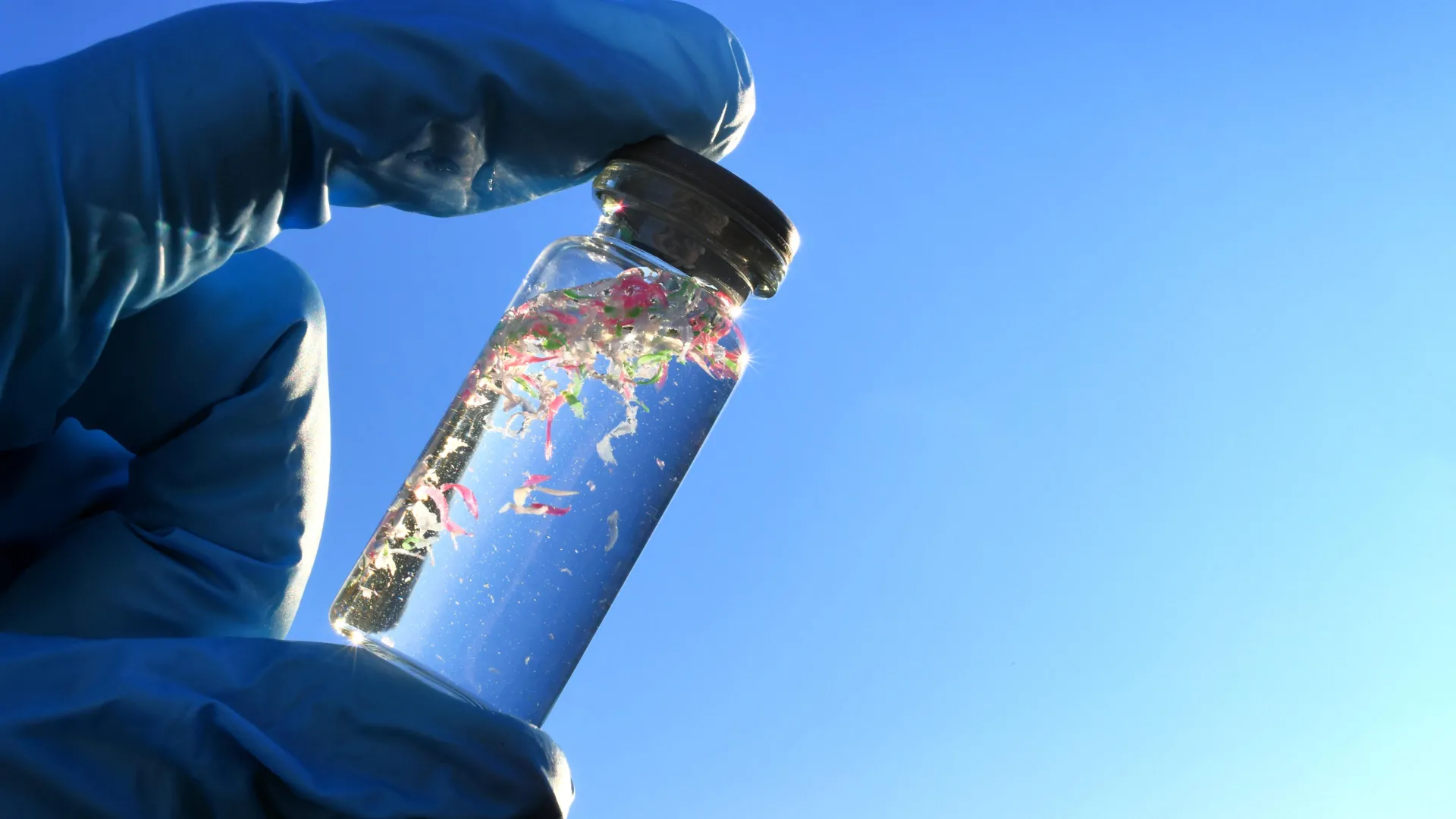
Recent scientific research has uncovered a troubling connection between microplastics and the ocean's ability to act as a carbon sink, a vital process in regulating global climate. Microplastics, tiny plastic particles less than five millimeters in size, have become ubiquitous in marine environments, infiltrating the food web and the delicate balance of ocean ecosystems. These pollutants not only pose a direct threat to marine life but also jeopardize the ocean's critical role in sequestering carbon dioxide from the atmosphere, a function that is essential in mitigating climate change.
The ocean is responsible for absorbing approximately one-third of the carbon dioxide emitted by human activities. This natural process involves a complex interplay of marine organisms, particularly phytoplankton and various microorganisms that utilize sunlight and nutrients to convert carbon dioxide into organic matter. However, the presence of microplastics disrupts these vital organisms in several ways. Studies show that microplastics can reduce the growth and reproductive rates of phytoplankton, thereby diminishing their population and, consequently, their capacity to absorb carbon dioxide. This interference poses a significant concern, as phytoplankton forms the foundation of the oceanic food web and plays a crucial role in the global carbon cycle.
Research has further indicated that as microplastics break down in the marine environment, they can release greenhouse gases such as methane and nitrous oxide. These gases are potent contributors to climate change, with their heat-trapping abilities significantly surpassing that of carbon dioxide. The breakdown of microplastics is accelerated by environmental factors such as sunlight and ocean currents, which lead to the fragmentation of these materials into even smaller particles. This process not only liberates harmful gases but also enhances the ocean's vulnerability to climate change, creating a feedback loop that could have devastating consequences.
The effects of microplastics extend beyond mere carbon absorption issues. They also pose hazards to marine biodiversity and ecosystems. Many marine species, from the smallest zooplankton to large fish and marine mammals, ingest microplastics, mistaking them for food. This ingestion can lead to physical harm, toxicological effects, and even mortality in some cases. Further, the accumulation of microplastics in the food chain raises concerns about human health, as these pollutants can ultimately find their way into seafood consumed by people. The implications of this bioaccumulation are a pressing concern for public health and food safety.
Addressing the microplastics crisis and its implications for the ocean's carbon absorption capabilities requires a multifaceted approach. Solutions range from improving waste management systems and reducing plastic production to promoting the use of biodegradable materials. On a larger scale, global cooperation is essential to develop policies that limit plastic pollution and enhance ocean conservation efforts. Research and monitoring of microplastic levels in oceanic ecosystems are also critical to understanding their long-term impact on marine life and the climate.
The scientific community emphasizes the urgency of addressing microplastics not only as a pollution issue but as a climate change challenge. The more we learn about the intricate connections between microplastics and the ocean's carbon cycle, the clearer it becomes that tackling plastic pollution is not merely an environmental concern, but a crucial step in the fight against climate change. Protecting the ocean's ability to sequester carbon effectively is vital for the health of the planet and the future of all life on Earth.