Microplastics: The Unseen Invaders of Our Forest Ecosystems
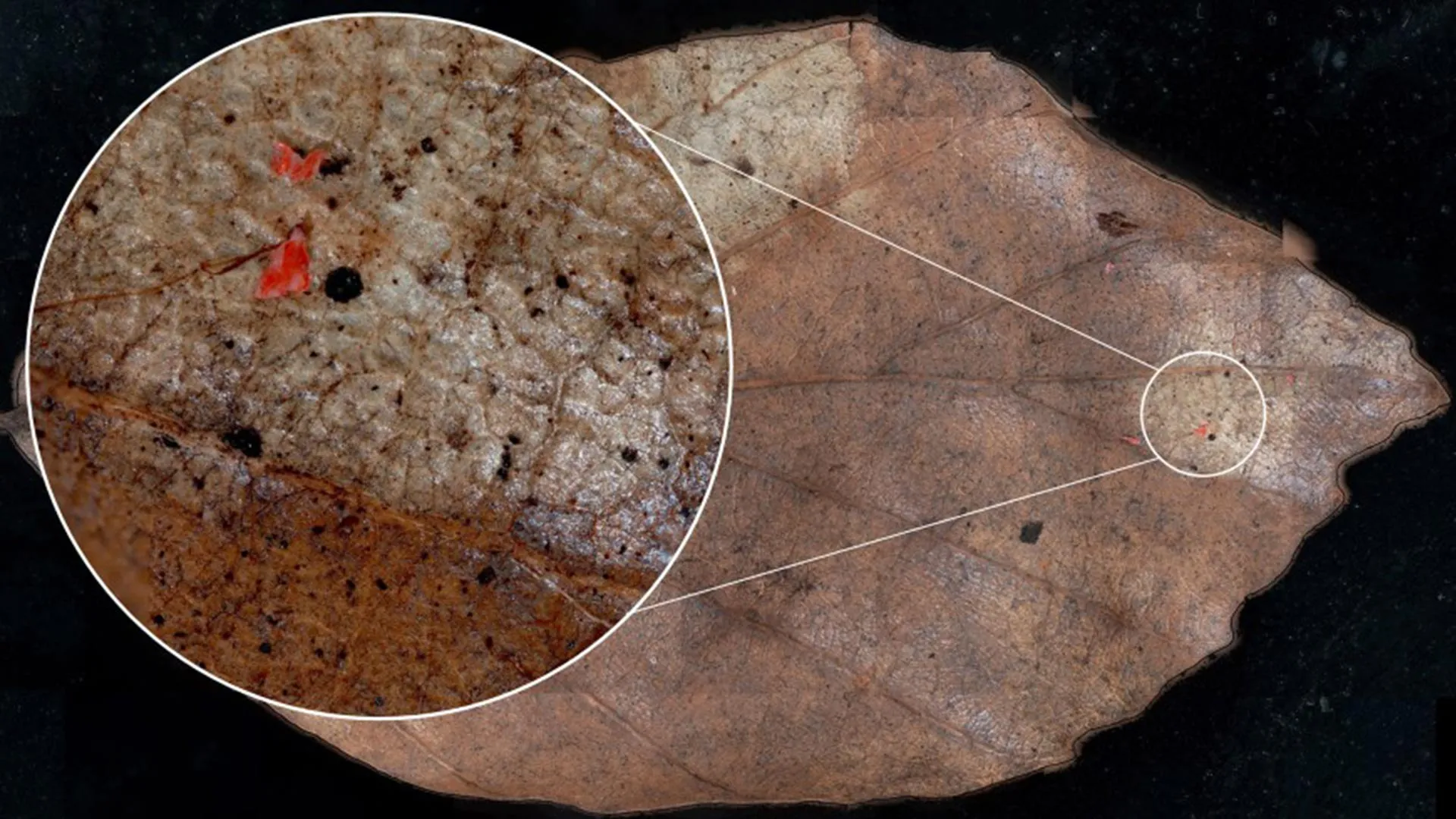
The environmental crisis surrounding microplastics has gained increasing attention over recent years. While much of the focus has been on their impact in oceans and urban settings, a more insidious threat is emerging in our forests. Recent research has unveiled that these tiny plastic particles are infiltrating forest ecosystems, raising alarming concerns about their long-term effects on biodiversity and soil health. The study highlights how microplastics, rather than being confined to urban landscapes and marine environments, have become airborne pollutants that settle on treetops, eventually making their way to the forest floor.
Microplastics, defined as plastic particles smaller than five millimeters, are pervasive in our environment. They stem from a variety of sources, including the degradation of larger plastic items, synthetic fibers from clothing, and microbeads found in personal care products. As these particles are released into the atmosphere, they can be carried over considerable distances through wind and precipitation. The findings from the recent study indicate that a significant portion of microplastics in forested areas is deposited via atmospheric transport, showcasing a pathway that has been largely overlooked until now.
Once microplastics settle on tree canopies, they can be washed down to the forest floor through rain, falling leaves, and other natural processes. This cycle raises important questions about how microplastics interact with forest ecosystems and the implications for soil health. Trees play a crucial role in carbon sequestration, water regulation, and providing habitats for countless species. The accumulation of microplastics in soils could interfere with these vital functions. For instance, as leaves decay, they can encase or even break down these plastic particles, effectively burying them deeper into the soil. The long-term consequences of such interactions remain largely unexplored, suggesting a pressing need for further research in this area.
The discovery of microplastics in forests also prompts a reevaluation of our understanding of ecological resilience. Forests have long been recognized as critical buffers against climate change, absorbing carbon dioxide and supporting diverse ecosystems. However, the introduction of microplastics could disrupt these natural processes, potentially affecting plant growth and the microorganisms that thrive in soil. The presence of these pollutants may hinder nutrient cycling, impact water retention, and alter the relationships between plants and soil organisms, which are vital for maintaining healthy forest ecosystems.
Addressing the issue of microplastics in forests requires a multi-faceted approach. It is crucial to develop stringent regulations on plastic production and waste management, alongside public awareness campaigns to educate communities about the importance of reducing plastic use. Moreover, scientists must continue to investigate the sources, distribution, and ecological impacts of microplastics in various environments, including forests. This research will be essential in formulating effective strategies to mitigate pollution and safeguard our natural resources.
The implications of microplastics infiltrating forest ecosystems extend beyond individual species or habitats. This issue reflects a broader environmental challenge that necessitates collective action. As forests continue to be recognized for their invaluable role in combating climate change and supporting biodiversity, understanding and addressing the threat posed by microplastics will be essential for ensuring the health and resilience of these critical ecosystems. The findings of this research underscore the urgent need for policies that prioritize environmental protection, conservation, and the promotion of sustainable practices that can help mitigate the pervasive issue of plastic pollution.