Mountains on the Rise: The Alarming Acceleration of Climate Change in High Altitudes
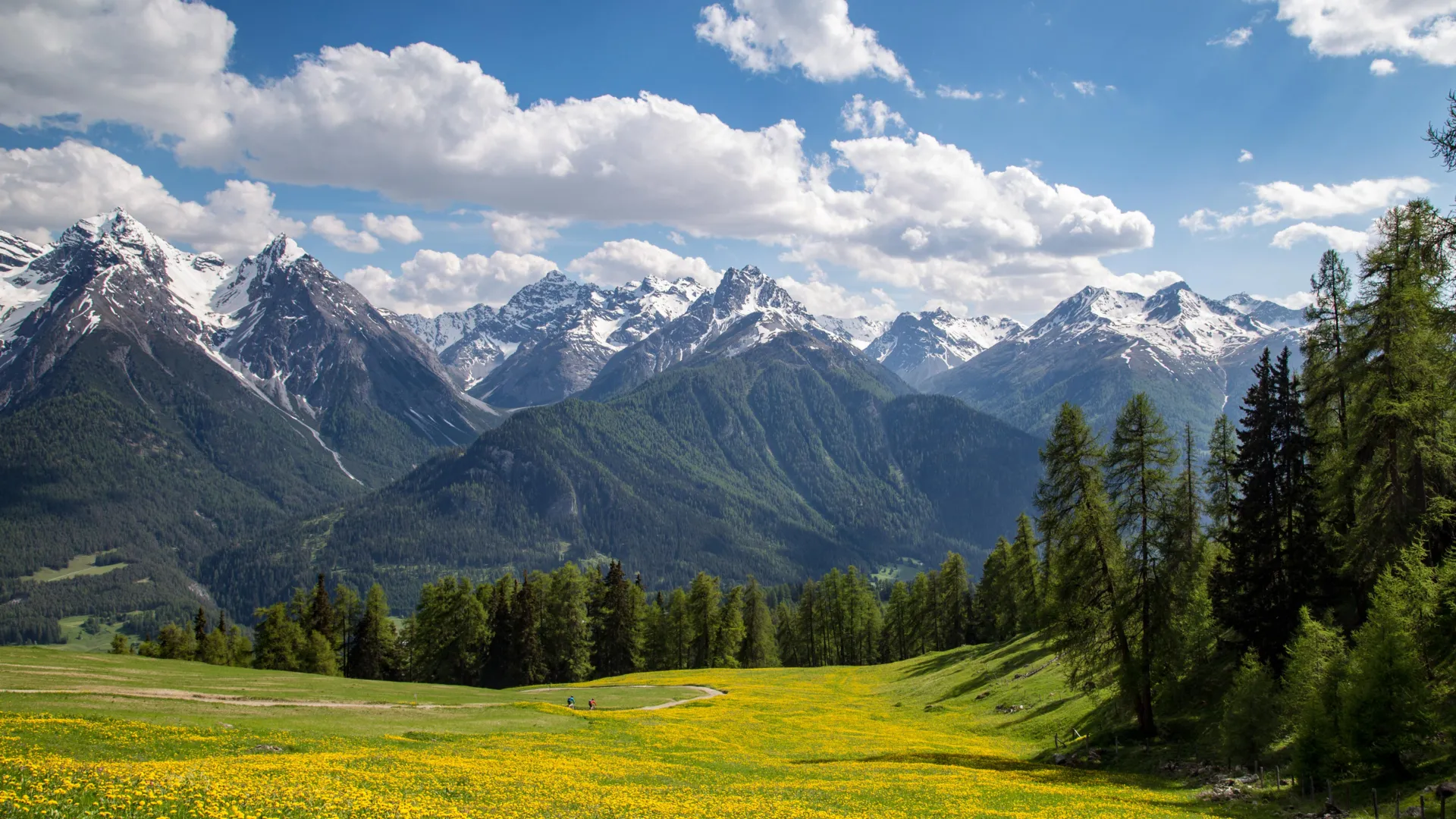
Recent studies reveal an unsettling trend: mountain regions are experiencing a rate of warming that surpasses that of lowland areas. This phenomenon, observed globally, has profound implications for ecosystems, water supply, and the livelihoods of over a billion people who depend on mountain resources. A comprehensive review of climate data indicates that rising temperatures are transforming snowfall into rainfall, reducing glacier mass, and creating increasingly volatile weather conditions in these elevated terrains. Understanding the intricacies of these changes is crucial for addressing the repercussions they pose to both local and global communities.
The warming of mountain areas can largely be attributed to climate change, which has led to a marked increase in average temperatures worldwide. While the planet has warmed by approximately 1.2 degrees Celsius since the pre-industrial era, mountainous regions are experiencing an alarming increase of 1.5 to 2 degrees Celsius. This enhanced warming can be attributed to several factors, including altitude, topography, and local climatic conditions. The consequences of this rapid temperature rise are being felt acutely, particularly in regions like the Himalayas, the Andes, and the Alps, where communities depend heavily on predictable patterns of snowfall and glacial melt for their water supply.
One of the most significant effects of rising temperatures in mountainous regions is the transition from snowfall to rainfall. Snowpack, which serves as a critical reservoir of freshwater, is diminishing as warmer temperatures shift precipitation patterns. As precipitation falls as rain rather than snow, the timing of water runoff changes, often occurring earlier in the spring. This shift can lead to water shortages during drier summer months when demand peaks. For countries like India and China, where major rivers originate from mountain glaciers, these changes can jeopardize millions of lives, affecting agricultural productivity and drinking water availability.
Moreover, the retreat of glaciers, a direct consequence of rising temperatures, poses additional challenges. Glaciers act as natural water towers, gradually releasing water into rivers during warmer months. As these glaciers shrink, the immediate effect may be an increase in water flow, but this is often followed by a significant decline as glaciers continue to recede. This cycle creates instability in water supply, leading to potential conflicts over water resources among communities and countries that share river basins. Furthermore, the loss of glaciers can disrupt the delicate balance of local ecosystems, affecting flora and fauna that are adapted to specific climatic conditions.
The consequences of these changes extend beyond water scarcity. More extreme weather patterns are emerging in mountainous regions, including increased precipitation variability, droughts, and flooding. The risk of catastrophic events, such as landslides and avalanches, rises as the stability of these ecosystems is compromised. These extreme weather events pose threats not only to human safety but also to infrastructure and economies that rely on stable weather patterns. The surge in unpredictable weather is a reminder of the interconnectedness of climate systems; changes in mountain climates can have far-reaching consequences, impacting regions far beyond their immediate surroundings.
Addressing the challenges posed by the accelerated warming of mountains requires urgent action from local to global levels. Policymakers must prioritize climate adaptation strategies, focusing on sustainable water management and infrastructure resilience. Public awareness campaigns can empower communities to understand and respond to the changes in their environment. Research and monitoring of mountain climates should be intensified to inform effective decision-making and resource management, ensuring that the needs of vulnerable populations are met. As the world grapples with the complexities of climate change, safeguarding mountain ecosystems is essential for preserving the livelihoods of billions and maintaining the health of our planet.