Mystery Solved: Scientists Reveal Why the Colorado River Keeps Delivering Less Water Than Expected
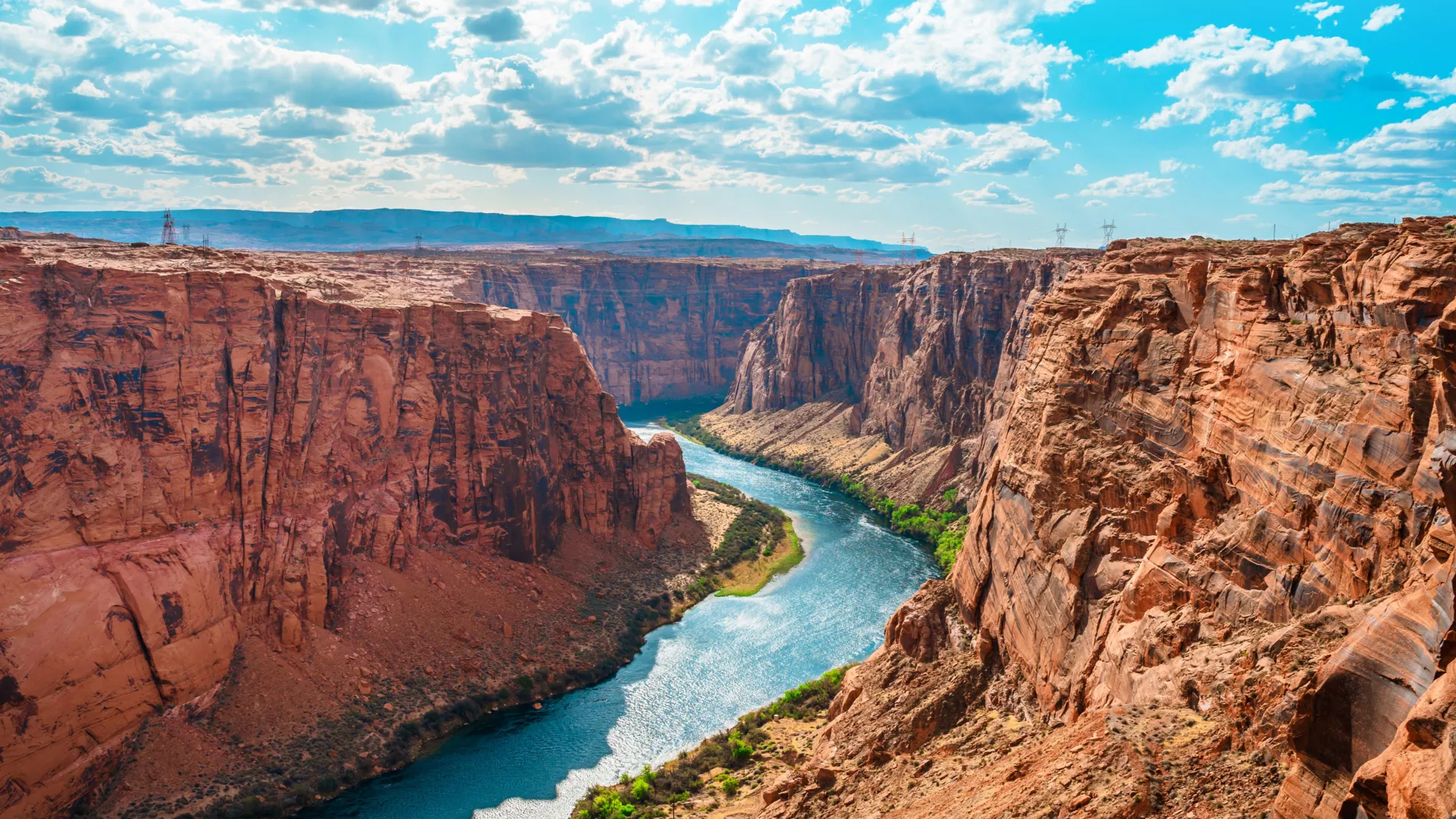
For years, water managers across the American Southwest have been puzzled by a persistent discrepancy: the Colorado River consistently delivered less water than snowpack measurements and precipitation models predicted. Now, new research has identified the culprit behind this hydrological mystery, and the answer lies not in the mountains where snow accumulates, but in the warming springs that follow.
The study reveals that warmer, drier spring conditions are allowing vegetation to intercept and consume significantly more snowmelt before it can reach river channels and flow downstream. As spring temperatures rise, plants emerge from dormancy earlier and grow more vigorously, drawing moisture from the soil at increased rates. Simultaneously, sunnier conditions boost both plant growth and direct evaporation from soil and snow surfaces. The combined effect is a dramatic reduction in the amount of water that actually makes it from mountain snowfields to the river system.
The scale of this finding is remarkable. According to the research, this vegetation-driven interception explains nearly 70% of the shortfall between expected and actual river flows. The mechanism is directly tied to the Millennium Drought, a prolonged period of below-average precipitation and above-average temperatures that has gripped the western United States for over two decades. As climate change intensifies this pattern of warm, dry springs, the gap between snow-based water predictions and actual river delivery is likely to widen further.
The implications for water management across the Colorado River Basin are profound. The river supplies drinking water to approximately 40 million people across seven U.S. states and Mexico, and irrigates millions of acres of agricultural land. Water allocation agreements and infrastructure planning have historically relied on snowpack measurements as a primary predictor of water availability. This research suggests that those predictions need to be fundamentally recalibrated to account for the increasing water consumption by vegetation during the spring transition period.
Looking forward, the findings highlight the need for adaptive water management strategies that go beyond simply measuring snowpack. Incorporating spring temperature forecasts, vegetation growth models, and soil moisture data into water supply predictions could help managers better anticipate actual river flows. The research also underscores the interconnected nature of climate change impacts, where rising temperatures affect water availability not just through reduced snowfall, but through complex biological responses that amplify the drying effect across entire watersheds.