Nature's Value: New IPBES Report Highlights Economic Risks of Biodiversity Loss
The recent report from the Intergovernmental Science-Policy Platform on Biodiversity and Ecosystem Services (IPBES) raises alarm bells about the precarious state of nature and its critical role in sustaining the global economy. This groundbreaking assessment is the result of three years of intensive collaboration among 79 experts worldwide. They examined the relationship between business practices and biodiversity loss, concluding that businesses often undervalue nature, leading to severe economic repercussions. The report offers over 100 actionable strategies aimed at mitigating these impacts, emphasizing that neglecting nature is not only detrimental to ecosystems but also poses significant risks to financial stability and human well-being.
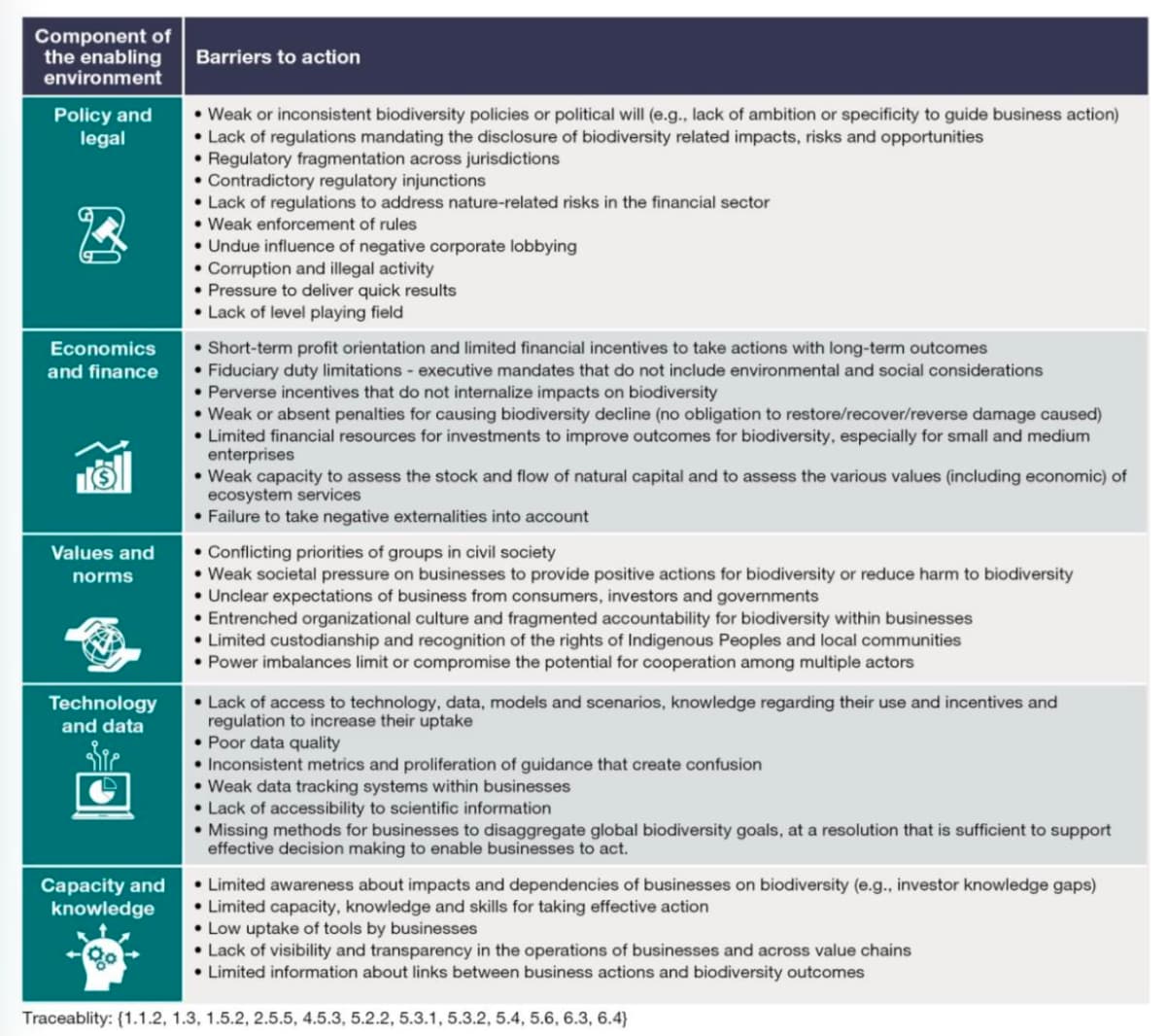
One of the report's most compelling findings is the dual relationship businesses have with nature; they rely on it for essential resources while simultaneously contributing to its degradation. Biodiversity is the backbone of many industries, supplying raw materials, regulating water flows, and supporting genetic diversity vital for product development in sectors such as pharmaceuticals and cosmetics. Despite this dependency, many companies fail to recognize the extent of their impact on biodiversity, often due to a lack of awareness and the inadequacy of existing data. The report indicates that many businesses do not possess the necessary tools to evaluate their ecological footprint, and the scientific literature available is often inaccessible or irrelevant to business audiences. As a result, the systemic risks associated with biodiversity loss frequently go unaddressed in corporate strategies.
The implications of this neglect are dire. The report states that the sustained decline of biodiversity is a critical systemic risk, threatening not just individual businesses but also entire economies and human well-being. The failure to account for nature in economic growth models has resulted in unprecedented biodiversity loss over the last two centuries. This degradation has far-reaching consequences, particularly for developing countries whose economies are more reliant on natural resources and biodiversity. The report identifies this as a pressing concern, noting that the risks associated with climate change and biodiversity loss often interact, exacerbating social and economic challenges. The potential for extreme weather events and significant alterations to Earth's systems further heightens these risks, underscoring the urgent need for a paradigm shift in how businesses view and interact with nature.
A substantial takeaway from the IPBES report is the call for immediate action from businesses. It emphasizes that companies can adopt practices that minimize their negative impacts on biodiversity and contribute positively to environmental sustainability. By integrating ecological considerations into their operations, businesses can not only enhance their resilience but also create opportunities for innovation and growth. The report suggests that government policies play a crucial role in facilitating this transition toward a just and sustainable future for both nature and humanity. Policymakers are urged to implement frameworks that promote responsible resource management and incentivize businesses to adopt sustainable practices.
The findings of this report are particularly timely, as global financial flows surpassing $7 trillion are identified as having direct negative impacts on nature in 2023. This staggering figure highlights the need for businesses and financial institutions to re-evaluate their practices and align their operations with ecological health. The IPBES report serves as a wake-up call, urging stakeholders across sectors to recognize the economic implications of biodiversity loss and to take proactive steps in addressing these challenges. The forthcoming full report promises to provide additional insights and guidance on how businesses can align with the 2030 biodiversity goals, paving the way for a more sustainable future.
As the world grapples with the consequences of climate change and biodiversity loss, this report underscores a critical truth: the health of our planet is intricately linked to our economic systems. The significance of nature cannot be overstated; it is not merely a resource to be exploited but an essential component of our survival and prosperity. By valuing nature appropriately and adopting sustainable practices, businesses can not only safeguard their interests but also contribute to the restoration of ecosystems. The path forward requires collaboration among businesses, governments, and civil society to ensure that the benefits of nature are recognized and preserved for future generations.