Navigating Energy Tides: How Chinese Media Responds to the Iran Crisis and its Impact on Global Energy Dynamics
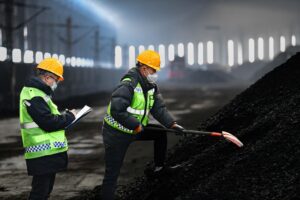
The ongoing conflict involving Iran and its implications for global energy supplies have become a focal point in media narratives worldwide. This situation has particularly intensified discussions within Chinese media, which have explored the complexities of energy security in the face of geopolitical turmoil. While Western outlets often highlight the resilience provided by low-carbon energy sources, Chinese-language publications have struck a different tone, emphasizing both the importance of coal and the burgeoning clean energy sector. The discourse surrounding these themes offers vital insights into how China views its energy future amidst global instability, particularly in reference to the critical Strait of Hormuz, a vital gateway for oil transport that has seen increased tension.
China's extensive media coverage reflects a dual approach to understanding energy sustainability and security. High-profile commentators and analysts have asserted that the current crisis underscores the urgent need for China to bolster its clean energy infrastructure. Zhang Jun, the secretary-general of the Bo’ao Forum, articulates this sentiment in a piece for the People’s Daily, where he stresses the importance of developing alternative energy systems. The China Youth Daily further emphasizes that the disruption of energy supply chains due to the conflict has intensified the necessity for China to invest in 'new energy' sources, underscoring the need for a transition towards sustainable energy production. This narrative aligns with broader global trends advocating for a shift towards renewables, but it is also intertwined with China's existing reliance on coal as a primary energy source.
The Chinese government's perspective is that a diverse energy portfolio is crucial for national security. State broadcaster CCTV highlighted President Xi Jinping's call for an accelerated development of a comprehensive energy system, which includes not just renewables but also a continued reliance on coal. The state narrative presents coal as both a stabilizing agent in energy supply and a necessary component of a balanced approach to energy production. While the emphasis on a greener energy solution is apparent, there is a pronounced acknowledgment of coal's role as a dependable source of energy during crises, which is especially significant given the potential for increased demand for fossil fuels in the wake of geopolitical tensions.
A critical aspect of this energy discourse is the recognition of coal's strategic importance. Pro-coal narratives within Chinese media argue that coal remains a cornerstone of the nation's energy strategy, particularly in times of crisis. WeChat accounts dedicated to coal and energy discussions have underscored this sentiment, suggesting that when emergencies arise, coal is the only energy source China can reliably control. This perspective is not merely a reflection of current events but also indicative of the broader historical reliance on coal as a primary energy source in China. Such rhetoric is designed to reassure the public and stakeholders that, despite the push for renewables, coal will continue to play a vital role in maintaining energy security.
Furthermore, the geopolitical landscape surrounding energy supplies is changing, and China is keenly aware of the potential shifts in global energy demand. Analysts like Liu Ying from Renmin University argue that the current crisis could lead to a restructuring of the global energy order, positioning China favorably to advance its clean energy technologies. The conflict may catalyze greater international interest in solar and wind power, presenting China with opportunities to export its innovative energy solutions. This strategic positioning reflects a longer-term vision where China aims not just to be energy secure but also to lead in the global renewable energy market.
In summary, the narrative put forth by Chinese media during the Iran energy crisis illustrates the complexities of balancing traditional fossil fuel reliance with the imperative to transition to renewable energy sources. By emphasizing a multi-faceted approach to energy security, Chinese outlets reflect a nuanced understanding of the challenges and opportunities presented by current geopolitical dynamics. As global energy markets continue to evolve, the balancing act between coal and renewables will likely remain a critical topic of discussion, shaping China's energy policies and its role in global climate action.