Navigating the Climate Crisis: Key Developments from Around the World
Recent developments in climate change have underscored the urgency for global action as countries grapple with the escalating consequences of a warming planet. A stark warning from the European Union’s climate advisory board has prompted member states to brace for a potential increase of 3 degrees Celsius in global temperatures. According to Maarten van Aalst, a prominent member of the board, adaptation to such a scenario is not only daunting but also feasible. The call for comprehensive climate risk assessments and strategic investments in protective measures signals a critical shift towards proactive adaptation strategies, as current efforts have been labeled as inadequate, fragmented, and reactive. As climate impacts threaten to undermine productivity across the EU, the pressure mounts on public budgets and heightens security risks, indicating that the time for decisive action is now.
Flooding events in France serve as a poignant reminder of the immediate threats posed by climate change. This week, unprecedented floods inundated homes, streets, and agricultural fields, leading to the evacuation of approximately 2,000 residents. The situation has been described by Monique Barbut, France's minister for ecological transition, as a wake-up call that has been long foreseen by climate experts. The growing frequency and intensity of such extreme weather events highlight the urgent need for countries to enhance their resilience against climate-related disasters. With communities facing the harsh realities of climate change, the call for action resonates louder than ever, revealing the interconnectedness of climate science, public policy, and community safety.
On the international stage, the recent decision by the United States to remove climate change from the primary agenda of the International Energy Agency (IEA) has raised eyebrows and sparked concern among environmental advocates. This significant shift occurred during a tense ministerial meeting in Paris, marking the first time in nearly a decade that the IEA failed to produce a unified statement on climate-related issues. The U.S. energy secretary, Chris Wright, has issued a stringent ultimatum, demanding the organization abandon its commitment to net-zero emissions goals within a year or risk losing U.S. membership. This bold move reflects the broader political landscape, where climate change is increasingly sidelined in favor of economic considerations, posing serious implications for global efforts to combat climate change.
Global diplomatic dynamics are also at play, as the U.S. reportedly pressured the Pacific island nation of Vanuatu to withdraw its draft resolution supporting a landmark International Court of Justice decision on climate change. This resolution aims to hold countries accountable for their contributions to climate change, emphasizing the legal and ethical responsibilities nations have toward vulnerable states. Such developments illustrate the complexities of international climate negotiations and the delicate balance between national interests and global responsibilities, as countries navigate the challenging waters of climate diplomacy amid rising temperatures and environmental degradation.
In other parts of the world, alarming climate trends continue to surface. Greenland's capital, Nuuk, recorded its hottest January since records began over a century ago, highlighting the rapid pace of climate change in the Arctic region. Meanwhile, the Brazilian Amazon has seen a continuation of declining deforestation rates, a hopeful sign amid concerns over biodiversity loss and habitat destruction. However, the ongoing challenges presented by climate change are evident, as exemplified by the recent devastation caused by the Gezani cyclone in Madagascar, which left dozens dead and thousands displaced. These events underscore the far-reaching impacts of climate change, from catastrophic weather events to shifts in biodiversity, emphasizing the need for urgent action and a collective response to this global crisis.
Research into the effects of climate change on ecosystems and biodiversity reveals the intricate relationships between environmental changes and species survival. Studies indicate that smoke from wildfires has detrimental effects on a range of organisms, including health risks for air-breathing animals and alterations in carbon storage within forests. Furthermore, projections show that as Antarctica continues to warm, the Weddell Sea could become a more hospitable environment for species like krill and fish, potentially reshaping marine ecosystems. In South America, significant warming trends observed in the region's lakes over the past four decades signal a future characterized by increased temperatures and more frequent heatwaves, threatening local biodiversity and water resources.
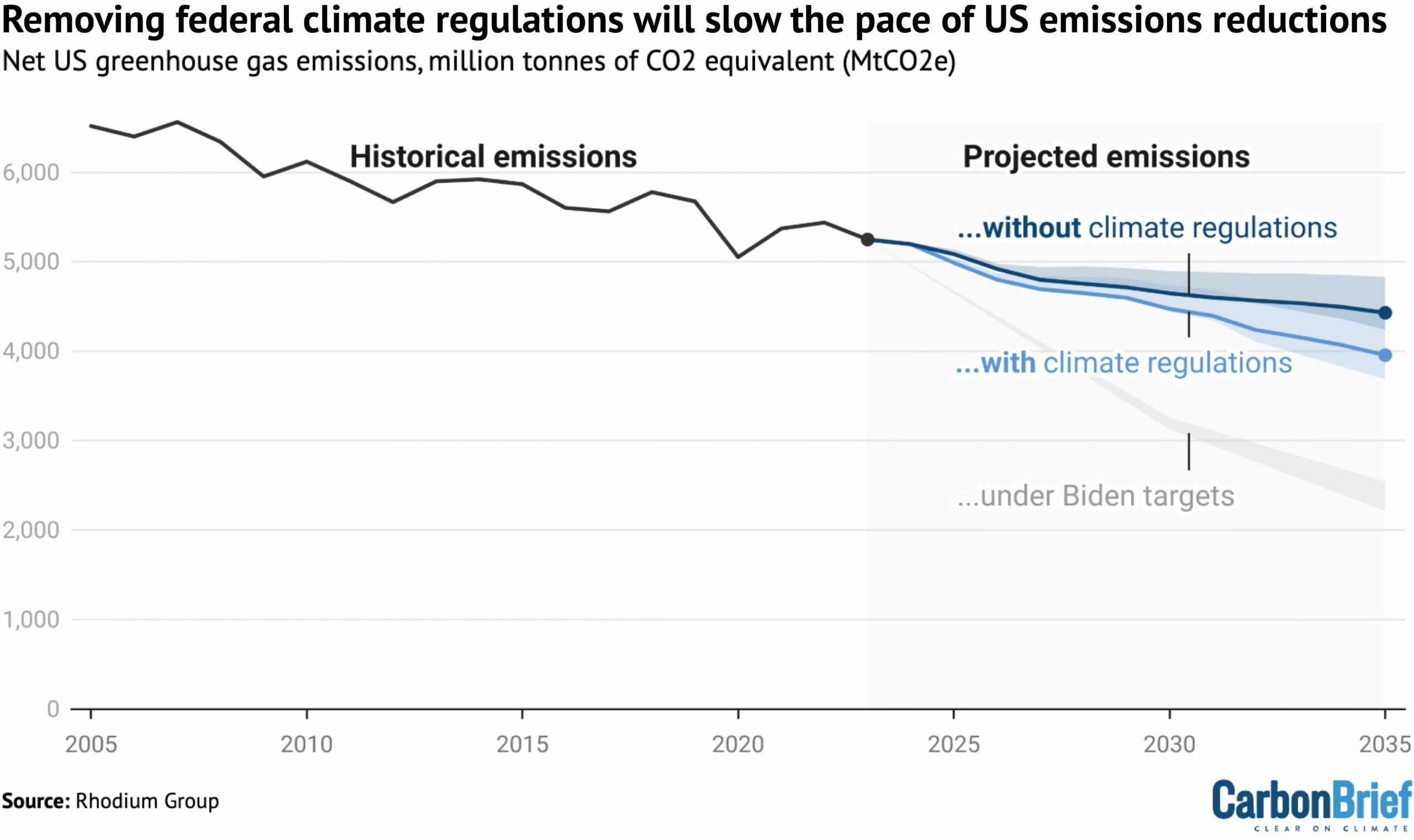
As the world grapples with the complexities of climate change, the importance of informed discourse and robust policy frameworks cannot be overstated. The contrasting approaches taken by different countries, as seen in the EU's proactive stance compared to the U.S.'s recent regulatory rollbacks, highlight the need for cohesive global strategies to address this pressing issue. As scientists and policymakers work to navigate the multifaceted challenges posed by climate change, it remains crucial for citizens and communities to engage in the conversation, advocate for sustainable practices, and hold leaders accountable for their commitments to a more sustainable and resilient future.