Navigating the Energy Crisis: Global Impacts and Climate Responses in 2026
A significant energy crisis looms over the global landscape, characterized by unprecedented supply disruptions and soaring prices. The International Energy Agency (IEA) has declared this crisis to be the worst in decades, surpassing the shocks of 1973, 1979, and even the recent disruptions of 2022. IEA Chief Fatih Birol emphasized that never before has the world faced such a severe interruption in energy supplies. This alarming statement comes on the heels of a two-week ceasefire agreement between Iran, the United States, and Israel, which initially led to a dip in oil prices below $96 per barrel. However, this temporary relief quickly evaporated when a Saudi Arabian oil pipeline came under attack, reigniting volatility across the oil markets. Such fluctuations highlight the interconnected nature of geopolitics and energy stability, underscoring how conflicts can reverberate through global energy supplies and pricing structures.
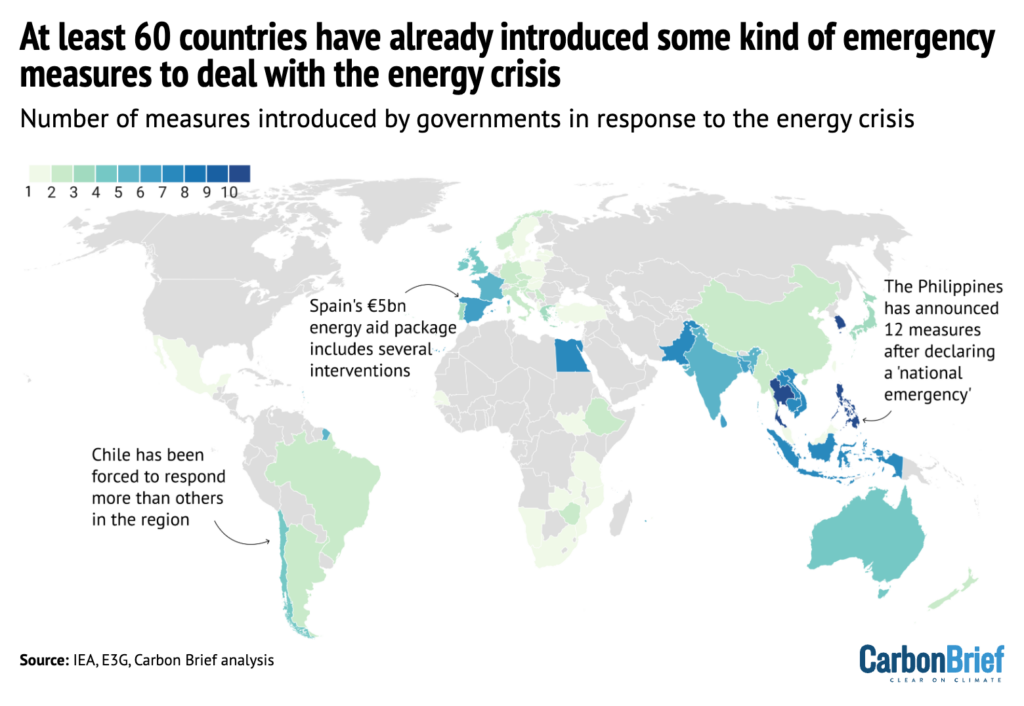
The ramifications of this energy crisis extend far beyond immediate price hikes. The rising costs of fossil fuels are benefiting some of the world's largest polluters, who find themselves in a position of power amid escalating energy prices. While these corporations reap substantial profits, experts warn that the long-term trends favoring renewable energy sources are gaining momentum. As the global community grapples with the implications of this crisis, many nations are looking to diversify their energy portfolios, seeking sustainable alternatives to reduce dependency on fossil fuels. Reports indicate that around 60 countries have instituted nearly 200 emergency energy-saving measures since the onset of the Iran conflict, showcasing a widespread recognition of the urgent need for energy resilience and sustainability.
Simultaneously, the ongoing energy crisis could jeopardize international climate goals. The UK government’s recent decision to open new oil and gas fields in the North Sea has sparked significant backlash from environmental experts who argue that such actions would undermine global climate commitments. The tension between immediate energy needs and long-term sustainability has never been more pronounced, as countries navigate the delicate balance between securing energy supplies and adhering to climate pledges. With the backdrop of the United Nations Climate Change Conference (COP) approaching, the Indian government’s withdrawal from hosting COP33 has raised concerns about the future of collaborative climate action. This decision reflects the growing complexities and challenges nations face in aligning their economic interests with the urgent demands of climate action.
The energy crisis is not the only pressing issue in the global landscape. Recent catastrophic events in Afghanistan, where heavy rains and subsequent flooding have resulted in tragic loss of life, further underscore the increasing frequency and severity of climate-related disasters. These incidents serve as stark reminders of the urgent need for comprehensive climate adaptation and mitigation strategies. As nations attempt to respond to immediate crises, the interconnectedness of climate change impacts and energy security becomes glaringly evident. The urgency of addressing these intertwined challenges cannot be overstated, particularly as climate scientists warn that over a quarter of the global population will face more frequent and severe extreme weather events by 2100 under current climate policies.
In the face of these daunting challenges, innovative responses are emerging from unexpected quarters. The drag community is harnessing its unique cultural influence to raise awareness about climate change. Artists are creatively engaging their audiences, using performance as a platform to communicate critical environmental issues. This artistic approach to climate activism aligns with the sentiments expressed by veteran climate journalist Bill McKibben, who advocated for the power of art in fostering awareness and consciousness about climate change. Drag performers around the world are stepping up to the plate, utilizing their visibility and creative flair to bridge the gap between entertainment and activism. Their efforts represent a refreshing and impactful approach to engaging diverse audiences on pressing climate issues, demonstrating that creativity can be a potent tool for social change.
As the world navigates through these turbulent times, a multifaceted approach involving diverse strategies and collaborations will be essential. The intertwining crises of energy security and climate change demand urgent action and innovative solutions. While the current energy crisis poses significant challenges, it also presents an opportunity for transformation. Policymakers, businesses, and communities must work together to forge a path that prioritizes sustainable energy development, protects the environment, and ensures a more resilient future. The collective response to this crisis will determine not only the trajectory of global energy systems but also the health of our planet and the well-being of future generations.