Navigating the Nexus of Climate, Agriculture, and Geopolitics: Recent Developments in Iran and Beyond
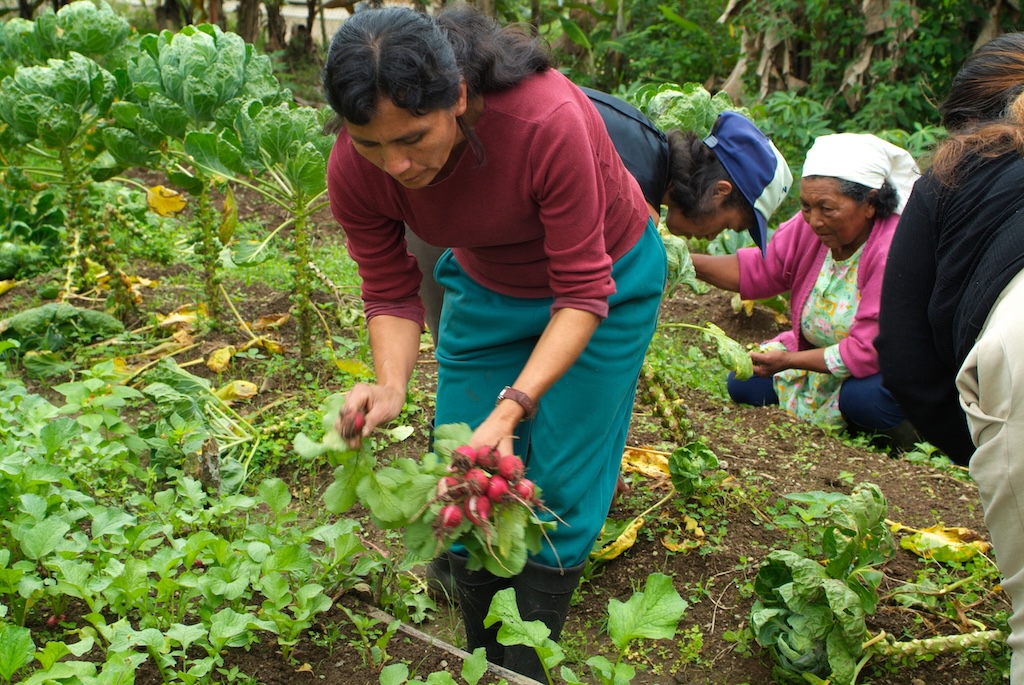
Recent weeks have illuminated the intricate interplay between climate change, agricultural stability, and geopolitical tensions, especially in regions where water resources are becoming increasingly scarce. One significant development has emerged from Iran, where ongoing conflict and climate-related challenges are threatening food production and water availability. The US-Israel war against Iran has disrupted the production and export of synthetic fertilizers, which are crucial for global agriculture. Fertilizers such as urea, sulfur, and ammonia are essential for food production, with approximately half of the world’s food supply relying on synthetic nitrogen. As conflict escalates and the Strait of Hormuz remains perilously close to a standstill, concerns mount over potential food price increases and the broader implications for food security across the globe. Farmers, particularly in the northern hemisphere, are at a critical juncture as they prepare to plant their spring crops. The situation is particularly alarming as even minor reductions in nitrogen fertilizer use can result in significant declines in crop yields, a reality that could exacerbate hunger and economic instability in an already precarious global food landscape.
In addition to agricultural disruptions, Iran is facing profound water challenges exacerbated by prolonged droughts linked to climate change. Water scarcity has become a focal point of the ongoing conflict, with experts suggesting that it could evolve into a key geopolitical commodity that influences the trajectory of the war. Desalination plants, which serve as a vital water source for millions throughout the Arabian Peninsula, have come under attack, raising critical questions about the future of water security in a region already grappling with severe resource limitations. The consequences of this water-related strife extend beyond immediate humanitarian concerns; they threaten to destabilize food systems and exacerbate existing tensions among neighboring countries. With water becoming a potential tool of warfare, the global community must pay close attention to the intersection of climate impact, resource scarcity, and geopolitical dynamics.
Beyond the Middle East, the conversation around natural resource management is also evolving in the context of deep-sea mining. The International Seabed Authority (ISA) convened its Legal and Technical Commission to discuss the future of seabed mining in international waters, a topic that has garnered increasing attention as nations seek to exploit ocean resources. The ISA's governing council is currently deliberating on crucial regulations that could dictate how mining activities are conducted in ecologically sensitive areas. The urgency of these discussions has intensified, particularly following the previous administration's push for deep-sea mining in the United States. However, advocates for environmental protections, including Indigenous groups, express skepticism regarding the integration of their rights into the forthcoming regulations. As these conversations unfold, the balance between economic interests and environmental stewardship remains a contentious issue, with potential ramifications for biodiversity and ocean health.
Recent legal developments in Europe also highlight the pressing need for accountability in environmental governance. The European Court of Justice imposed a significant fine on Portugal for failing to comply with biodiversity protection laws, emphasizing the importance of safeguarding natural ecosystems. The ruling serves as a reminder that nations must prioritize environmental stewardship to preserve biodiversity, particularly as climate change continues to threaten ecosystems worldwide. Furthermore, a recently uncovered report from scientists and experts detailing the health of nature in the United States paints a sobering picture, illustrating the critical challenges ahead while also identifying areas of opportunity for conservation efforts. Such insights underscore the urgent need for collaborative action in addressing environmental crises.
Amid these global challenges, there are also signs of hope and cooperation. Recent agreements between India and Nepal aim to strengthen collaboration on climate change, forest management, and biodiversity conservation. These initiatives demonstrate the potential for transboundary cooperation to address shared environmental concerns and promote sustainable practices. As countries navigate the complexities of climate change and resource management, sharing knowledge and strategies can foster resilience and adaptation in the face of unprecedented challenges. The interplay between climate, agriculture, and geopolitics is a multifaceted issue that requires ongoing attention, collaboration, and innovation to secure a sustainable future for all.