Navigating the Uncertainty: The Global Dispute Over IPCC's Next Reports
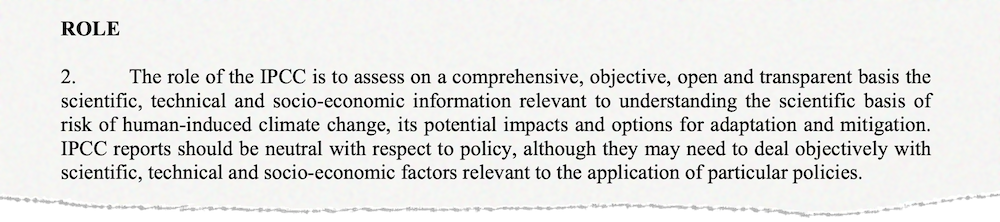
The Intergovernmental Panel on Climate Change (IPCC) finds itself at a critical juncture as nations grapple with disagreements regarding the timeline for its next assessment cycle. This impasse has persisted through several high-profile sessions, highlighting the complexities of international cooperation in climate science. With the urgency of climate change mounting, the stakes of this deadlock cannot be overstated. The ongoing negotiations concern the timeline for publishing the working group reports for the seventh assessment report (AR7), which are crucial for informing global climate action, particularly in the context of the Paris Agreement and the upcoming global stocktake.
The significance of the AR7 reports extends beyond mere scientific assessment; they serve as a foundation for international climate policies and strategies. The last five IPCC sessions have shown an unprecedented inability to finalize a timeline that synchronizes the release of these reports with the second global stocktake, scheduled to conclude at COP33 in 2028. Some countries advocate for a quicker timeline to ensure the reports are available in time for this pivotal moment. Others, however, argue that a more extended timeline is essential to allow developing nations adequate time to review and contribute to these vital documents. This clash of priorities underscores the challenges of achieving consensus in a diverse global landscape, where interests and capacities vary widely.
The IPCC, established in 1988, has been a key player in bridging the gap between scientific research and policy-making. Its assessments have historically influenced major international climate agreements, including the Paris Agreement's commitment to limit global warming. The IPCC operates through a cycle of assessments, producing comprehensive reports that cover physical science, impacts and adaptation, and mitigation strategies. Each of these working group reports is synthesized into a final summary that distills the findings for policymakers. The current cycle, which began in July 2023, has already diverged from past practices, as previous assessment cycles typically saw timelines agreed upon quickly. The ongoing negotiations for AR7 have yet to yield a consensus, with discussions stalling across multiple international venues.
The unique challenges faced during the AR7 timeline negotiations stem from the intricate balance of interests among nations. Developing countries often require more time and resources to engage meaningfully with the scientific content, which influences their participation in the global climate dialogue. Proponents of a slower timeline argue that rushing the process could undermine the quality and inclusivity of the reports. This perspective is especially pertinent given that the IPCC's mandate is to provide neutral, scientifically rigorous assessments that inform policy without bias. Thus, the pressure to meet deadlines must be weighed against the need for thorough and equitable engagement, particularly from nations that may lack the same resources as their more developed counterparts.
As the IPCC prepares for its next meeting in Addis Ababa, the urgency of resolving this deadlock becomes increasingly pronounced. Experts warn that failure to align the AR7 timeline with the global stocktake could have far-reaching implications for the international climate framework. The stocktake is designed to assess collective progress toward climate goals set under the Paris Agreement, and any disconnect between the IPCC’s findings and this evaluation process could weaken the credibility of climate science as a basis for policy. The potential for a historical break in the continuity of climate assessments raises concerns about how future negotiations and commitments might be framed, particularly if nations perceive a lack of actionable data when crafting their national climate policies.
The implications of delaying the AR7 reports extend beyond immediate policy concerns, touching upon the broader narrative of global climate action. As the world grapples with increasingly severe climate impacts, the need for timely, relevant scientific assessments has never been more critical. The outcome of these negotiations will influence not only the trajectory of international climate policies but also the public's trust in scientific institutions. A well-informed populace is essential for fostering engagement and support for ambitious climate action. Thus, the resolution of this standoff carries significant weight, impacting not just the IPCC but the future of collaborative global efforts to combat climate change.
In conclusion, the ongoing negotiations surrounding the IPCC's AR7 timeline represent a microcosm of the broader challenges facing the world in addressing climate change. As nations continue to grapple with their differing priorities and capacities, the importance of finding common ground becomes paramount. The stakes are high, and the path forward requires a commitment to collaboration, inclusivity, and a shared understanding of the urgent need for action. The coming weeks and months will be crucial in determining how the international community navigates this complex landscape, with the hope that a consensus can be reached that honors both the imperative for timely assessments and the necessity of thorough and equitable participation from all nations.