Navigating Towards a Global Plastics Treaty: A Path Forward Amidst Challenges
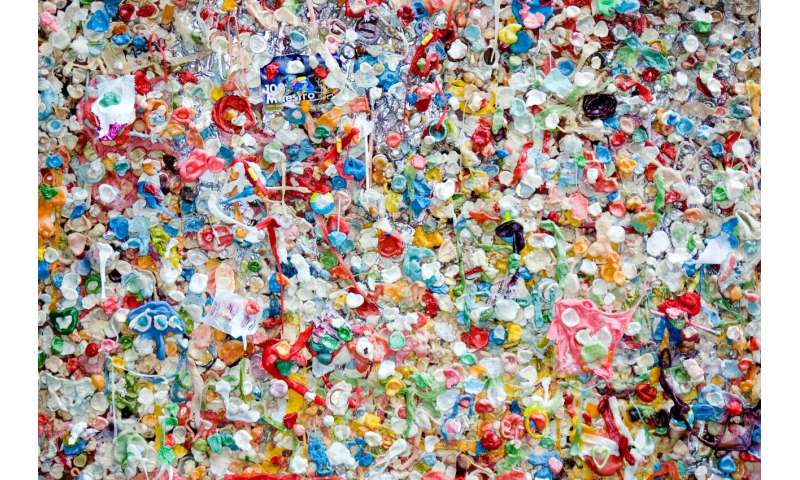
Plastic pollution has emerged as one of the most pressing environmental challenges of our time. The accumulation of plastics in oceans, rivers, and landscapes poses serious threats to ecosystems, wildlife, and human health. Despite growing awareness and advocacy, efforts to establish a cohesive global response have faced significant hurdles. The most recent round of negotiations held by the United Nations in Geneva last August did not yield the expected global plastics treaty, leaving many concerned about the future of international collaboration on this critical issue. However, researchers remain optimistic and assert that success is still attainable, provided that strategic changes are made in the upcoming negotiations.
The urgency of addressing plastic pollution cannot be overstated. According to estimates from the United Nations, approximately 11 million metric tons of plastic waste enter the oceans each year, endangering marine life and disrupting food chains. Microplastics, which are tiny particles resulting from the breakdown of larger plastic items, have infiltrated even the most remote ecosystems. These pollutants not only threaten biodiversity but also pose risks to human health through the seafood consumed and microplastics found in drinking water. As the global demand for plastic continues to rise, so does the need for a comprehensive and enforceable treaty that can effectively curb plastic production and waste.
The Intergovernmental Negotiating Committee (INC) on Plastic Pollution is set to reconvene on February 7, 2026. This meeting will see the election of a new chairperson, a pivotal role that could determine the trajectory of future negotiations. Researchers emphasize that the newly elected chairperson must prioritize reforming the INC's procedures to foster a more inclusive and effective negotiation process. This might include creating clearer frameworks for accountability, enhancing stakeholder engagement, and ensuring that the voices of affected communities and nations are adequately represented.
A significant challenge faced by negotiators has been the disparate interests of member states. Countries with robust plastic manufacturing industries often prioritize economic growth, while those most affected by plastic pollution advocate for stringent regulations. Bridging this gap requires a nuanced approach that recognizes the economic realities while promoting sustainable practices. Researchers suggest that innovative solutions, such as promoting the development of biodegradable alternatives and expanding recycling technologies, could serve as common ground for negotiations. Additionally, financial mechanisms to support developing countries in transitioning away from plastic dependency could encourage broader buy-in for treaty commitments.
The potential impacts of a successful global plastics treaty extend far beyond environmental benefits. A well-structured agreement could drive technological innovation, foster green job creation, and stimulate economic growth in sustainable sectors. For instance, the transition towards a circular economy, where materials are reused and recycled rather than discarded, could open new avenues for investment and development. This shift not only mitigates the environmental footprint of plastic but also aligns with global goals surrounding climate change and sustainable development.
The road to a global plastics treaty is fraught with complexities, but it is also fraught with opportunities for collaborative action. As the world becomes increasingly interconnected, the implications of plastic pollution transcend national borders, necessitating a collective response. Researchers advocate for an integrated approach that not only addresses the symptoms of plastic pollution but also tackles the root causes, including overconsumption and inadequate waste management systems. By fostering a culture of environmental stewardship and pushing for robust policy changes, the international community can work together to pave the way for a cleaner, healthier planet. The upcoming negotiations in Geneva may represent a crucial turning point in the fight against plastic pollution, and with the right leadership and commitment, a successful treaty could become a reality.