New Evidence from Guatemala Challenges the Drought Theory Behind the Maya Civilization's Collapse
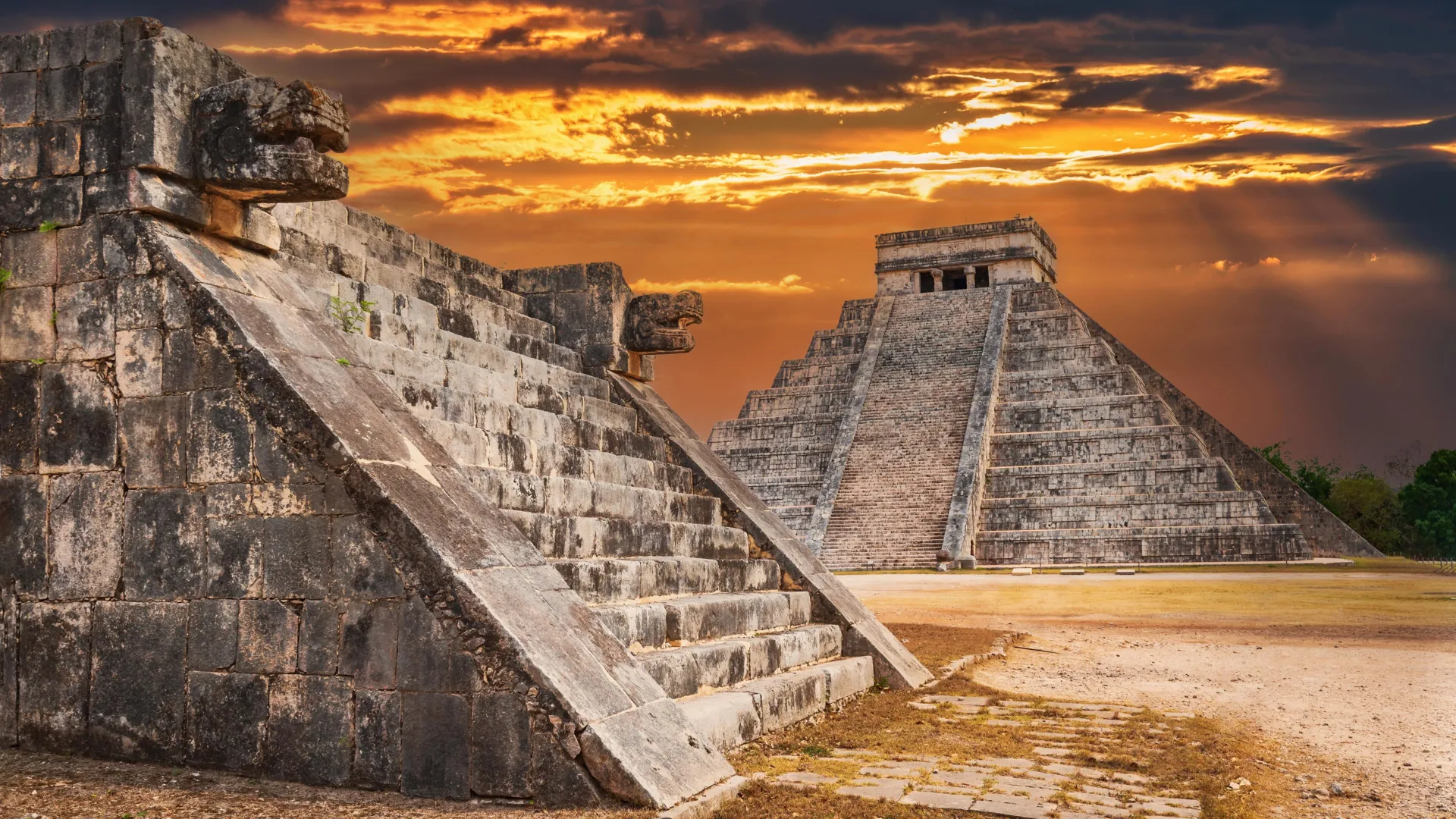
The collapse of the ancient Maya civilization has captivated scholars and the public for more than a century, inspiring theories ranging from devastating droughts and ecological destruction to warfare, social upheaval, and supernatural explanations. The prevailing scientific consensus in recent decades has centered on prolonged drought as a primary driver, with paleoclimate records from cave formations and lake sediments across the Yucatan Peninsula showing evidence of severe dry periods coinciding with the abandonment of major Maya cities between roughly 800 and 1000 CE. Now, compelling new evidence from lake sediments in Guatemala is complicating this narrative, revealing that at least one important Maya city experienced a stable, adequately wet climate even as its population vanished. The findings suggest that the Maya collapse was driven not simply by local environmental conditions but by the cascading failure of an interconnected political and economic network.
The study focused on the ancient city of Itzan, located in the Peten region of northern Guatemala, an area that was densely populated during the Classic Maya period. Researchers extracted sediment cores from a nearby lake, analyzing layers of material deposited over more than two thousand years. These sediment records contain chemical and biological signatures that serve as proxies for past climate conditions, including oxygen isotope ratios that indicate rainfall patterns and pollen assemblages that reveal the types of vegetation growing in the surrounding landscape. Contrary to expectations, the analysis showed no evidence of significant drought at Itzan during the period when the city was abandoned. Rainfall appears to have remained within normal ranges, and the vegetation record shows no signs of the agricultural collapse that would typically accompany severe water scarcity.
This finding stands in stark contrast to paleoclimate records from other parts of the Maya lowlands, where multiple studies have documented severe and prolonged droughts during the Terminal Classic period. Sites such as Chichancanab in the northern Yucatan and lakes in Belize have yielded some of the most dramatic evidence of ancient drought anywhere in the tropics, with conditions estimated to have reduced annual rainfall by 40 to 50 percent in some areas. The discrepancy between these records and the stable conditions at Itzan highlights an important but often overlooked aspect of Maya paleoclimatology: drought was not uniformly distributed across the Maya world. Regional variations in rainfall patterns meant that while some cities faced devastating water shortages, others experienced relatively normal conditions. Yet even the fortunate cities did not escape the collapse.
The researchers propose that the answer lies in the highly interconnected nature of Classic Maya civilization. Far from being isolated city states, Maya cities were linked by extensive trade networks, political alliances, marriage ties between elite families, and shared religious and ceremonial traditions. These connections created a complex web of mutual dependencies: cities exchanged essential goods such as obsidian, jade, salt, cacao, and agricultural products, while political relationships maintained the balance of power across the region. When drought struck the more vulnerable nodes in this network, the effects rippled outward. Trade routes were disrupted as drought stricken cities could no longer produce surplus goods for exchange. Political instability and warfare increased as resources became scarce, and populations began migrating away from the hardest hit areas, placing additional pressure on neighboring communities.
The concept of systemic collapse through network effects is well established in modern research on complex societies, but its application to the Maya case provides a powerful explanatory framework for evidence that simple drought theories cannot accommodate. At Itzan, the researchers suggest, the city's population likely declined not because of local environmental stress but because the broader network on which the city depended was disintegrating. Trading partners disappeared, political alliances fractured, and the social institutions that held communities together lost their legitimacy as the wider world fell into chaos. Migration away from a city that could no longer sustain its economic and political functions would have been a rational response even in the absence of local environmental hardship.
The study carries lessons that extend well beyond ancient history. Modern globalized societies face analogous risks, where disruptions in one part of a tightly connected system can propagate rapidly to regions that are not directly affected by the original shock. Climate change, supply chain vulnerabilities, and political instability are creating conditions that parallel, in some ways, the pressures that the Maya world faced more than a thousand years ago. The researchers argue that understanding how past civilizations responded to and were undone by interconnected crises can provide valuable insights for building resilience in the present. The Maya case demonstrates that local prosperity alone is not sufficient protection against systemic collapse, a finding that resonates powerfully in an era of accelerating global change.