New Insights into Global Water Extremes: How El Niño and La Niña Are Connecting Droughts and Floods
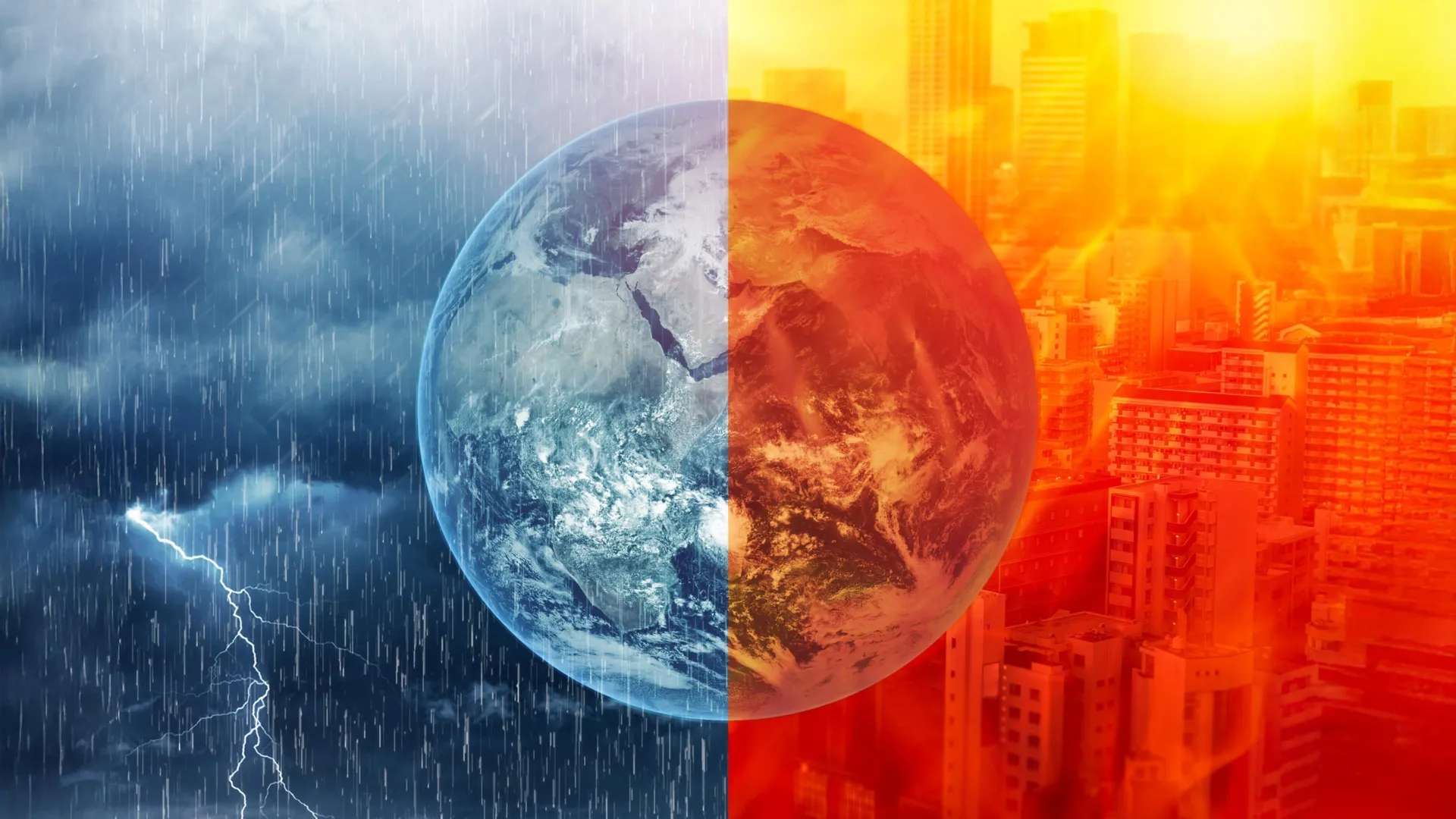
Recent research has unveiled significant connections between extreme weather patterns across the globe, particularly highlighting how the cyclical phenomena of El Niño and La Niña play a crucial role in synchronizing floods and droughts. This groundbreaking study, which utilized satellite data to monitor Earth's water distribution, has illustrated that these climatic oscillations can cause disparate regions of the world to experience unusually wet or dry conditions simultaneously. For instance, while one area may be inundated with heavy rainfall, another may be grappling with severe drought, showcasing the interconnected nature of our planet's climate systems.
The phenomena of El Niño and La Niña arise from variations in ocean temperatures in the Pacific Ocean, which can significantly influence weather patterns worldwide. El Niño is characterized by warmer ocean temperatures, while La Niña is marked by cooler sea surface temperatures. These shifts can disrupt typical weather patterns, often leading to extreme weather events. The latest findings indicate that as these climate cycles intensify, the global pattern of water crises is becoming increasingly synchronized, resulting in a worrying trend where regions far apart from each other can be simultaneously affected by extreme weather conditions. This finding underscores the complexity of climate systems and calls for a more integrated approach to understanding and addressing climate-related challenges.
One of the most striking revelations from the research is the shift observed over the past decade, where dry extremes have become more prevalent than wet ones. This alarming trend can have severe implications for agricultural practices, water supply, and overall ecosystem health. As droughts become more common, regions that rely on consistent rainfall for their agricultural output face significant risks, potentially leading to food shortages and economic instability. The study’s findings suggest that these changing patterns are not isolated incidents, but rather part of a larger, systemic issue that could redefine how we approach climate resilience and resource management on a global scale.
The global implications of these findings are profound, particularly in light of current climate change scenarios. As global temperatures continue to rise, the frequency and intensity of El Niño and La Niña events may also escalate, leading to even greater extremes in weather patterns. Countries that are already vulnerable to climate impacts may find themselves ill-equipped to handle the dual threats of floods and droughts. This interconnectedness necessitates a holistic understanding of global climate systems and emphasizes the importance of international cooperation in addressing these challenges. Collaborative efforts in research, policy-making, and resource management will be essential in mitigating the impacts of these climate phenomena.
Moreover, the significance of this research extends beyond immediate weather impacts. It highlights the need for comprehensive monitoring and predictive modeling of climate systems to better prepare for future extremes. Enhanced satellite technologies and data analytics can provide valuable insights into the intricate relationships between different climatic phenomena, allowing for improved forecasting and proactive responses. Policymakers, scientists, and communities must work together to harness these insights, ensuring that strategies for climate adaptation and mitigation are informed by the latest scientific understanding of our planet’s dynamic climate systems.
In conclusion, the revelations from this recent study serve as a critical reminder of our planet’s interconnected climate systems. As the intensity of El Niño and La Niña cycles increases, so too does the potential for synchronized water crises across the globe. Addressing these challenges will require not only innovative scientific approaches but also a collective commitment to understanding and protecting the delicate balance of our climate. By fostering collaboration and investing in sustainable practices, societies can better equip themselves to face the dual threats of floods and droughts, ultimately working towards a more resilient future.