New Research Reveals Alarming Climate Extremes Even at 2°C Warming
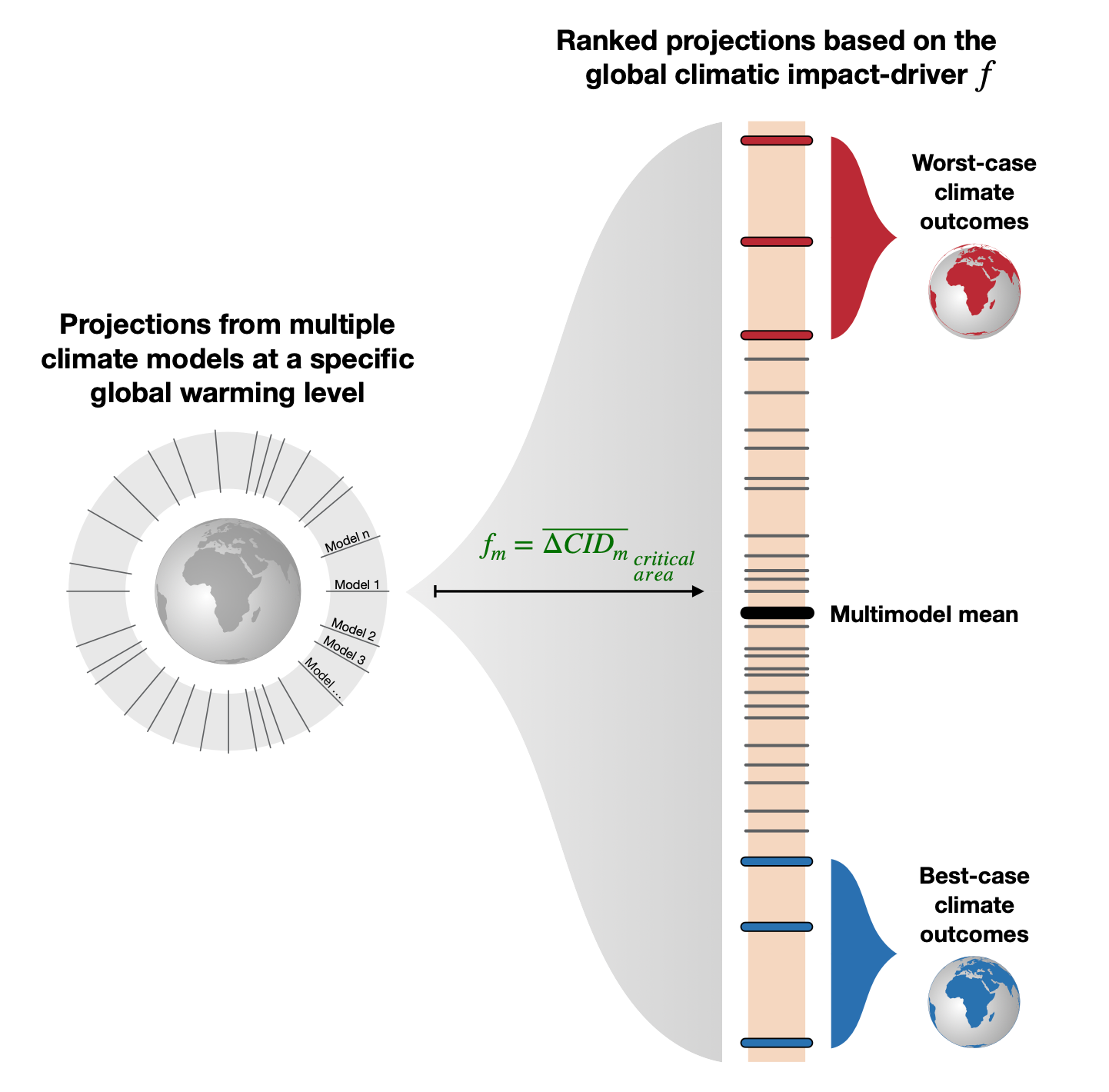
Recent research published in the prestigious journal Nature has unveiled a startling reality regarding global warming. The study indicates that limiting temperature increases to 2°C above pre-industrial levels may not be sufficient to avert extreme climate phenomena. This revelation comes from simulations conducted by a team of scientists who analyzed various climate models to forecast the potential severity of climate extremes, including droughts and floods, under a 2°C warming scenario. The findings emphasize a critical need for policymakers to reconsider the risks associated with even modest warming, as the potential for catastrophic outcomes could be more pronounced than previously understood.
The research highlights that projections of extreme climate events at 2°C often exceed the average predictions for higher temperature scenarios, such as 3°C or 4°C. This counterintuitive finding raises urgent questions about the adequacy of current climate policies and the assumptions underlying risk assessments. As extreme weather events become more frequent and intense, understanding their potential impacts is crucial for effective planning and adaptation. For instance, regions that rely heavily on agriculture may face severe droughts, while densely populated urban areas could experience unprecedented flooding, jeopardizing both food security and public safety.
One of the authors of the study, Professor Erich Fischer, an environmental systems scientist at ETH Zurich, pointed out the importance of considering the full spectrum of climate model outcomes. The study utilized 42 models from the Coupled Model Intercomparison Project 6 (CMIP6), which are widely recognized in the latest Intergovernmental Panel on Climate Change (IPCC) reports. While the multimodel mean provides a simplified message about future climate scenarios, Fischer cautioned that relying solely on this average could obscure the reality of extreme outcomes. In fact, specific regions may experience changes that far exceed global averages, making it imperative for policymakers to account for the worst-case scenarios in their planning efforts.
The analysis identified three critical types of extreme events: rainfall extremes that could lead to flooding in urban centers, concurrent droughts threatening food supply in vital agricultural regions, and fire weather extremes impacting forests worldwide. Each event type was thoroughly examined, and the results were ranked by severity. Alarmingly, the study revealed that the worst-case climate outcomes projected at 2°C often surpassed the multimodel mean predictions for higher temperature scenarios. This stark reality serves as a wake-up call, prompting a reevaluation of what constitutes acceptable levels of warming.
Professor Rowan Sutton, Director of the Met Office Hadley Centre, described the study's findings as 'sobering.' He emphasized the need for a shift in perspective regarding the risks posed by 2°C warming, suggesting that the potential for severe impacts may be significantly underestimated. Current IPCC assessments project that without drastic changes to global carbon emissions, the world could reach the 2°C threshold between 2037 and 2084, with a central estimate around 2052. These projections highlight the urgency of immediate and substantial action to mitigate climate change and its associated risks.
In summary, the research underscores the pressing need for a comprehensive understanding of climate change impacts, particularly in the context of limiting warming to 2°C. As the global community grapples with the realities of climate change, this study serves as a clarion call for policymakers, scientists, and the public alike to recognize that even moderate warming could lead to severe and potentially irreversible consequences. As the urgency to address climate change intensifies, it is essential that we consider not only average projections but also the full range of possibilities, including the most extreme outcomes that could shape our planet's future.