Ocean Predators Feel the Heat: Warm-Blooded Fish Face a Climate Crisis
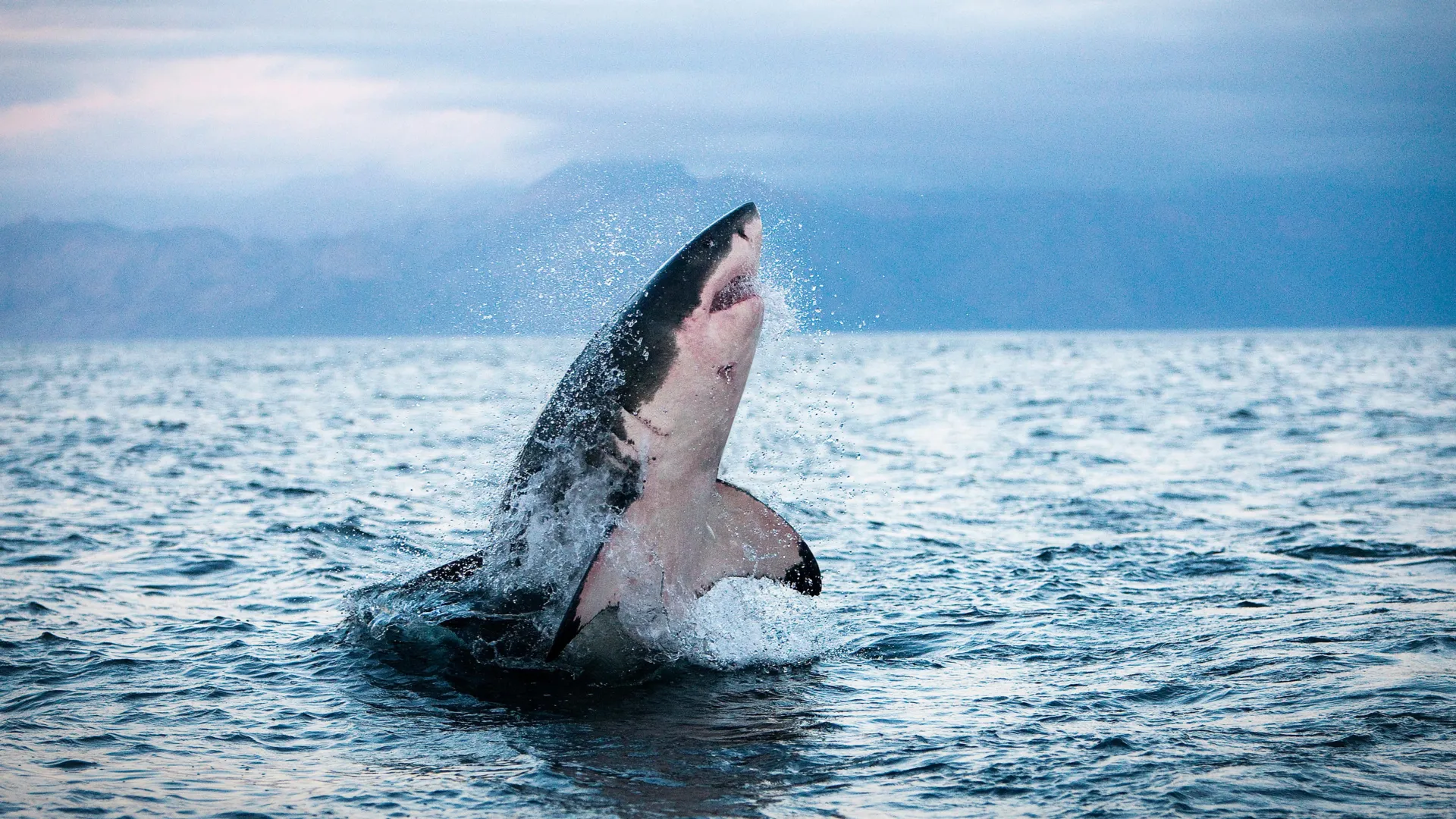
The ocean's most formidable hunters, including great white sharks, bluefin tuna, and other warm-bodied predatory fish, are facing an unexpected crisis as climate change transforms the seas they depend on for survival. New research reveals that these apex predators, long celebrated for their speed, power, and predatory prowess, may be uniquely vulnerable to warming oceans in ways that could reshape entire marine ecosystems. Scientists studying the metabolic demands of warm-bodied marine predators have found they burn energy at rates nearly four times higher than their cold-blooded counterparts, creating a dangerous squeeze as rising temperatures simultaneously increase their energy needs and reduce the food available to meet them. The findings add a troubling new dimension to our understanding of how climate change will reshape ocean ecosystems, with implications that extend from remote pelagic waters to coastal communities that depend on these iconic species.
The physiological strategy that makes these predators so successful also creates their vulnerability. Unlike most fish, which maintain body temperatures matching the surrounding water, species including great whites, makos, and several tuna varieties have evolved the ability to keep their internal temperatures significantly warmer than their environment through a specialized circulatory system called a rete mirabile. This warm-bodied lifestyle, technically known as regional endothermy or mesothermy, provides several important advantages. Warmer muscles generate power more efficiently, allowing these fish to achieve the remarkable bursts of speed they use to catch prey. Warmer nervous systems process information more quickly, enabling faster reactions during hunting. Warmer digestive organs break down food more rapidly, supporting the high metabolic demands of an active predatory lifestyle. These advantages have allowed warm-bodied predators to exploit ecological niches unavailable to their cold-blooded relatives, ranging from polar waters to the open ocean. Evolution has repeatedly favored this strategy, suggesting its benefits outweigh its costs under the climate conditions that prevailed for most of these species' evolutionary history.
However, maintaining a warm body in a cold ocean requires tremendous amounts of energy, a cost that becomes increasingly burdensome as ocean temperatures change. Recent studies using sophisticated tracking technology and metabolic measurements have quantified this energy demand with unprecedented precision. Warm-bodied predators must consume approximately four times as much food as similarly sized cold-blooded fish to sustain their elevated metabolism. This enormous appetite already places these species at the top of the food chain, requiring them to hunt continuously and cover vast distances in search of sufficient prey. Any disruption to their food supply or increase in their metabolic costs can push populations quickly toward crisis, as they have little buffer between their energy needs and the resources available to meet them. Researchers have documented great white sharks traveling thousands of kilometers annually in search of food, while bluefin tuna undertake similarly impressive migrations across entire ocean basins.
Climate change creates what researchers have termed double jeopardy for these predators through two interconnected mechanisms. On one side, rising water temperatures directly increase the metabolic rate of all fish, warm-bodied and cold-blooded alike, as biochemical reactions proceed faster at higher temperatures. For warm-bodied species already operating near their thermal limits, additional warming can push them beyond their ability to dissipate excess heat, creating physiological stress or forcing them to relocate to cooler waters. On the other side, warming oceans are simultaneously reducing the productivity of many marine ecosystems, particularly in the subtropical regions where many of these predators hunt. Phytoplankton production, the base of the marine food web, is declining in warming surface waters, with cascading effects through the food chain that ultimately reach apex predators. Less food combined with higher energy demands creates a mathematical problem with no easy solution. Species that cannot relocate to more productive waters or reduce their energy demands face genuine existential threats that could play out over decades rather than centuries.
The consequences of potential declines in warm-bodied predator populations would extend far beyond the species themselves. Apex predators play essential roles in marine ecosystems by controlling the populations of their prey, preventing any single species from dominating and maintaining the balance that allows diverse communities to thrive. Sharks, for example, help keep populations of mid-level predators in check, which in turn protects the smaller fish and invertebrates these mid-level predators feed on. Tuna serve similar functions while also being critically important economically as one of the most valuable fisheries worldwide. Commercial and recreational fishing industries supporting millions of jobs globally depend on healthy populations of these species. Should their numbers decline significantly due to climate impacts, the ripple effects would include ecological disruption, economic losses, and cultural impacts for coastal communities whose identities are often deeply tied to these iconic fish. Indigenous coastal peoples around the world have cultural and spiritual connections to sharks and other large predators that cannot be easily quantified but represent genuine losses when these species disappear from traditional waters.
Conservation strategies must evolve to address the specific challenges facing warm-bodied predators under climate change. Traditional approaches focused primarily on preventing overfishing remain important but are no longer sufficient on their own. Protecting critical habitats including feeding grounds, nursery areas, and migration routes becomes more complex as these areas shift in response to changing ocean conditions. International cooperation grows more essential as species move across political boundaries in search of suitable temperatures and adequate prey. Reducing other stressors that compound climate impacts, including pollution, vessel strikes, and bycatch in fisheries targeting other species, takes on new urgency. Perhaps most fundamentally, addressing the underlying cause through aggressive reduction of greenhouse gas emissions remains the only long-term strategy that can preserve these remarkable predators for future generations. The decisions made in coming decades will determine whether the ocean's most magnificent hunters continue to patrol the seas or become increasingly scarce as climate change transforms their world. Scientists emphasize that protecting these species requires recognizing them not merely as iconic individual organisms but as essential components of ocean ecosystems whose health affects all of us.