Revolutionary Detection Method Enhances Volcano Eruption Forecasting
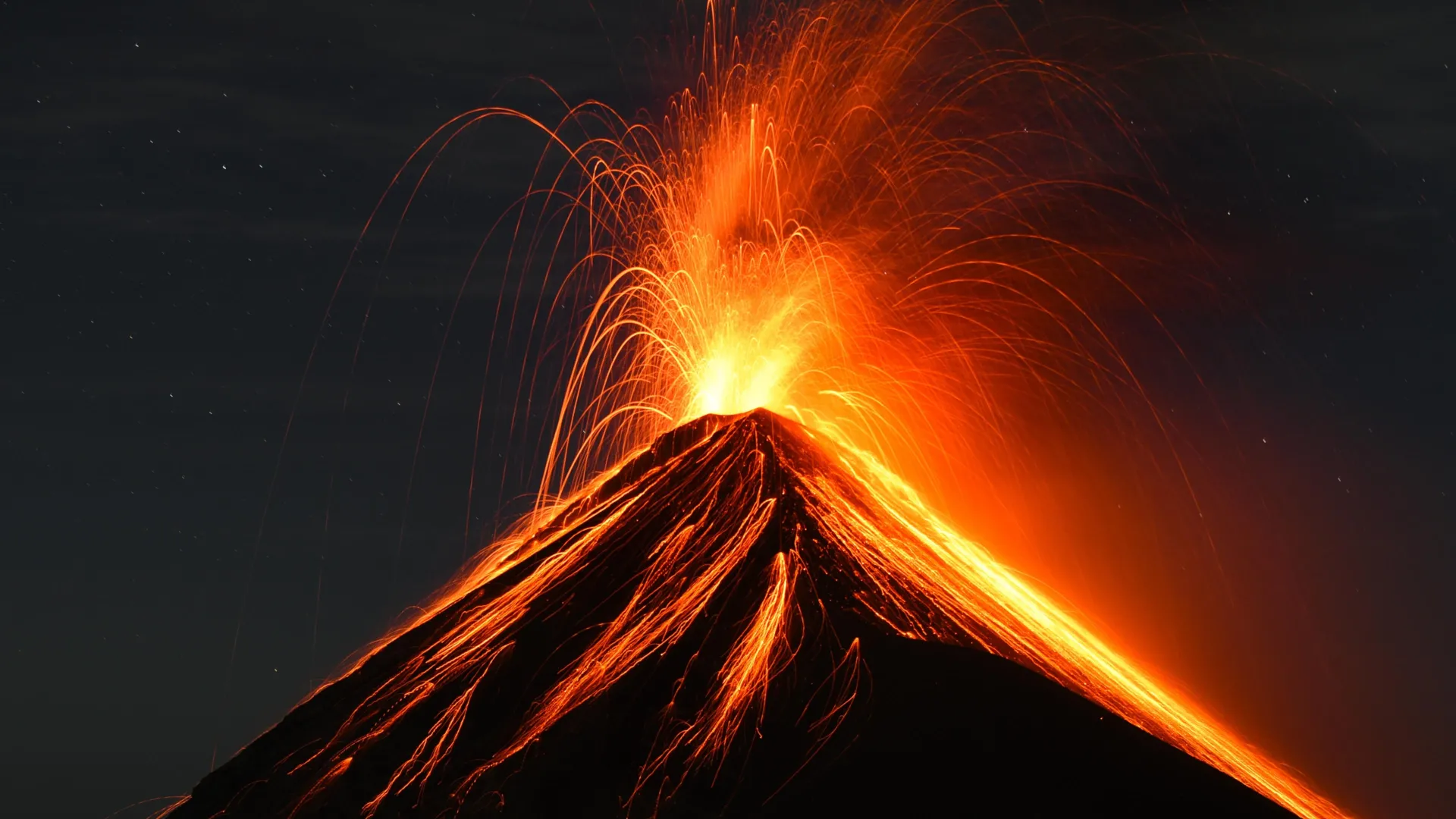
The realm of volcanology is undergoing a significant transformation with the introduction of an innovative detection method known as "Jerk." This advanced technique has the potential to drastically improve the accuracy of volcanic eruption forecasts, a critical development in safeguarding communities living in proximity to active volcanoes. By utilizing a single broadband seismometer, researchers have discovered a way to capture extremely subtle ground movements that are often precursors to volcanic activity. These movements are the result of magma shifting beneath the Earth's surface, providing vital clues that can indicate an impending eruption, sometimes even hours before it occurs.
The technology has been rigorously tested over the past decade at the Piton de la Fournaise volcano located on the French island of La Réunion. This volcano is one of the most active in the world, known for its frequent eruptions and relatively predictable behavior. The efficacy of the Jerk method has been remarkable, successfully predicting 92% of eruptions that took place between 2014 and 2023. In some instances, the system offered warnings as much as eight hours in advance, allowing scientists and local authorities to implement safety measures and evacuations to protect residents and visitors from the dangers of volcanic eruptions.
Understanding the significance of the Jerk detection method requires a grasp of the complexities involved in predicting volcanic activity. Traditional methods of monitoring volcanoes often rely on multiple instruments, including seismometers, gas analyzers, and thermal cameras. While these systems provide valuable information, they can also be cumbersome and may not always detect the subtle signals that precede eruptions. The Jerk method’s use of a single seismometer simplifies the process while enhancing the sensitivity of readings, allowing it to pick up on the faint vibrations associated with the movement of magma.
The implications of improved volcanic forecasting are profound, particularly for regions situated near active volcanoes. Countries with significant volcanic activity often face the dual challenge of monitoring potential eruptions and ensuring public safety. The economic and social costs associated with volcanic disasters can be staggering, affecting not only local communities but also national economies. With the ability to provide early warnings, the Jerk method could minimize disruptions and save lives, offering communities a greater sense of preparedness and resilience in the face of natural disasters.
Volcanic eruptions can occur with little warning, unleashing destructive lava flows, ash clouds, and pyroclastic flows that can devastate landscapes and threaten human life. The ability to accurately predict these events is crucial for disaster management strategies. The integration of the Jerk method into existing monitoring frameworks at volcano observatories worldwide could represent a significant leap forward in this field. As scientists work towards understanding the underlying mechanisms of volcanic activity, tools like Jerk will be invaluable in interpreting the data collected from the Earth's crust.
As research continues, scientists are optimistic about the broader applications of the Jerk detection method beyond just the Piton de la Fournaise. The potential for deploying this system in other high-risk volcanic regions is immense, paving the way for a more proactive approach to volcanic hazard management globally. Ongoing studies will further refine the technology, aiming to enhance its predictive capabilities and reliability. The intersection of technology and volcanology exemplifies how scientific advancements can lead to improved public safety, and the Jerk method stands as a testament to that progress.