Revolutionary Forecasting Techniques Shed Light on Arctic Sea Ice Decline
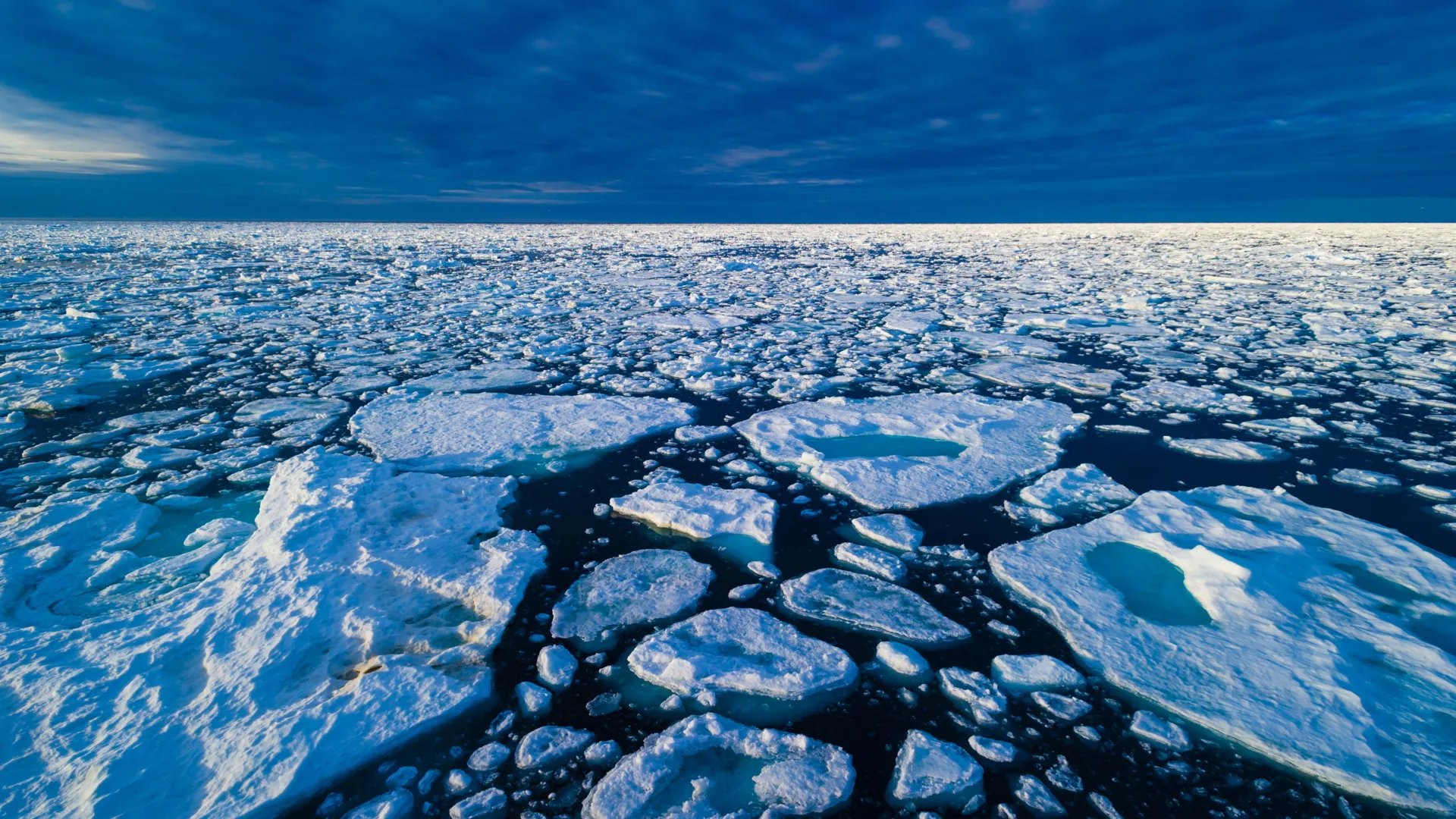
The Arctic region plays a crucial role in regulating the Earth’s climate system, acting as a natural coolant that helps stabilize global temperatures. However, recent observations reveal that Arctic sea ice is vanishing at an unprecedented rate due to ongoing climate change. As the planet continues to warm, the implications of declining sea ice extend beyond the Arctic, influencing weather patterns and ecosystems worldwide. In a bid to better understand and predict these changes, researchers have developed an innovative forecasting model capable of predicting Arctic sea ice levels months in advance, particularly focusing on the critical month of September when ice extent typically reaches its annual minimum.
The significance of this new forecasting model cannot be overstated. Traditional methods of predicting sea ice levels have often relied on historical data and trends, which can struggle to account for the rapid changes driven by climate dynamics. The new approach integrates long-term climate patterns with seasonal cycles and short-term weather events to create a more robust and accurate prediction framework. By analyzing a multitude of variables, including ocean temperatures, atmospheric conditions, and prevailing wind patterns, scientists are gaining critical insights into the future of Arctic sea ice. This enhanced forecasting capability allows for timely warnings and better preparation for the impacts that declining ice levels could have on global climate systems.
September is particularly important in the context of Arctic sea ice because it marks the end of the melting season. During this month, the extent of sea ice reaches its lowest point before the onset of winter refreezing. The dynamics at play during this time are complex, with factors such as warmer ocean temperatures and shifting wind patterns contributing to the rate of ice loss. The new model offers a proactive tool for researchers, enabling them to predict not just the extent of ice but also the conditions leading to its loss. This information is crucial for policymakers, environmentalists, and communities that depend on the stability of Arctic ecosystems and the global climate.
Understanding the implications of diminishing Arctic sea ice is essential for grasping the broader consequences of climate change. The Arctic ice cover reflects sunlight back into space, helping to keep the planet cool. As this ice melts, darker ocean waters are exposed, which absorb more heat and further exacerbate global warming. This feedback loop has far-reaching effects, influencing weather patterns across the globe. For instance, changes in Arctic conditions can alter the jet stream, leading to extreme weather events such as heatwaves, heavy precipitation, and even prolonged cold spells in mid-latitude regions. Therefore, accurate forecasts of sea ice levels are vital not only for the Arctic but for all regions affected by these interconnected climatic changes.
Moreover, the loss of sea ice has dire implications for Arctic wildlife and Indigenous communities that rely on this environment for their livelihoods. Species such as polar bears, seals, and walruses depend on sea ice for hunting and breeding. As their habitats shrink, these animals face significant threats to their survival. Indigenous peoples, who have developed intricate cultural and subsistence practices around the ice, are also experiencing profound shifts that affect their traditional ways of life. The new forecasting model can help inform conservation strategies and adaptation efforts that protect both the fragile Arctic ecosystem and the communities that depend on it.
As the urgency to address climate change intensifies, the development of forecasting models that can provide early warnings about Arctic sea ice loss is a crucial step forward. This research not only enhances our understanding of the current state of Arctic ice but also equips us with the knowledge needed to anticipate future changes. The ability to make accurate predictions allows scientists and decision-makers to better prepare for the consequences of ice loss, facilitating targeted interventions and more effective climate policies. As the Arctic continues to undergo rapid transformations, advanced forecasting methods will play an essential role in safeguarding the planet's climate stability and protecting vulnerable ecosystems and communities.