Revolutionizing Construction: A New Carbon-Capturing Building Material
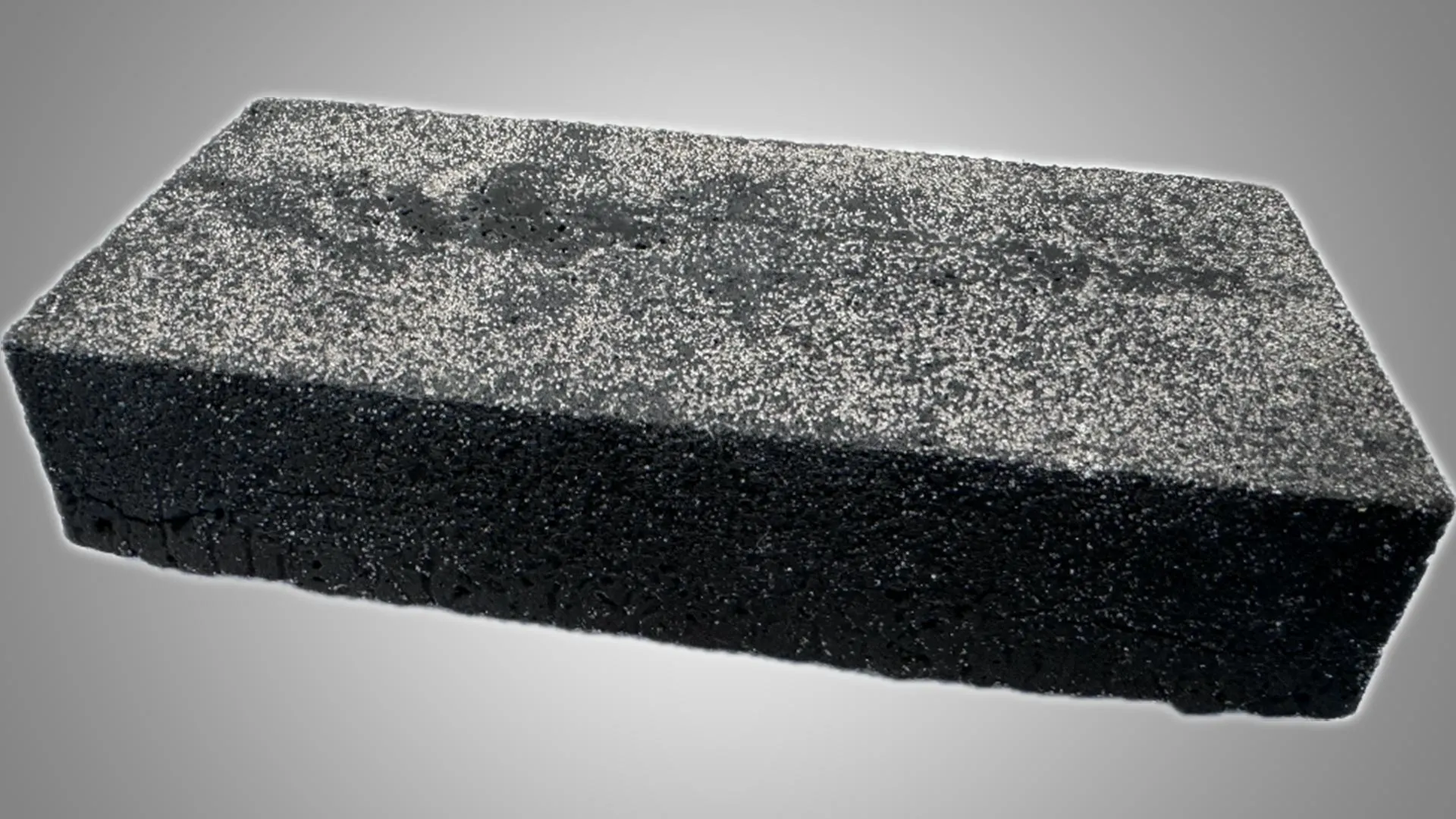
Engineers at Worcester Polytechnic Institute have pioneered an innovative building material that has the potential to drastically alter the landscape of construction and significantly contribute to global carbon reduction efforts. This groundbreaking material is synthesized using a specialized enzyme that facilitates the conversion of carbon dioxide, a major greenhouse gas, into solid minerals. With the ability to cure in just a few hours, this new substance not only sequesters carbon but also presents a more sustainable alternative to traditional construction materials, notably concrete.
The significance of this advancement cannot be overstated. The construction industry is responsible for a sizeable portion of global carbon emissions, with concrete alone accounting for nearly 8% of total emissions worldwide. The traditional methods of producing concrete involve the release of large amounts of carbon dioxide during the chemical reactions that take place when limestone is heated to create clinker, a key ingredient of cement. As the world grapples with the urgent need to address climate change, the introduction of a material that actively captures carbon presents a dual benefit: it can help in reducing the carbon footprint of new buildings while also addressing the existing atmospheric carbon levels.
This new material is not only environmentally friendly but also boasts impressive mechanical properties. It is designed to be strong, durable, and capable of being repaired and recycled. These qualities make it an attractive option for builders and architects seeking sustainable solutions without sacrificing performance. The ease of repair and recyclability further enhances its appeal, as these factors contribute to a circular economy model. By minimizing waste and extending the lifecycle of building materials, this innovation aligns perfectly with global sustainability goals.
Moreover, the rapid curing time of this new material could lead to significant changes in construction timelines and project costs. Traditional concrete can take days to cure fully, which can lead to delays and increased expenses. The ability to achieve a hardened state in a matter of hours not only accelerates project completion but also reduces the associated costs of labor and resource allocation. For developers and contractors, this means that adopting such a material could provide a competitive edge in an increasingly eco-conscious market.
As the building sector begins to embrace more sustainable practices, the implementation of this carbon-capturing material could serve as a catalyst for broader changes across the industry. The potential for widespread adoption is promising, particularly if the initial trials prove successful. Policymakers, investors, and construction companies are increasingly recognizing the need to prioritize sustainable building practices, and innovations like this could play a crucial role in shaping future regulations and standards.
In summary, the development of this new carbon-sequestering building material represents a significant leap forward in the quest for sustainable construction solutions. By transforming carbon dioxide into solid minerals, it not only addresses the pressing issue of carbon emissions but also offers a viable alternative to conventional building materials. As global efforts intensify to combat climate change, this innovation could pave the way for a more sustainable future in construction, ultimately contributing to a healthier planet.