Scientists Discover the Pacific Northwest Is Splitting Apart Deep Below the Ocean Floor
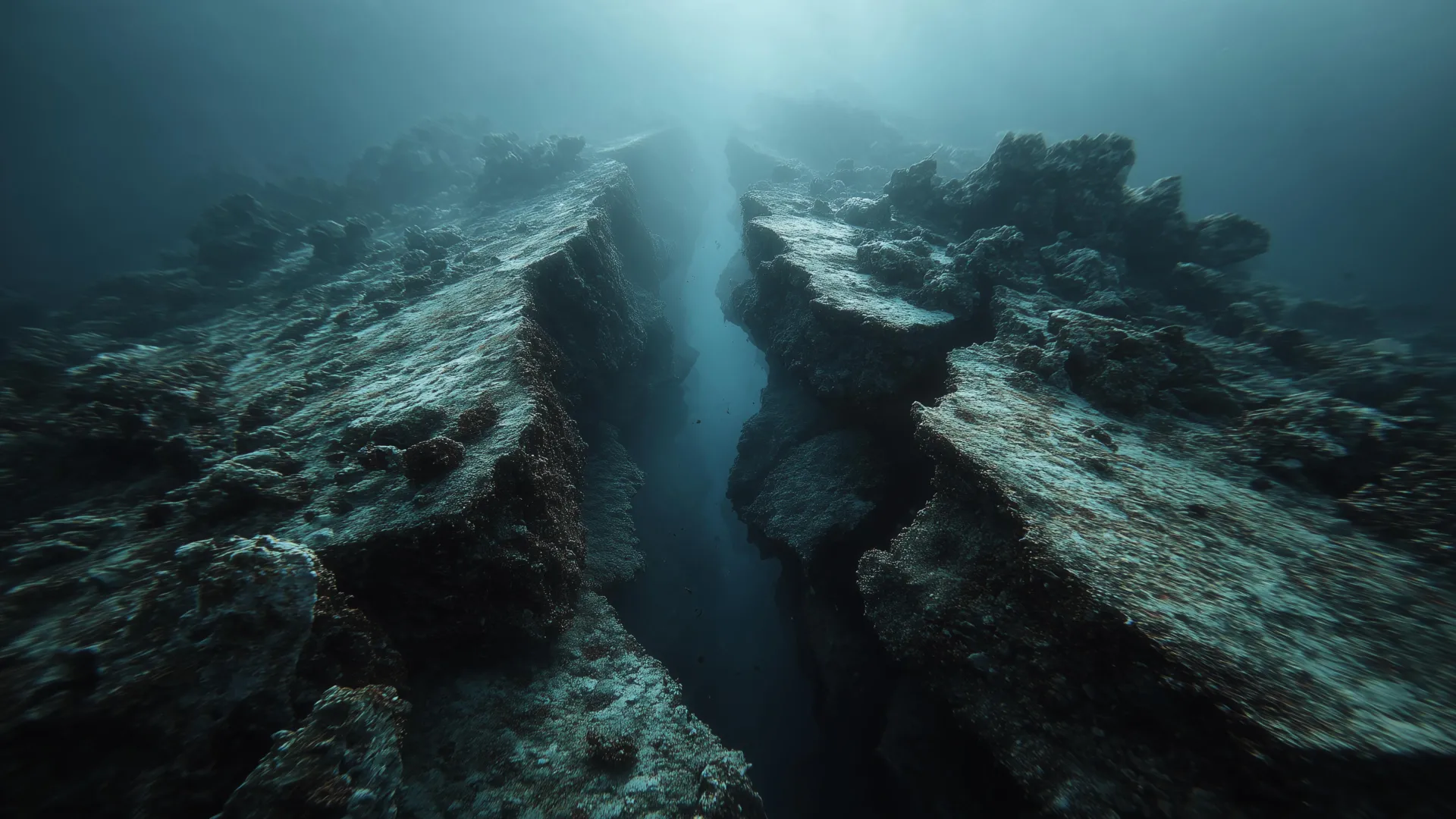
Groundbreaking seismic research has revealed that the Earth beneath the Pacific Northwest is undergoing a dramatic geological transformation. Scientists have, for the first time, directly observed a subduction zone fragmenting in real time, as the Juan de Fuca tectonic plate tears itself apart while sinking beneath the North American continent. The discovery, made possible through advanced seismic imaging techniques, fundamentally changes our understanding of how tectonic plates behave as they descend into the Earth's mantle and could have significant implications for earthquake risk assessment across the region.
The Juan de Fuca plate is a relatively small oceanic plate located off the western coast of North America, stretching from northern California to southern British Columbia. For millions of years, this plate has been slowly sliding beneath the much larger North American plate in a process known as subduction. This process is responsible for the Cascadia Subduction Zone, one of the most seismically active and potentially dangerous fault systems on the planet. The Cascadia zone is capable of producing magnitude 9.0 earthquakes, similar to the devastating 2011 Tohoku earthquake in Japan, and scientists have long studied it to better predict when the next major seismic event might occur.
What makes this new finding so remarkable is the way the plate is breaking apart. Rather than collapsing as a single unified sheet, the Juan de Fuca plate is tearing piece by piece, much like a train slowly derailing from its tracks. Each fragment separates from the main body of the plate as it descends deeper into the mantle, creating a series of distinct pieces rather than one continuous slab. This fragmentation process had been theorized before, but until now, no one had been able to capture it happening in such detail. The research team used a sophisticated network of seismometers deployed across the ocean floor to create three dimensional images of the subducting plate, revealing the tears and fractures with unprecedented clarity.
The implications of this discovery extend well beyond academic geology. Understanding how the Juan de Fuca plate is fragmenting could help scientists refine their models of earthquake behavior along the entire Cascadia Subduction Zone. When a tectonic plate breaks into fragments during subduction, the stress distribution along the fault line changes in complex ways. Some areas may experience increased seismic tension, while others may see a reduction. By mapping exactly where and how these tears are occurring, researchers can develop more accurate predictions about which segments of the fault are most likely to rupture and how much energy a potential earthquake might release.
The research also helps explain a long standing geological puzzle. Scientists have previously discovered ancient plate fragments buried deep within the Earth's mantle beneath various continents, but the mechanism by which these fragments formed was not well understood. This new observation provides a real time example of how such fragments are created, essentially showing the process that has been shaping Earth's deep interior for billions of years. The fragmentation of the Juan de Fuca plate today mirrors what happened to countless other plates throughout geological history, leaving behind the buried remnants that researchers have detected using deep seismic surveys.
Looking forward, this discovery opens new avenues for research into plate tectonics and seismic hazard assessment. The team plans to continue monitoring the Juan de Fuca plate's fragmentation using expanded seismometer arrays, with the goal of tracking how quickly the tears propagate and whether they follow predictable patterns. For the millions of people living in the Pacific Northwest, from Seattle to Portland to Vancouver, this research represents an important step toward better understanding the seismic forces that lie beneath their feet and preparing for the inevitable next major earthquake along the Cascadia fault.