The Enigma of K’gari: Unraveling the Mystery of the Disappearing Lakes
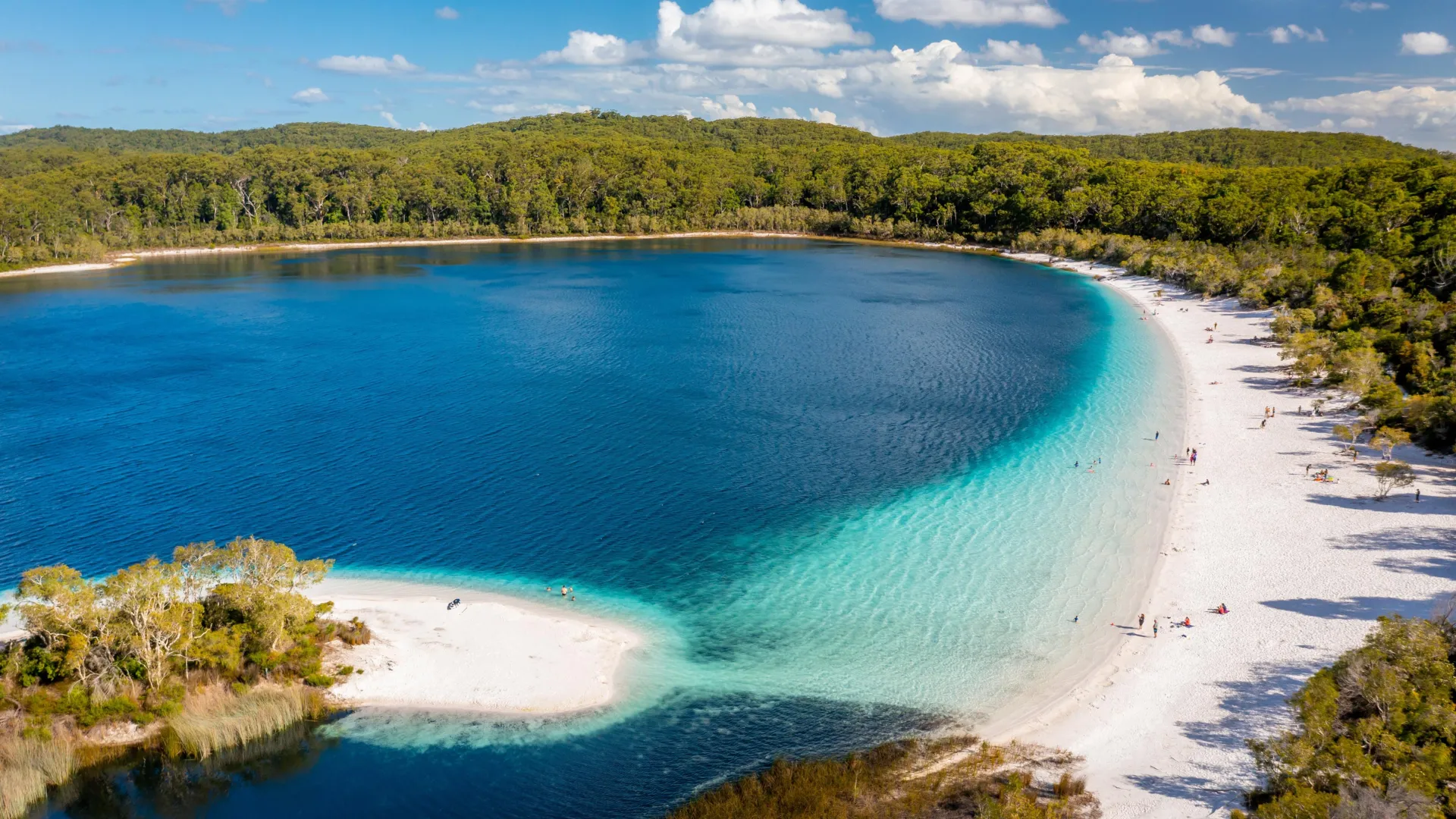
K’gari, also known as Fraser Island, is celebrated for its stunning natural beauty and ecological diversity. This UNESCO World Heritage site is home to the world’s largest sand island lakes, which have captivated researchers and visitors alike for thousands of years. However, a recent study has unveiled a striking aspect of K’gari’s hydrological history. Around 7,500 years ago, during a period characterized by increased rainfall, several of the island's most profound lakes mysteriously dried up. This intriguing phenomenon raises questions about the climatic and geological processes that have shaped the island’s environment over millennia.
Scientists have long marveled at K’gari’s lakes, which include Lake McKenzie and Lake Wabby, both known for their striking blue waters and unique ecosystems. These lakes are not just picturesque; they are vital habitats for numerous species and play a significant role in the island’s hydrology. The newly discovered evidence indicating that these lakes vanished despite an era of high rainfall prompts a deeper investigation into the climate patterns that influenced these changes. Researchers speculate that shifting wind patterns may have redirected rain away from the island, illustrating the complex interplay between local geography and broader climatic systems.
To understand the significance of this finding, it is essential to consider the climatic conditions of the time. The Holocene epoch, which began around 11,700 years ago, has been marked by varying climatic trends. The period around 7,500 years ago was characterized by a global climate that saw increased temperatures and significant changes in precipitation patterns. While many regions experienced wetter conditions, the situation on K’gari suggests that localized climatic phenomena, such as shifts in wind direction and intensity, can profoundly impact regional hydrology. This research highlights the need for a holistic understanding of how climate change interacts with geographical features, as well as the implications for water resources in a warming world.
The implications of this research extend beyond K’gari’s shores. As climate change continues to alter weather patterns globally, the stability of freshwater resources in various regions may be at risk. The findings serve as a cautionary tale about the potential vulnerabilities of ecosystems that depend on consistent rainfall and stable hydrological conditions. For K’gari, the survival of its iconic lakes is now in question, as ongoing climate change threatens to disrupt the delicate balance that has sustained these ecosystems for millennia. This situation underscores the urgent need for conservation efforts that take into account the dynamic nature of climate and its potential impacts on natural resources.
Moreover, the local community and tourism industry heavily depend on the health of K’gari’s lakes. The striking beauty and recreational opportunities offered by these freshwater bodies attract thousands of visitors each year. A decline in the lakes' health could have far-reaching consequences for the local economy and the preservation of cultural heritage tied to the island. Engaging the public in discussions about climate resilience and sustainable practices will be crucial in addressing the potential challenges posed by future climatic shifts.
The study of K’gari’s lakes is not just a scientific inquiry; it is a call to action. By understanding the historical context of these ecosystems and how they have responded to past climate changes, researchers can better predict future trends and develop strategies to mitigate the impacts of climate change. The ongoing challenges faced by K’gari serve as a reminder of the importance of preserving natural heritage and ensuring the sustainability of vital ecosystems in an era of unprecedented environmental change.