The Growing Heat Challenge for Tour de France Competitors: A Looming Crisis
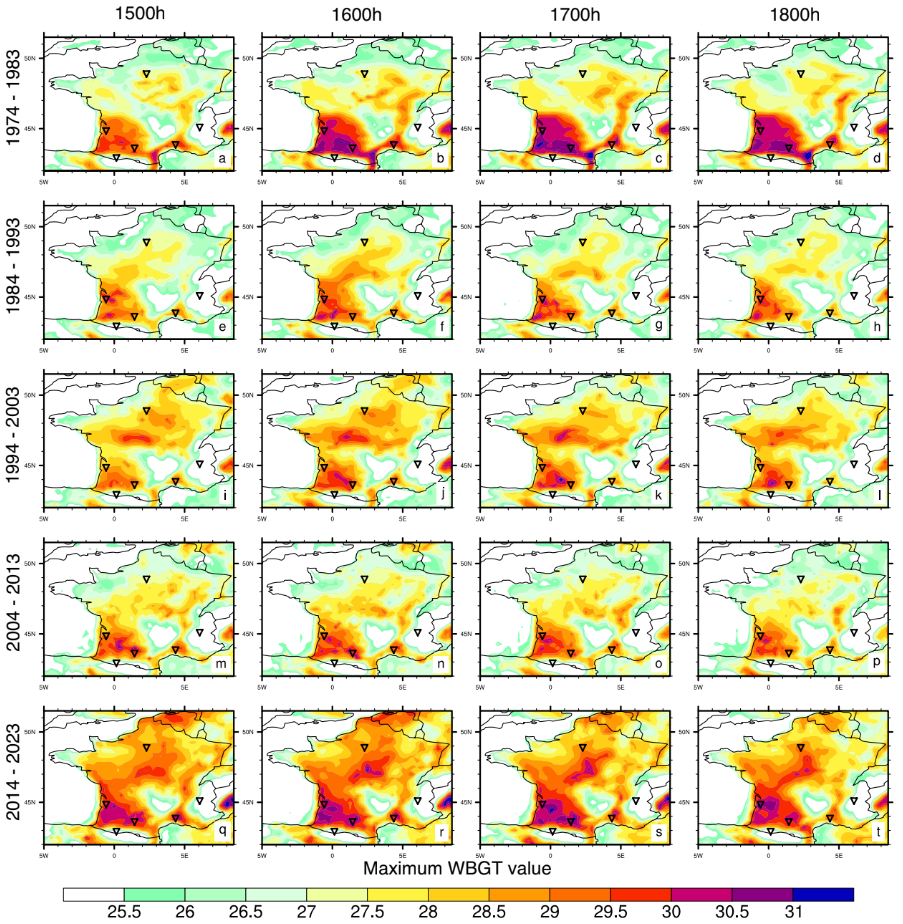
As the iconic Tour de France races through the picturesque landscapes of France, the challenges posed by rising temperatures loom larger than ever. A recent study published in Scientific Reports highlights the increasing heat stress that athletes face during this prestigious event. Researchers analyzed 50 years of climate data to assess the heat risks associated with the Tour de France, revealing that both the severity and frequency of heat events have escalated significantly across the country in recent decades. The findings underscore a pressing concern for cyclists and race organizers as they navigate the intersection of sport and climate change.
The Tour de France, celebrated as one of the most grueling cycling competitions in the world, stretches over approximately 3,500 kilometers and takes place amidst diverse terrains, ranging from flat roads to towering mountain passes. This year, like many before it, the race unfolds primarily in July, a month that has increasingly been marked by scorching temperatures and heatwaves. According to the study's lead author, Dr. Ivana Cvijanovic, a climate scientist at the French National Research Institute for Sustainable Development, the research was conducted specifically on the Tour de France due to its global recognition and the consistency of its scheduling in July, making it an ideal case study for assessing climate impact on athletic performance.
Analyzing six key locations that the Tour frequently visits, Alpe d’Huez, Bordeaux, Col du Tourmalet, Nîmes, Paris, and Toulouse, researchers employed meteorological reanalysis data to calculate the wet-bulb globe temperature (WBGT) across multiple timeframes in July. This index, which factors in temperature, humidity, wind speed, and solar radiation, serves as a vital gauge for heat stress and is recognized by the International Cycling Union as a standard for evaluating competitive conditions. Alarmingly, the study indicates that while the heat-stress threshold has not yet been breached on specific race days, the upward trend in WBGT suggests that it is only a matter of time before this threshold is surpassed.
Historical context reveals that extreme heat has already begun to impact competitors. Incidents from recent years illustrate the physical toll that high temperatures can take. In 2022, French cyclist Alexis Vuillermoz collapsed at the finish line due to the oppressive heat, while British rider Sir Mark Cavendish faced severe discomfort during the race, even vomiting on his bike amid 36-degree Celsius conditions. These incidents are not isolated; they reflect a broader trend of athletes facing increasingly challenging conditions as climate change drives up average temperatures. The implications of this study extend beyond individual health risks; they pose significant questions about the future of the Tour de France and the feasibility of holding such an event in the face of escalating climate challenges.
The findings are particularly striking when examining the rate of increase in WBGT across different regions of France. While northern areas have experienced a moderate rise of 0.1 degrees Celsius per decade, southern and eastern regions have witnessed a surge of over 0.5 degrees Celsius per decade. These regional disparities indicate that as the race traverses various climatic zones, riders will increasingly contend with more severe heat stress, unless mitigative strategies are implemented. The researchers emphasize that the current trend of 'getting lucky' with favorable weather conditions is not sustainable, as the likelihood of extreme heat events becomes more pronounced.
Ultimately, the study serves as a call to action for race organizers, athletes, and policymakers alike. With climate change posing real threats to athlete safety and performance, proactive measures must be considered. Adjustments to race schedules, enhanced hydration protocols, and improved monitoring of weather conditions could become necessary to safeguard the well-being of participants. As the Tour de France continues to capture the hearts of cycling enthusiasts around the world, the challenge of climate change must not be ignored. The intersection of sport and climate is a critical frontier that will require concerted effort to ensure both the integrity of the race and the health of its competitors.