The Heat is On: How Rising Temperatures Challenge Honey Bee Survival
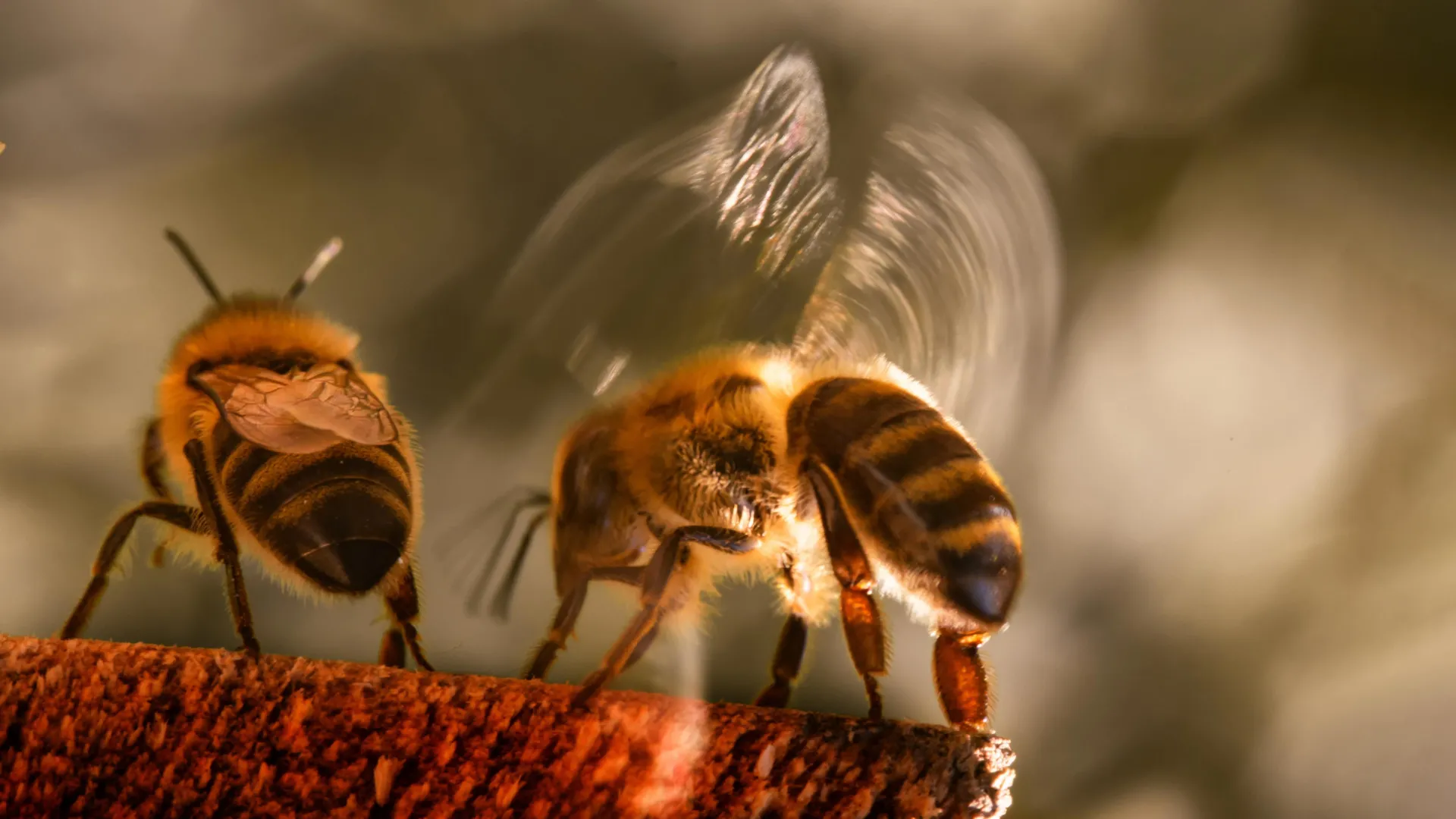
Honey bees, revered for their crucial role in pollination, have long been known for their remarkable ability to maintain a stable internal environment within their hives. This natural climate control is essential not only for their health but also for the productivity of the hive. However, recent findings from research conducted during an intensely hot summer in Arizona reveal that extreme heat is compromising this delicate balance. As global temperatures continue to rise, the implications for honey bee populations and, consequently, agricultural ecosystems are alarming.
The study observed that during periods of extreme heat, the bees struggled to regulate their hive temperatures effectively. Researchers noted significant fluctuations inside the hives, which can be detrimental to the colony's health. Honey bees typically rely on a combination of evaporative cooling techniques and the collective efforts of worker bees to maintain an optimal temperature range, usually around 95 degrees Fahrenheit (35 degrees Celsius). However, when outside temperatures soared beyond the usual summer highs, especially in arid regions like Arizona, even the most industrious bees found themselves overwhelmed.
Smaller colonies were identified as particularly vulnerable to these temperature spikes. These hives, often comprising fewer bees, have a reduced capacity to generate the necessary cooling effect. As the temperature fluctuated drastically, many of these smaller populations faced dire consequences, leading to noticeable declines in colony numbers. This is particularly concerning given the current trends in bee populations, which have already been facing threats from habitat loss, pesticide exposure, and disease. The added stress from extreme heat could exacerbate these existing challenges, pushing some colonies closer to collapse.
The significance of this research extends far beyond the immediate fate of honey bees. These insects play a vital role in the pollination of many crops, contributing to approximately one-third of the food that humans consume. A decline in honey bee populations could lead to reduced yields of fruits, vegetables, and nuts, which would subsequently impact food supply chains and prices. The cascading effects on agriculture may also have broader economic implications, particularly for farmers who depend heavily on these pollinators.
Understanding how climate change is influencing honey bee physiology and behavior is crucial for developing effective conservation strategies. As global temperatures are projected to rise, heat waves are expected to become more frequent and severe. This presents a pressing need for research that explores adaptive measures for beekeeping practices. Potential solutions may include providing shaded environments for hives, using water sources to help with cooling, and selecting heat-resistant bee breeds.
The plight of honey bees serves as a microcosm of the larger environmental challenges posed by climate change. The intricate balance within ecosystems is fragile, and disruptions to one species can reverberate throughout the entire food web. As we continue to grapple with the realities of a warming planet, prioritizing the health of honey bee populations is not merely about preserving an iconic insect; it is about safeguarding our agricultural systems and ensuring food security for future generations.